How to Prune Rocky Mountain Bristlecone Pine?
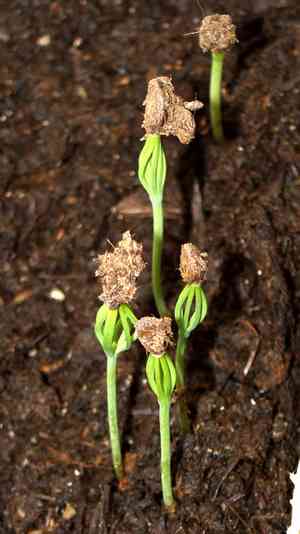
Renowned for its enduring nature and hardiness in elevated terrains, the Rocky Mountain Bristlecone Pine stands as a robust fixture of harsh environments. Trimming practices ought to concentrate on excising deceased or ailing branches, and sculpting for structural soundness. The dormant period of winter presents the ideal time for pruning, lessening the potential for sap leakage and pest infestations. Strategic pruning can improve air circulation and light exposure, vital for its well-being and strength. Exercising caution to prevent over-trimming safeguards its distinctive twisted form, essential for the Rocky Mountain Bristlecone Pine's continued existence and visual appeal.
What Are the Benefits of Pruning Rocky Mountain Bristlecone Pine?
What Are the Benefits of Pruning Rocky Mountain Bristlecone Pine?
Trimming rocky Mountain Bristlecone Pine promotes robust development and maintains its form, thereby boosting the tree's overall vitality and visual appeal, which is particularly crucial for preserving the distinctively twisted and wind-swept look this species is known for.
What Is the Best Time for Pruning Rocky Mountain Bristlecone Pine?
What Is the Best Time for Pruning Rocky Mountain Bristlecone Pine?
Pruning rocky Mountain Bristlecone Pine in late winter to early spring is optimal since the tree is still inactive, reducing sap loss and disease transmission. It aids in removing dead or damaged limbs without disrupting the treeâs natural growth cycle. This timing also allows rocky Mountain Bristlecone Pine to recover from cuts before its active growth period in spring and summer, leading to a healthier, more resilient plant.
What Tools Do I Need to Prune Rocky Mountain Bristlecone Pine?
Hand Pruners
Perfect for snipping young, tender branches and fostering healthy development.
Loppers
Suitable for branches too thick for hand pruners, ensuring clean cuts without harming rocky Mountain Bristlecone Pine.
Pruning Saw
Essential for removing larger branches, offering precision in tight spots without damaging rocky Mountain Bristlecone Pine.
Pole Pruner
Allows safe access to higher branches from the ground, minimizing stress to rocky Mountain Bristlecone Pine.
Shears
For shaping the canopy or uniformly thinning needles, preserving the aesthetic quality of rocky Mountain Bristlecone Pine.
How to Prune Rocky Mountain Bristlecone Pine
Clean Tools
Start by sanitizing pruning tools with a solution of one part bleach to nine parts water to prevent disease spread during trimming.
Identify
Examine rocky Mountain Bristlecone Pine closely to find dead or diseased branches. Dead branches typically appear dry, brittle, and lack green needles, while diseased limbs may show discoloration, unusual growths, or visible infection signs.
Cut Diseased
Use sharp, clean pruning shears or a saw to remove diseased branches first. Cut well beyond the diseased area into healthy wood, ensuring no diseased parts remain. If the entire branch is affected, cut it back to the branch collar, being careful not to damage it.
Cut Dead
Next, prune dead branches. Cut back to a point just above the branch collar, making sure not to leave stubs which could lead to decay and further disease.
Disposal
Dispose of the removed dead and diseased branch material away from rocky Mountain Bristlecone Pine and other healthy plants to prevent the spread of any potential pathogens.
Common Pruning Mistakes with Rocky Mountain Bristlecone Pine
Over Pruning
Removing too much foliage from rocky Mountain Bristlecone Pine at once can stress the tree, potentially leading to poor growth or increased susceptibility to diseases and pests.
Improper Cut Location
Rocky Mountain Bristlecone Pine requires specific cutting techniques. Making cuts too close to the trunk can damage the collar, while leaving too long a stub can hinder proper healing and invite disease.
Flush Cutting
Cutting branches flush against the trunk of rocky Mountain Bristlecone Pine can lead to damage of the bark and the critical branch collar, resulting in poor healing and potential disease entry.
Pruning Healthy Growth
Removing branches that are healthy and contributing to the structural integrity of rocky Mountain Bristlecone Pine can weaken its overall stature and growth habit.
Ignoring Dead Or Diseased Branches
Failing to remove dead or diseased branches from rocky Mountain Bristlecone Pine can lead to further decay and spread of disease to healthy parts of the tree.
Using Dull Tools
Cutting rocky Mountain Bristlecone Pine with dull tools can result in jagged cuts that are more susceptible to pest invasion and disease, and can impair the tree's ability to heal properly.
Common Pruning Tips for Rocky Mountain Bristlecone Pine
Sanitation
Always use clean, sharp pruning tools on rocky Mountain Bristlecone Pine to make clean cuts and reduce the risk of spreading diseases between plants.
Selective Pruning
Thin out rocky Mountain Bristlecone Pine selectively, focusing on dead, weak, damaged, or crossing branches to improve light penetration and air circulation within the canopy.
Proper Timing
While not explicitly specifying the season, it's important to note that pruning rocky Mountain Bristlecone Pine should coincide with periods of dormancy and avoid active growth phases to ensure minimal stress.
Cutting Technique
Make cuts on rocky Mountain Bristlecone Pine at a slight angle, above a bud or branch node, to encourage proper water runoff and promote healing.
Branch Collar
When removing larger branches from rocky Mountain Bristlecone Pine, take care to cut just outside the branch collar without damaging it, as it is essential for the healing process of rocky Mountain Bristlecone Pine.
Step Pruning
For larger branches of rocky Mountain Bristlecone Pine, use the three-cut methodâmaking a notch on the bottom of the branch, an overcut further out, and then a final cut at the branch collarâto prevent bark stripping.
Consider Tree Shaping
Pruning of rocky Mountain Bristlecone Pine should maintain the natural shape of the tree, avoiding excessive topping or shaping that can lead to weak structure and reduced health.
Wound Dressing
Generally, avoid using wound dressings or sealants on rocky Mountain Bristlecone Pine, as they can inhibit natural healing and may even trap moisture and diseases.



