How to Prune Spruce pine?
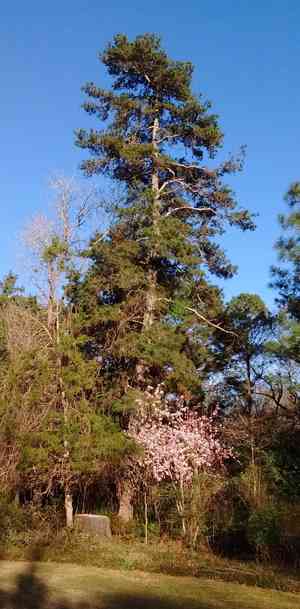
A conifer indigenous to the Southeastern United States, spruce pine thrives with judicious trimming to preserve its form and vitality. The most favorable period for pruning is during winter dormancy, which minimizes sap leakage and the potential for disease. Begin by excising any deceased or fractured limbs, then reduce crowded sections to improve light penetration and air circulation. Restrict pruning to a maximum of one-third of the tree's crown to prevent undue strain. Consistent trimming guarantees a robust framework and elevates its visual charm.
Advantages of Trimming Spruce Pine
Advantages of Trimming Spruce Pine
Trimming spruce pine is vital for sustaining its vitality and desired form. Strategic cuts can encourage new, robust growth and maintain a balanced canopy, enhancing both visual appeal and structural soundness.
Optimal Time for Trimming Spruce Pine
Optimal Time for Trimming Spruce Pine
Trimming spruce pine in late winter to early spring, just before the new growth cycle begins, is most advantageous. This timing prevents the removal of new spring growth, which is crucial for the plantâs health and vigor. Furthermore, pruning during this period allows for clear visibility of the plantâs structure due to the absence of leaves. It also reduces the risk of spruce pine contracting diseases, as many pathogens are less active in colder temperatures. Additionally, trimming before the spring growth spurt enables the plant to heal pruning wounds more effectively, lessening stress and improving the plant's overall growth and shape.
Required Tools for Trimming Spruce Pine
Hand Pruners
Perfect for making precise cuts on spruce pine' smaller branches, typically up to 1 inch in diameter. They ensure clean cuts without harming the surrounding bark, which is essential for the plant's well-being.
Loppers
Useful for cutting branches between 1 and 2 inches in diameter. The extended handles provide leverage, making pruning easier for spruce pine, especially for hard-to-reach branches.
Pruning Saw
Essential for cutting branches exceeding 2 inches in diameter. The saw enables accurate cuts on spruce pine' thicker branches without causing undue stress to the plant.
Pole Pruner
Beneficial for reaching higher branches on spruce pine without needing a ladder. The pole offers extended reach, and the cutting mechanism can handle small to medium-sized limbs.
How to Trim Spruce Pine
Sanitize tools
Before starting the trimming process, clean and disinfect all pruning tools to prevent the spread of disease to spruce pine.
Identify
Examine spruce pine closely to pinpoint dead or diseased branches, which may appear discolored, shriveled, or show signs of fungal growth.
Cut dead branches
Using sharp pruning shears or a saw, cut dead branches where they meet the trunk or another healthy branch. Make the cut just outside the branch collar, the slightly raised bark area, to encourage proper healing.
Remove diseased branches
Carefully remove any diseased branches from spruce pine. If the entire branch isn't affected, prune the branch back to a healthy section, ensuring cuts are made at a downward angle to prevent water accumulation.
Clean up
After trimming, dispose of dead and diseased branches properly, and do not add them to compost to avoid contamination. Clean the tools again after finishing to maintain the tools and the health of spruce pine.
Common Trimming Errors with Spruce Pine
Excessive pruning
Removing too much foliage can stress spruce pine and hinder its growth.
Flush cuts
Making cuts flush against the trunk can harm spruce pine, as it removes the branch collar, leading to improper healing.
Wound dressing
Applying wound dressings is unnecessary and potentially detrimental, as it can trap moisture and lead to decay in spruce pine.
Random cuts
Trimming without a clear strategy or pattern can result in uneven growth and an aesthetically unpleasing shape for spruce pine.
Ignoring health issues
Failing to remove diseased or damaged branches can lead to further health problems in spruce pine.
Neglecting tools
Using dull or dirty pruning tools can damage branches and increase susceptibility to diseases in spruce pine.
General Trimming Advice for Spruce Pine
Hygiene
Regularly disinfect pruning tools to prevent spreading diseases to or between spruce pine individuals.
Sharp tools
Use sharp tools to make clean cuts, which heal more quickly and reduce stress on spruce pine.
Branch collar
Cut just outside the branch collar to protect spruce pine's natural healing process and prevent damage to the trunk.
Damaged limbs
Focus on removing dead or damaged branches to maintain the health and appearance of spruce pine.
Selective thinning
Thin out crowded areas to improve air circulation and light penetration, which promotes healthy growth in spruce pine.
Correct angle
Prune branches at an angle, allowing water to run off and reduce the risk of disease in spruce pine.



