How to Prune Korean pine?
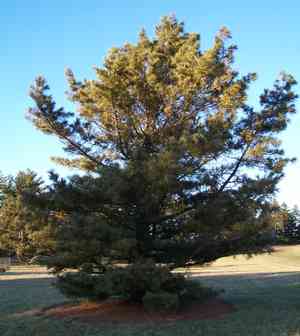
Celebrated for its impressive height and nourishing seeds, korean pine greatly profits from trimming. Effective pruning entails eliminating deceased or ailing limbs, sculpting for visual or structural objectives, and reducing density to boost light access and air circulation. The most suitable time for pruning is during the winter dormancy, which lessens sap leakage and strain. For korean pine specifically, this upkeep can boost seed yield, foster robust development, and preserve the intended shape, guaranteeing both vigor and attractiveness.
Advantages of Trimming Korean Pine
Advantages of Trimming Korean Pine
Trimming korean pine promotes robust development and maintains its desired form. Regular cutting eliminates dead or weak limbs, fostering a stronger structure and healthier growth.
Optimal Time for Pruning Korean Pine
Optimal Time for Pruning Korean Pine
Pruning korean pine in late winter, just before the spring growth cycle begins, is ideal. This minimizes stress on the plant and reduces infection risk. This period aligns with the plant's dormant phase when sap flow is slow, making cuts less prone to bleeding. It also allows gardeners to easily spot and remove damaged or diseased branches before new growth emerges. Furthermore, trimming at this time can help shape korean pine's growth for the upcoming season without disrupting its natural flowering or fruiting cycles. Late winter pruning avoids cutting off new buds crucial for korean pine cone production, as korean pine is primarily valued for its seeds found in the cones. It's vital to prune after the danger of frost has passed to prevent cold damage at the pruning sites.
Essential Tools for Pruning Korean Pine
Hand Pruners
Perfect for removing dead or small branches on korean pine. They ensure clean cuts without harming the surrounding bark and are suitable for branches up to 3/4 inch thick.
Loppers
Useful for cutting branches between 3/4 inch and 1 1/2 inches in diameter. Loppers offer greater leverage and reach than hand pruners, making them suitable for korean pine's thicker, slightly out-of-reach branches.
Pruning Saws
Handheld pruning saws come in various blade lengths and are necessary for precise cuts on branches over 1 1/2 inches in diameter. These saws can handle the larger limbs of korean pine without causing undue strain on the plant.
Pole Pruners
For high, inaccessible branches, pole pruners provide extended reach. This is crucial for korean pine, as it can grow into a very tall tree, and maintaining its desired shape and height may involve cutting higher branches.
Hedge Shears
Though not frequently used on korean pine, hedge shears can be employed for shaping hedges or for more artistic topiary work if korean pine is maintained in a formal garden setting. They are primarily used for trimming and shaping rather than structural pruning.
How to Prune Korean Pine
Identification
Examine korean pine for dead or diseased branches, which may appear discolored, dry, or lacking needles compared to healthy ones.
Sterilization
Before pruning korean pine, sanitize cutting tools with a solution of one part bleach to nine parts water to prevent disease spread.
Pruning Dead
Using sharp shears or a saw, remove dead branches by cutting at their base where they connect to the main trunk or a healthy branch, making clean cuts without tearing the bark.
Pruning Diseased
Trim back diseased branches on korean pine to at least several inches into healthy tissue to ensure all diseased material is removed; sterilize tools again after cutting diseased wood.
Wound Dressing
Apply a wound dressing or sealant to large cuts on korean pine to protect against insects and decay fungi until the tree can naturally seal the wound.
Common Pruning Errors with Korean Pine
Excessive Pruning
One of the most significant mistakes is removing too much foliage, which can stress korean pine and make it more vulnerable to disease or weather damage.
Incorrect Cuts
Making cuts that are either too close to the trunk or leaving too large of a stub can lead to improper healing and potential entry points for pests or disease.
Topping
Cutting off the top of the tree, or topping, can ruin korean pine's natural shape and result in weak growth and poor health.
Premature Removal of Lower Branches
Stripping the lower branches on a young korean pine can hinder its development as these branches support growth in its early years.
Shearing
Using shears to shape korean pine, as one might with a hedge plant, can eliminate its natural form and diminish the tree's overall aesthetic and health.
Overly Frequent Pruning
Pruning korean pine too often can lead to constant stress on the tree and reduced vigor.
General Pruning Advice for Korean Pine
Selective Pruning
Aim to gently thin out crowded areas to improve air circulation and light penetration, which can support healthier growth.
Proper Cut Technique
Make cuts at a slight angle, away from the bud or branch collar, to promote healing and prevent water accumulation that can lead to rot.
Analyze Before Cutting
Assess the structure of korean pine prior to pruning to identify any dead, damaged, or diseased branches for removal.
Maintain Natural Shape
Respect the conical shape of korean pine by making cuts that maintain or enhance its natural form rather than altering it drastically.
Tools Care
Ensure pruning tools are sharp and sanitized to make clean cuts and reduce the risk of spreading disease from one cut to another.
Final Check
After pruning, step back and review the tree to check for balance and to ensure that no damaged or diseased branches remain.



