How to Prune Mugo pine?
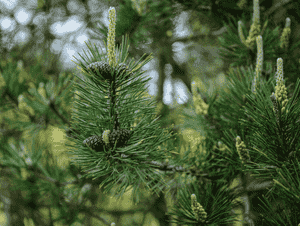
The mugo pine, a robust, evergreen shrub recognized for its compact, pyramidal structure, is perfectly suited for creating short hedges or as a ground-covering plant. Trim it to control its dimensions and shape, eliminating any lifeless or impaired branches. The most effective time for pruning is in late winter, as this fosters robust development in the spring. Removing older stalks enhances air movement, thereby boosting vitality and lowering the chances of illness. Furthermore, pruning encourages more abundant foliage, which is a key element of this plant's visual charm.
What Are the Benefits of Pruning Mugo Pine?
What Are the Benefits of Pruning Mugo Pine?
Trimming mugo pine encourages robust development and maintains its intended form. Eliminating dead or congested branches enhances air circulation, lowering disease risk and fostering new, vigorous growth. Regular trimming keeps mugo pine dense and well-proportioned, particularly crucial for this slow-growing species.
What Is the Best Time for Pruning Mugo Pine?
What Is the Best Time for Pruning Mugo Pine?
Pruning mugo pine during winter is ideal because the plant is dormant. This timing prevents sap loss, which can be more substantial if pruning occurs during the active growth seasons of spring and summer. Winter pruning also minimizes the chance of disease infection, as many pathogens are less active in the cold. Furthermore, the visible structure without foliage allows for clearer sight of the plant's shape, enabling more precise and deliberate cuts. Pruning at this time ensures minimal disruption to the plant's growth cycle and promotes strong spring growth.
What Tools Do I Need to Prune Mugo Pine?
Hand Pruners
Perfect for making clean cuts on mugo pine branches up to 3/4 inches in diameter.
Loppers
Suitable for cutting thicker branches, typically up to 1 1/2 inches in diameter, allowing access into the plant without harming its structure.
Pruning Saw
Essential for cutting branches exceeding 1 1/2 inches in thickness, where hand pruners and loppers are ineffective.
Hedge Shears
Useful for shaping mugo pine when minor trimming is required; not appropriate for larger branches.
How to Prune Mugo Pine
Step1: Assessment for Pruning Time and Parts
Start with dead branches. Using clean and sharp pruning tools, cut the dead branches where they meet healthy wood. Make the cut just outside the branch collar to avoid damaging the main stem.
Step2: Dead Branch Removal Technique
Inspect mugo pine for dwarf candles, which are the new shoots that emerge in spring. To maintain the shape and density, pinch or cut back half of the length of these candles in late spring before they harden (usually by mid-June).
Step3: Dwarf Candle Reduction Methods
Identify diseased wood by discoloration, unusual growths, or the presence of pests. Prune these branches back to healthy tissue. If the disease is widespread, disinfect your pruning tools with a solution of 1 part bleach to 9 parts water after each cut to prevent spreading.
Step4: Diseased Wood Identification and Removal
After removing dead and diseased wood, step back to assess the shape of mugo pine. If additional shaping is needed, selectively trim back branches to maintain a natural, mounded form, ensuring not to cut back too far as pines do not typically sprout new growth from old wood.
Step5: Shaping and Natural Form Maintenance
Clean up all cuttings and debris from around mugo pine to prevent the spread of disease and pests.
Step6: Cleanup to Prevent Disease and Pests
Water mugo pine thoroughly after pruning to help reduce stress on the plant. Avoid fertilizing immediately after pruning as this can encourage excessive growth that the recent pruning was meant to curb.
Step7: Post-Pruning Watering Practice
Monitor mugo pine for signs of stress or disease after pruning and provide care as needed. Remember that mugo pine generally requires minimal pruning and doing too much can be harmful to the plant's health.
Post-Pruning Care for Mugo Pine
Post-Pruning Care for Mugo Pine
After pruning mugo pine, ensure immediate clean cuts to prevent disease. Place mugo pine in partial shade to reduce stress, maintaining moderate humidity and cool temperatures. Avoid immediate fertilization; allow wounds to heal before applying balanced nutrients. Regularly inspect for discoloration or resin flow indicating stress or infection. Increase watering slightly to support recovery, but avoid waterlogging. Adjust care based on seasonal needs, promoting a conducive environment for vigorous growth.
Common Pruning Mistakes with Mugo Pine
Overzealous Pruning Reduces Photosynthesis
Excessive pruning can weaken mugo pine by removing too much foliage, thereby diminishing the plant's capacity for photosynthesis.
Avoid Pruning into Needleless Old Wood
Cutting into old wood lacking needles or leaves can result in areas that won't regrow, leaving mugo pine looking sparse and misshapen.
Late Season Tip Pruning Promotes Weak Growth
Trimming the tips of new growth too late in the season can stimulate undesirable growth that won't harden off before winter.
Prune with Objective to Enhance Plant Shape
Pruning without a clear goal, such as maintaining mugo pine's natural shape, removing damaged branches, or controlling its size, may lead to unnecessary cuts and a less attractive form.
Dull Tools Lead to Disease and Pest Issues
Using dull or dirty tools can cause jagged cuts that are more susceptible to disease and pest infestation, impacting the overall health of mugo pine.
Common Pruning Tips for Mugo Pine
Use Clean, Sharp Tools for Healthy Cuts
Employ clean, sharp tools to make precise cuts on mugo pine, which aids in faster healing and lessens the chance of disease.
Prune New Growth Candles in Spring
When reducing the size or shaping mugo pine, do not cut back to the older, needleless wood. Instead, prune lightly, targeting only the new growth 'candles' in spring before they fully elongate.
Remove Dead or Diseased Branches Regularly
Identify and remove any dead, diseased, or broken branches on mugo pine to help maintain its health and prevent the spread of disease.
Thin Branches for Airflow, Not Shearing
For improved air circulation and light penetration, which are vital for the health of mugo pine, thin out crowded branches rather than shearing the plant into a dense form.
Accentuate Natural Shape with Targeted Pruning
Consider the natural form of mugo pine and prune to accentuate that shape instead of trying to force it into an unnatural form; this preserves its aesthetic and reduces stress on the plant.
Prune for Desired Growth and Plant Balance
Strategically prune mugo pine to encourage new growth in specific areas, if you're trying to fill a gap or balance the shape, by cutting just above a set of healthy needles.
Regularly Assess Shape During Pruning
Always step back and observe mugo pine from different angles throughout the pruning process to ensure you are creating a balanced, desired shape.



