How to Prune Austrian pine?
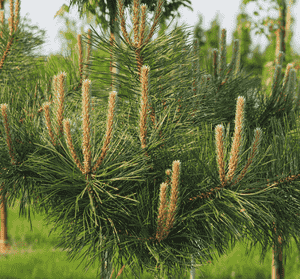
This evergreen conifer is recognized for its thick, deep green leaves and conical structure. For austrian pine, the ideal period for trimming is during its dormant phase in winter. Trimming efforts should concentrate on eliminating deceased or fractured limbs, reducing congested sections to enhance air movement, and preserving its inherent silhouette. Refrain from extensive cutting, as austrian pine tolerates severe reduction poorly. Proper pruning boosts vigor and can avert prevalent ailments particular to austrian pine, safeguarding its aesthetic value.
What Are the Benefits of Pruning Austrian Pine?
What Are the Benefits of Pruning Austrian Pine?
Trimming austrian pine promotes robust development and helps maintain its form, crucial for both appearance and well-being. Eliminating dead or diseased limbs reduces pathogen spread, boosting austrian pine's overall vigor.
What Is the Best Time for Pruning Austrian Pine?
What Is the Best Time for Pruning Austrian Pine?
Late winter is the optimal period for pruning austrian pine as it is typically in a dormant state. During this time, sap flow is minimal, lessening the risk of sap bleeding, which can attract pests and cause illness. Pruning before the spring growth surge allows austrian pine time to recover and direct new growth as desired. Additionally, the absence of leaves makes it easier to observe and evaluate the plant's structure for selective branch removal.
What Tools Do I Need to Prune Austrian Pine?
Hand Pruners
Perfect for severing small branches up to 3/4 inch in diameter, hand pruners ensure precise cuts without harming austrian pine.
Loppers
Featuring long handles and powerful cutting action, loppers are suitable for trimming branches between 3/4 inch and 1 1/2 inches thick.
Pruning Saw
For larger branches exceeding 1 1/2 inches in diameter, a sharp pruning saw provides accurate cuts and allows for control in confined areas.
Pole Pruner
To reach elevated branches without a ladder, a pole pruner is essential. It combines a saw and lopper mechanism to cut through thicker growth.
How to Prune Austrian Pine
Clean Tools
Prior to starting the pruning process, clean and sanitize all pruning shears, saws, and other implements to prevent the transmission of disease to austrian pine.
Inspect Tree
Thoroughly examine austrian pine to identify any dead or diseased branches. These are typically discolored, brittle, or show signs of fungal growth and should be the primary focus of your pruning efforts.
Prune Dead Branches
Using the sterilized pruning tools, carefully remove dead branches from austrian pine by cutting them at their point of origin or back to a healthy lateral branch, making a clean and angled cut to encourage proper healing.
Prune Diseased Branches
When removing diseased branches from austrian pine, cut at least 6 to 12 inches into healthy wood beyond the point of visible infection to ensure the complete elimination of diseased tissue.
Dispose Waste
Discard the removed dead or diseased branches away from healthy plants to prevent any potential spread of disease to austrian pine or other nearby plants.
Common Pruning Mistakes with Austrian Pine
Overpruning
Removing too much foliage at once can stress austrian pine, leading to weakened defenses against pests and diseases.
Flush Cutting
Cutting too close to the trunk when removing branches disrupts austrian pine's natural healing process and leaves the tree susceptible to infections.
Neglecting Tool Sanitation
Using uncleaned pruning tools can introduce pathogens to austrian pine, increasing the risk of disease transmission.
Stripping
Pulling off small branches or 'stripping' causes unnecessary wounds and can damage the bark of austrian pine.
Topping
Severing the top of austrian pine disrupts its natural shape, leads to poor growth patterns, and weakens its structure.
Pruning Without A Plan
Random or excessive cuts can result in uneven growth and a visually unappealing tree, diminishing its health and aesthetic value.
Common Pruning Tips for Austrian Pine
Clean Cuts
Ensure the use of sharp tools to make clean cuts, which help austrian pine heal faster and reduce the chances of disease.
Branch Collar
Cutting just outside the branch collar allows austrian pine to properly seal the wound, promoting quicker healing and minimizing decay.
Selective Thinning
Carefully choose and remove only a few branches to improve air circulation and light penetration throughout austrian pine, fostering a healthier tree.
Remove Dead Or Damaged Limbs
Regularly removing dead or damaged branches helps maintain austrian pine's health and prevents the spread of decay.
Maintain Natural Shape
Respect the natural form of austrian pine when pruning, and aim to enhance it rather than altering it dramatically.
Step Back And Assess
Periodically stepping back to evaluate the tree from a distance ensures that pruning results in a balanced and visually pleasing appearance.



