How to Prune Longleaf pine?
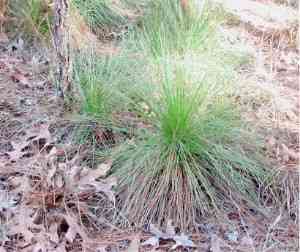
Distinguished by its impressive stature and slender foliage, Pinus palustris thrives with judicious trimming. Eliminate lifeless or ailing branches and reduce the density of the canopy to improve airflow and sunlight exposure. The optimal time for this maintenance is during its dormant winter phase, which reduces sap leakage and deters pest infestations. Trimming this variety can boost the tree's vitality and form, while also mitigating risks from falling branches.
Advantages of Trimming Longleaf Pine
Advantages of Trimming Longleaf Pine
Trimming longleaf pine is crucial for preserving its distinctive shape and fostering vigorous development. Thoughtful branch removal can redirect energy to encourage a strong, upright structure and prevent congestion, ensuring the longleaf pine's vitality and structural soundness.
Optimal Period for Trimming Longleaf Pine
Optimal Period for Trimming Longleaf Pine
Winter is considered the best time for trimming longleaf pine due to several reasons. During this season, longleaf pine is typically in a dormant state, which lessens the strain on the tree and aids in quicker recovery from trimming. The absence of leaves also allows for better visibility of the tree's structure, enabling more precise cuts. Trimming in winter avoids the sap flow period of spring, minimizing the risk of sap loss which can attract pests and diseases. Additionally, cutting during dormancy helps prevent the spread of diseases, as many pathogens are inactive in cold weather. This timing also prevents disruption of new growth and the pine's cyclical processes, thus promoting healthier and more robust growth in the following spring.
Tools Required for Trimming Longleaf Pine
Hand Pruners
For young longleaf pine, hand pruners are perfect for snipping off small, thin branches with diameters of about half an inch or less. They provide a clean cut that helps the plant heal quickly.
Lopping Shears
These are useful for cutting branches that are too thick for hand pruners but not excessively large, typically up to 1.5-2 inches in diameter. The long handles provide leverage to make the task easier.
Pole Pruners
When dealing with taller longleaf pine, pole pruners are essential to reach higher branches safely from the ground. They come in various lengths and can help manage the tree's height and shape without the use of a ladder.
Pruning Saw
For mature longleaf pine with thicker branches that hand pruners and loppers can't handle, a pruning saw is necessary. They can cut through branches several inches thick and are perfect for making clean cuts on larger limbs.
Chainsaw
In professional settings or when managing a large longleaf pine, a chainsaw may be necessary for removing very thick branches and for extensive pruning tasks. Ensure safety precautions are taken when using this powerful tool.
Pruning Sealer
After any cutting on a longleaf pine, itâs important to apply a pruning sealer to the cuts to protect the tree from infections and pests.
How to Trim Longleaf Pine
Step1: Identify Trimming Targets
Identify the parts of longleaf pine that require trimming, including dead wood, diseased limbs, and weak branches. The best time to trim longleaf pine is during its dormant season, which is late winter or early spring before new growth begins.
Step2: Trimming Tool Preparation
Gather the necessary tools for trimming longleaf pine, such as a sharp pair of pruning shears, loppers, and a saw for larger branches. Always sanitize your tools before and after use to prevent the spread of disease.
Step3: Dead Wood Removal
Start by removing any dead wood. Cut dead branches back to the point where they meet healthy wood, but do not cut into the healthy wood. Make the cut just outside the branch collar, the area where the branch connects to the trunk or a larger branch.
Step4: Diseased Limb Excision
Proceed to remove diseased limbs. When cutting out diseased limbs, make the cut several inches into healthy wood to ensure the removal of all infected material. Isolate and dispose of diseased branches properly to prevent contamination.
Step5: Weak Branch Thinning
Identify and remove weak branches that pose a threat to the health and structural integrity of longleaf pine. Weak branches may be those that are damaged, growing at undesirable angles, or are too close to each other causing rubbing or crowding.
Step6: Thinning Cut Technique
When trimming weak branches, use thinning cuts to remove entire branches or limbs to their point of origin. This method helps maintain the natural shape of longleaf pine while allowing light and air to penetrate the canopy.
Step7: Natural Shape Preservation
Avoid topping or cutting back limbs to stubs, as this can cause harm to longleaf pine and promote weak growth. Always maintain the natural form of the tree without over-trimming, which can be stressful and damaging to longleaf pine.
Step8: Post-Trimming Care
After trimming, ensure that the longleaf pine is well cared for by providing adequate water, especially in dry periods, and mulch to conserve soil moisture and temperature. Avoid fertilization immediately after trimming as it can stress longleaf pine.
Step9: Post-Trimming Monitoring
Monitor longleaf pine after trimming for signs of stress or infection. Proper trimming cuts should heal naturally. If there is significant sap flow from cuts or signs of decay, consult a professional arborist.
Post-Trimming Care for Longleaf Pine
Post-Trimming Care for Longleaf Pine
Immediately after trimming longleaf pine, ensure clean cuts to prevent disease entry. Optimize light exposure, maintain mild humidity, and avoid temperature extremes to reduce stress. Apply a balanced fertilizer to replenish nutrients, fostering recovery and growth. Regularly inspect longleaf pine for discoloration or oozing sap as stress indicators; if spotted, consult a plant pathologist. Adherence to these steps promotes longleaf pine's post-trimming health.
Common Trimming Errors with Longleaf Pine
Excessive Trimming Can Stress the Tree
Trimming too much of longleaf pine's crown at once can be detrimental to its health. Removing more than one-quarter of the living crown in a single season can stress the tree.
Incorrect Cutting Can Damage Tree Barriers
Cutting branches flush against the trunk can damage longleaf pine's natural protective barriers, increasing the risk of disease and decay.
Dull Tools Cause Harmful Jagged Cuts
Using dull or dirty trimming tools can cause jagged cuts, harming longleaf pine and facilitating the entry of pests and pathogens.
Unplanned Trimming Disrupts Growth Patterns
Trimming without a clear objective may lead to unnecessary cuts and could disrupt longleaf pine's natural form and growth patterns.
Removing Leader Branch Affects Tree Structure
Removing the leader, or main upward-growing branch, of longleaf pine can hinder its vertical growth and jeopardize the structural integrity.
Common Trimming Tips for Longleaf Pine
Clean Angle Cuts Prevent Rot
Ensure trimming cuts are clean and made at a slight angle, away from the bud, to promote proper healing and prevent water accumulation that can lead to rot.
Sharp Sterilized Tools Minimize Disease Spread
Use sharp and sterilized trimming tools to make precise cuts and minimize stress and the spread of diseases to longleaf pine.
Remove Only Dead or Diseased Branches
Identify and remove only dead, diseased, or damaged branches to maintain longleaf pine's health and structural integrity.
Preserve Pyramid Shape by Truning Competing Branches
Maintain the natural pyramid shape of longleaf pine by trimming side branches that may compete with the central leader.
Trim Sparingly for Slow-Recovering Trees
Trim sparingly, as longleaf pine has a slow recovery rate; focus on lightly thinning dense areas to increase air circulation and light penetration.



