How to Prune Table mountain pine?
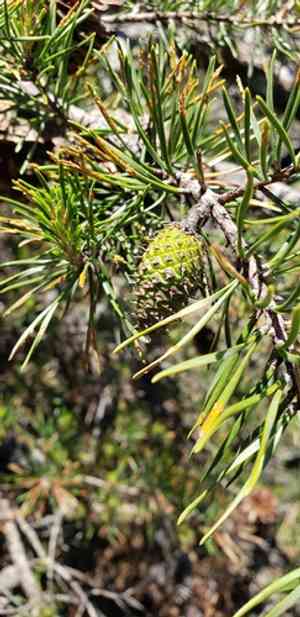
This evergreen conifer stands out for its capacity to thrive in stony ground and its resilience to flames. Trim table mountain pine during its dormant winter period, eliminating deceased or fractured limbs to preserve its form and stimulate fresh development. Thinning cuts are advisable to improve air movement, thereby lowering the likelihood of ailments. Trimming additionally aids in managing its size within cultivated spaces. Always employ sanitized, keen implements to execute accurate cuts without compromising the tree's inherent protective mechanisms.
What Are the Benefits of Pruning Table Mountain Pine?
What Are the Benefits of Pruning Table Mountain Pine?
Trimming table mountain pine boosts its vigor and preserves its structural soundness. Thoughtful branch removal fosters a robust shape, enabling table mountain pine to flourish and withstand environmental pressures.
What Is the Best Time for Pruning Table Mountain Pine?
What Is the Best Time for Pruning Table Mountain Pine?
Pruning table mountain pine from late winter to early spring, prior to new growth, is ideal as the plant is dormant, minimizing sap loss and disease risk. This timing allows for rapid healing with spring's growth surge and prevents damage to new shoots. It also offers a chance to shape the plant without obstructing views, as foliage is sparse. Avoid pruning in late summer or fall, as this can stimulate new growth that may not harden before winter, leading to frost damage.
What Tools Do I Need to Prune Table Mountain Pine?
Hand Pruners (Bypass Pruners)
Perfect for making clean cuts on the smaller, delicate new growth and slender branches of table mountain pine, ensuring minimal harm to the plant's tissues.
Loppers
Crucial for reaching elevated branches and cutting through thicker material that hand pruners cannot manage, while providing the necessary leverage for table mountain pine's tougher, woodier branches.
Pruning Saw
Required for removing large, mature branches from table mountain pine where loppers are no longer effective. A pruning saw allows for precise cuts on branches with a larger diameter, ensuring the plant's health.
Pole Pruner
Excellent for trimming higher branches of table mountain pine without needing a ladder. This tool enables safe pruning of branches that are beyond normal reach.
How to Prune Table Mountain Pine
Identify
Examine table mountain pine to locate dead or diseased branches, recognizable by their discolored, dry, and brittle appearance.
Disinfect
Before cutting, sanitize your pruning tools with a 10% bleach solution or rubbing alcohol to prevent the spread of disease.
Prune dead
Remove dead branches by cutting them back to the point of live, healthy tissue, ensuring cuts are made at a slight angle just above a lateral branch or bud.
Prune diseased
Carefully cut diseased branches well below the affected area, ensuring you remove any branch showing signs of infection to prevent its spread to healthy parts of table mountain pine.
Clean up
After pruning, clear all fallen debris from around table mountain pine and dispose of it properly to reduce the chance of disease or pest infestation.
Common Pruning Mistakes with Table Mountain Pine
Overpruning
Removing too much foliage from table mountain pine at once can stress the tree, leading to stunted growth or increased vulnerability to disease and pests.
Improper cut location
Cutting too close to the trunk or too far from the bud can impede proper healing and growth.
Using dull tools
Blunt pruning tools can create ragged cuts that are more susceptible to infection.
Pruning healthy growth
Unnecessarily cutting away healthy branches can result in a less vigorous table mountain pine.
Ignoring tree structure
Neglecting the natural form of table mountain pine can lead to an unbalanced shape and weaken its structural integrity.
Common Pruning Tips for Table Mountain Pine
Selective pruning
Remove only dead, diseased, or weak branches to maintain plant health and encourage a strong structure.
Clean tools
Use sanitized and sharp pruning tools to make clean cuts and lessen the risk of spreading diseases.
Angle cuts
Cut branches at a slight angle, away from the bud, to promote proper water runoff and prevent decay.
Prune for shape
Maintain the natural triangular shape of table mountain pine to encourage strong growth and a visually pleasing form.
Gradual pruning
Spread major pruning work over several seasons to avoid shocking the tree and to assess its reaction over time.



