How to Prune Pitch pine?
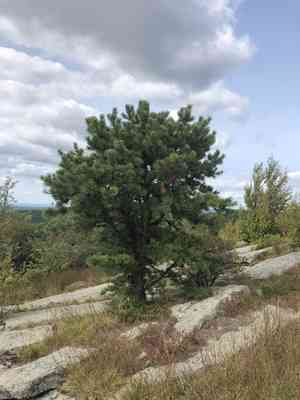
Well-known for its robustness and durability, Pinus rigida greatly benefits from judicious trimming. Essential methods involve excising deceased or ailing limbs, reducing density for better air movement, and sculpting to preserve its inherent shape. The most favorable period for pruning is in late winter to prevent sap leakage and encourage vigorous spring development. Although Pinus rigida tolerates diverse environments, pruning boosts its well-being and visual appeal, particularly in cultivated areas.
Advantages of Trimming Pitch Pine
Advantages of Trimming Pitch Pine
Trimming pitch pine promotes robust development and maintains its desired form. Strategic branch removal ensures strong structure and optimal vitality.
Optimal Time for Trimming Pitch Pine
Optimal Time for Trimming Pitch Pine
Winter is ideal for trimming pitch pine as the plant is dormant. During dormancy, sap flow and growth are minimal, reducing plant stress and the risk of attracting pests and diseases to fresh wounds. Additionally, without leaves, the tree's structure is clearer for precise cuts. Winter trimming also stimulates new growth when warmer spring weather arrives, leading to a healthier plant with a stronger structure.
Tools Required for Trimming Pitch Pine
Pruning Shears
Perfect for cutting smaller branches and needles of pitch pine, where precision is key. Opt for bypass pruning shears for clean cuts that encourage healthier regrowth.
Loppers
Necessary for cutting through thicker branches of pitch pine, typically up to 1.5 inches in diameter. Loppers offer the leverage and reach needed for branches too thick for shears.
Pruning Saw
An essential tool for removing mature branches larger than what loppers can handle. Pruning saws allow gardeners to efficiently cut through the tougher, thicker parts of pitch pine.
Pole Pruner
Useful for reaching higher branches of pitch pine without a ladder. This tool combines a saw and lopping shears on an extendable pole, providing safety and versatility during trimming.
Chainsaw
Recommended for professionals or experienced individuals. Suitable for cutting very thick branches or larger sections of pitch pine. Safety precautions are crucial to prevent injury.
Gloves and Safety Gear
Trimming pitch pine requires hand protection from sharp needles and branches, plus safety goggles to shield eyes from debris.
How to Trim Pitch Pine
Step1: Timing Trimming to Season
Determine the best time of year to trim pitch pine, usually late winter or early spring before new growth starts. This timing helps minimize sap loss and reduces borer attraction.
Step2: Tool Sterilization
Sterilize all trimming tools with a 1:9 bleach-to-water solution to prevent disease spread. Clean tools after each use, especially when cutting diseased branches.
Step3: Dead Wood Identification
Thoroughly inspect pitch pine to identify dead wood, recognizable by its dry, brittle texture, dark color, and lack of needles. Remove dead branches to promote healthy growth and reduce falling hazards.
Step4: Proper Dead Wood Cutting
Trim dead wood by cutting at the branch collar, the swollen area at the branch base where it meets the trunk. Use sharp, clean pruning saws for thick branches and clippers for smaller ones. Cut at a slight downward angle for water runoff.
Step5: Diseased Branch Removal
Locate and remove diseased branches, indicated by discoloration, abnormal growths, or fungi. Cut diseased branches well below affected areas, ideally to healthy tissue, to ensure complete disease removal.
Step6: Weak Growth Trimming
Address weak growth, including spindly or poorly attached branches that may not withstand harsh weather. Trim these at their origin or back to a lateral branch capable of supporting the resulting load.
Step7: Shaping and Thinning
After removing dead, diseased, and weak growth, assess pitch pine for overall shape and balance. If shaping is needed, selectively thin branches to improve light penetration and air circulation, but avoid excessive trimming, as pitch pine may respond with vigorous, undesirable growth.
Step8: Post-Trimming Cleanup
Clear all trimming debris from around pitch pine to prevent pest and disease harboring. Dispose of or destroy diseased material; do not compost it.
Step9: Post-Trimming Monitoring
Monitor pitch pine after trimming for signs of stress or disease. Additional watering or fertilization may aid recovery and growth.
Post-Trimming Care for Pitch Pine
Post-Trimming Care for Pitch Pine
Immediately after trimming pitch pine, allow clean cuts to heal naturally without dressings. Position the plant to receive ample sunlight, maintaining humidity and temperatures that mimic its natural habitat to reduce stress. Begin a balanced nutrient fertilizer regimen to encourage recovery and growth. Closely monitor pitch pine for wilted needles, resin flow, or unusual discoloration, which indicate stress or infection. If such signs appear, promptly adjust care or seek expert advice.
Common Trimming Errors with Pitch Pine
Excessive Trimming Harms Plant Health
Over-trimming, which can stress pitch pine and increase its susceptibility to disease and pests.
Incorrect Tools Cause Damaging Cuts
Trimming without appropriate tools, leading to jagged cuts that impair pitch pine's healing and raise infection risk.
Improper Leader Removal Affects Development
Removing the leader, or main upward branch, which can result in poor growth form and structural integrity for pitch pine.
Trimming Old Wood Prevents New Shoots
Trimming back to old wood, as pitch pine may not readily produce new shoots from older wood.
Flush Cuts Hinder Natural Healing
Making flush cuts against the trunk, which can remove the branch collar and impede the plant's natural healing process.
Ignoring Natural Shape Impedes Growth
Disregarding the natural shape of pitch pine, leading to an unnatural appearance and potential growth issues.
General Trimming Advice for Pitch Pine
Sharp Tools for Clean Cuts
Utilize sharp, clean trimming tools to make precise cuts and lessen the chance of spreading diseases to pitch pine.
Angle Cuts for Water Runoff
Cut branches at a slight angle, away from the bud, to promote water runoff and prevent disease.
Trim Selectively for Plant Health
Trim only dead, diseased, or damaged branches to maintain pitch pine's health and natural form, avoiding unnecessary cuts.
Maintain Natural Shape by Careful Trimming
Preserve the natural pyramidal shape of pitch pine by trimming carefully and not excessively altering its form.
Proper Cuts Outside Branch Collar
Cut outside the branch collar without leaving a stub to encourage proper healing and minimize the risk of decay.
Selective Leader Trimming for Structure
Trim competing leaders selectively if more than one exists, to maintain a strong structure and aesthetic form.



