How to Prune Eastern white pine?
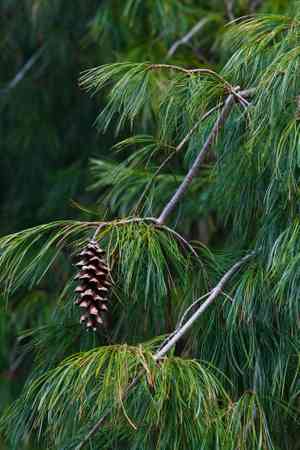
Recognizable by its elevated height and pliable, delicate needles, Pinus strobus flourishes with careful trimming. Key methods involve reducing dense branches and excising ailing or compromised limbs. The optimal period for pruning, to encourage robust new growth, is in late winter, before the onset of spring. Trimming Pinus strobus improves air movement and structural soundness, deterring problems such as insect outbreaks and bolstering resilience against substantial snow accumulation.
What Are the Benefits of Pruning Eastern White Pine?
What Are the Benefits of Pruning Eastern White Pine?
Trimming eastern white pine is vital for its vitality and desired structure. Deliberate cuts promote strong branching and prevent uncontrolled spread, shaping the tree's outline for landscaping while boosting its health.
What Is the Best Time for Pruning Eastern White Pine?
What Is the Best Time for Pruning Eastern White Pine?
Late winter is ideal for pruning eastern white pine as the plant is dormant, minimizing sap loss and disease risk. Pruning then allows wounds to heal before new growth, offering a clear view of the plant's structure without leaves. Trimming before spring growth ensures the plant's energy goes to healing and new development, not maintaining unnecessary or damaged branches.
What Tools Do I Need to Prune Eastern White Pine?
Pruning Shears
Perfect for trimming smaller branches and new growth on eastern white pine, enabling precise cuts without harming surrounding needles.
Loppers
Suitable for cutting thicker branches on eastern white pine up to 2 inches in diameter, offering more leverage and reach than pruning shears.
Pruning Saw
Essential for cutting branches thicker than 2 inches in diameter on eastern white pine, allowing for clean cuts on larger limbs.
Pole Pruner
Useful for reaching higher branches on eastern white pine without a ladder, ensuring safety and efficiency when trimming taller specimens.
Gloves
Protect hands from the resin and needles of eastern white pine during pruning, contributing to a safer and more comfortable experience.
How to Prune Eastern White Pine
Step1: Inspect for Problematic Branches
Check eastern white pine for dead, diseased, or broken branches. This is best done in late winter or early spring before new growth. Inspect the tree from bottom to top, noting any discolored, shriveled, or visibly damaged limbs or fungal growth.
Step2: Sanitize Pruning Tools
Clean your pruning tools before starting and between cuts if moving between healthy and diseased wood. Use a 1:9 bleach-to-water solution or a commercial disinfectant to prevent disease spread.
Step3: Prune Dead Branches
Start with dead branches. Make cuts on dead wood 1/4 inch above a healthy bud or branch node, using a clean, sharp saw for larger branches and pruning shears for smaller ones. Angle cuts slightly down and away to prevent water accumulation and disease.
Step4: Remove Diseased Wood
Remove diseased branches immediately to prevent further spread. Cut diseased branches at least 3 to 5 inches into healthy wood to ensure all infected material is gone. Follow the same angle and distance guidelines for cuts as in step 3.
Step5: Trim Broken Limbs
Remove broken branches by cutting them back to their origin or to the nearest lateral branch that is one-third the diameter of the removed limb. Ensure clean cuts for faster healing. Never leave stubs, as they can attract pests and decay.
Step6: Limit Pruning Extent
Avoid heavy pruning of eastern white pine. Remove only what is necessary, as eastern white pine have limited ability to heal from large wounds. Do not cut into the branch collar, the swollen area of trunk tissue at the base of a branch.
Step7: Assess Tree Shape
Evaluate the shape of eastern white pine after removing dead, diseased, and broken branches. Eastern white pine generally don't need shaping, but if necessary, trim for aesthetic balance or size control. Do not remove more than one-quarter of the tree canopy in a single season to prevent stress.
Step8: Dispose of Pruning Debris
Clear all debris from around the base of eastern white pine after pruning. This includes fallen branches or needles. Proper sanitation helps prevent potential pathogens from thriving around the tree.
Step9: Monitor for Pests and Disease
Monitor eastern white pine for signs of pest activity and disease throughout the growing season to address problems early. Regular checks help identify the need for corrective pruning outside the typical cycle.
Step10: Water After Pruning
Water eastern white pine properly after pruning to reduce stress and aid healing. Ensure the soil around eastern white pine is consistently moist, but not waterlogged, to promote root health and recovery.
Post-Pruning Care for Eastern White Pine
Post-Pruning Care for Eastern White Pine
Immediately after pruning eastern white pine, ensure clean cuts to prevent damage. Maintain high humidity and moderate temperatures to reduce stress. Adjust light exposure to avoid scorching, but provide enough for photosynthesis. Apply a balanced fertilizer to replenish nutrients; avoid over-fertilization, which can stress eastern white pine. Monitor for discoloration or oozing sap, which may indicate infection. If such signs appear, apply appropriate fungicidal or insecticidal treatments promptly to prevent further damage.
Common Pruning Mistakes with Eastern White Pine
Avoid over-pruning and excessive foliage removal
Over-pruning, which can weaken eastern white pine by removing too much foliage, diminishing its natural shape and vigor.
Do not prune into older, woody parts of the plant
Cutting into the older, woody parts of eastern white pine, as this can lead to poor healing and risks damaging the tree.
Prevent tearing and jagged cuts to avoid pests and diseases
Tearing or making jagged cuts, which can introduce pests and diseases, and hinder the tree's ability to heal.
Common Pruning Tips for Eastern White Pine
Use sharp, clean tools for effective, healthy cuts
Use sharp, clean tools to make precise cuts, which help eastern white pine heal more effectively and decrease the risk of disease.
Prune only dead, diseased, or overcrowded branches
Target only the dead, diseased, or broken branches, and selectively thin out crowded areas to maintain air circulation and light penetration.
Maintain natural shape and central leader during pruning
Prune in a manner that maintains the tree's natural pyramidal shape, focusing on the preservation of the central leader for optimal growth.



