How to Prune Scots pine?
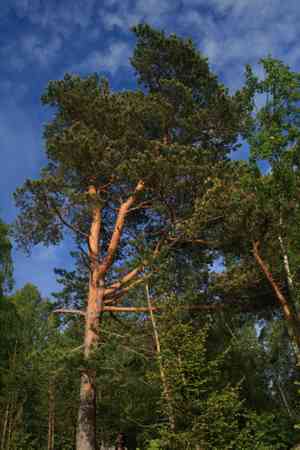
This evergreen conifer, recognized for its lofty, upright stem and unique outer layer, flourishes across various habitats. For scots pine, conduct pruning during its dormant winter phase to eliminate lifeless or ailing branches and to sculpt juvenile trees. Refrain from extensive cutting to avert developmental strain. Advantages of pruning encompass improved air movement, increased light penetration, and reinforced structural soundness. Prompt elimination of fragile branches mitigates the potential for harm from severe weather conditions.
What Are the Benefits of Pruning Scots Pine?
What Are the Benefits of Pruning Scots Pine?
Trimming scots pine encourages vigorous development and maintains its desired shape, fostering a more compact and robust tree with enhanced structural soundness.
What Is the Best Time for Pruning Scots Pine?
What Is the Best Time for Pruning Scots Pine?
Trimming scots pine in late winter allows for the removal of dead or infected limbs with minimal danger of pest or disease infestation, as many pests are inactive during this period. This timing also avoids cutting off new growth, which is crucial for the plant's health and vitality. It prevents the sap loss that can occur in scots pine if pruned during periods of active growth and helps ensure the plant's energy is directed towards healing the pruning wounds as temperatures rise in spring, promoting stronger recovery.
What Tools Do I Need to Prune Scots Pine?
Hand Pruners
Perfect for cutting smaller branches of scots pine. They offer precision and ease of use, suitable for selectively removing minor limbs, twigs, or deadwood.
Loppers
Used for larger branches, typically up to 2 inches in diameter, which might be found in younger scots pine specimens. The long handles provide leverage to cut through thicker growth without harming the plant.
Pruning Saws
Suitable for cutting branches over 2 inches in diameter. Pruning saws are essential for scots pine as it matures and develops thicker branches that hand pruners or loppers cannot manage.
Pole Pruners
Useful for reaching higher branches without needing a ladder. Given the height of mature scots pine, it is both a safety tool and a practical method to maintain the tree.
Shears
While shears are not typically used for scots pine, they can be employed for shaping young plants if desired. However, natural growth is often preferred for scots pine.
Chainsaw
For professional use or significant work on scots pine, especially for removing large limbs or undertaking major pruning tasks. Must be used with caution and potentially require professional handling.
How to Prune Scots Pine
Step1: Timing for Pruning
Evaluate scots pine for pruning needs during late winter to early spring, as this is an optimal time for trimming. Avoid pruning in late summer or early autumn to prevent stimulating new growth that might not harden off before winter.
Step2: Sterilize Pruning Tools
Sanitize pruning tools with a 10% bleach solution or rubbing alcohol to prevent the spread of disease. Allow tools to dry or rinse with water before use.
Step3: Identify Dead Wood
Identify dead wood by looking for branches that lack needles, are brittle, and have a gray, weathered appearance. These branches will not bend easily and often snap.
Step4: Prune Dead Wood Correctly
Trim dead wood by making cuts just outside the branch collar, the swollen area of trunk tissue that forms around the base of a branch. Use sharp pruning tools suitable for the size of the branch being removed.
Step5: Find and Cut Diseased Branches
Search for diseased branches, which may have discoloration, unusual growth patterns, or visible signs of fungal growth. Prune these branches well below diseased tissue, ideally back to healthy wood.
Step6: Remove Damaged Limbs
Identify damaged limbs by looking for breaks, cracks, or limbs that have been compromised by weather or physical impact. Remove these by cutting back to a lateral branch or the main trunk, depending on the extent of the damage.
Step7: Three-Cut Method for Large Branches
When removing larger branches, use a three-cut method to prevent bark tearing: Make a notch on the underside of the branch a few inches away from the trunk, then cut through the branch from the top a little further out to remove most of its weight, and finally cut near the branch collar to remove the stub.
Step8: Thin the Canopy
Thin out dense areas of the canopy to allow light and air circulation, which can help prevent disease. Avoid removing more than one-quarter of the living crown of scots pine in a single pruning session.
Step9: Dispose of Pruning Debris
After pruning, dispose of all cuttings, especially if they were diseased, to prevent the spread of pathogens. Do not compost diseased material.
Step10: Avoid Wound Paint
Avoid using tree wound paint or sealants, as they can inhibit the natural healing process of scots pine.
Step11: Post-Pruning Care
Monitor scots pine after pruning for signs of stress or infection and ensure proper watering, mulching, and possibly fertilizing to encourage healthy growth.
Step12: Preserve the Leader Branch
Avoid pruning the leader (the main upward-trending branch on scots pine) unless it is damaged, as this helps maintain the natural shape and health of the tree.
Post-Pruning Care for Scots Pine
Post-Pruning Care for Scots Pine
Immediately after trimming scots pine, ensure clean cuts to aid healing. Optimize environmental conditions by maintaining moderate light exposure, stable humidity, and avoiding temperature extremes. Post-pruning, delay fertilization for one month to prevent stress, then gradually introduce balanced nutrients. Monitor scots pine for discolored foliage, resin exudation, or die-back as stress indicators. If infection signs appear, apply a fungicide recommended for conifers and trim away infected areas.
Common Pruning Mistakes with Scots Pine
Excessive Pruning Shocks Plant
Over-trimming can shock scots pine, as removing more than 25% of its foliage in one season can be detrimental to its health.
Cutting Into Old Non-Producing Wood
Cutting into the older wood of scots pine that no longer produces needles is a common mistake, as this can lead to decay and does not promote new growth.
Improper Branch Cutting Damages Plant
Incorrectly cutting branches flush to the trunk can remove the branch collar, increasing the risk of disease and pests for scots pine.
Unsanitized Tools Spread Disease
Not sanitizing pruning tools before use on scots pine can spread disease among plants.
Disregarding Plant's Natural Shape
Ignoring the natural form of scots pine when pruning disrupts its aesthetic and biological structure, potentially leading to unbalanced growth and reduced vitality.
Common Pruning Tips for Scots Pine
Sharp, Clean Cuts for Healthier Plants
Use sharp, clean cutting tools to make precise cuts on scots pine, which will aid in quicker healing and reduce the risk of disease.
Prune for Natural Shape and Health
Trim scots pine to retain its natural shape, and focus on removing dead, diseased, or damaged branches to promote healthy growth and air circulation.
Strategic Cuts for Desired Growth Direction
When shortening branches on scots pine, cut back to a lateral branch or bud that points in the desired direction of growth to encourage a pleasing shape.
Thinning for Light and Air Flow
Thin out dense clusters of branches on scots pine, especially in the crown, to improve light penetration and air flow, which is essential for the prevention of fungal infections.
Prune According to Growth Patterns
Trim scots pine with an understanding of its growth patterns, such as identifying the dominant leader and lateral branches that contribute to its structural integrity.



