How to Prune Buddhist pine?
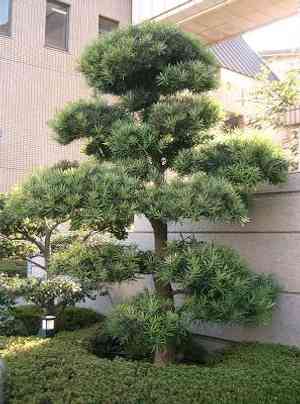
Originating from Japan and China, buddhist pine is an evergreen coniferous tree characterized by its elongated, deep green needles. For buddhist pine, undertake pruning to sculpt its form and manage its dimensions in late winter; this involves excising deceased or congested limbs to improve air movement and light exposure. Delicately thin the specimen instead of shearing it, to uphold its inherent structure. Pruning benefits buddhist pine by fostering robust development and lush foliage, concurrently mitigating disease susceptibility through enhanced air circulation among its branches.
What Are the Benefits of Pruning Buddhist Pine?
What Are the Benefits of Pruning Buddhist Pine?
Trimming buddhist pine encourages robust, strong development and helps maintain its desired form, crucial for both landscape and bonsai cultivation. Regular cutting can also revitalize older specimens.
What Is the Best Time for Pruning Buddhist Pine?
What Is the Best Time for Pruning Buddhist Pine?
Winter is considered the optimal season for pruning buddhist pine due to several factors. During winter, buddhist pine is in a dormant state, which minimizes stress and promotes quicker recovery after pruning. This inactive period is when growth is temporarily paused, making it less likely for the pruning cuts to disrupt the plant's natural growth cycle. Additionally, the absence of leaves at this time allows for better visibility of the plant's structure, enabling more precise shaping and removal of any unhealthy or unwanted branches. Moreover, winter pruning helps prevent the spread of pests and diseases, which are less active in cold weather. This timing also prepares buddhist pine for a vigorous surge of new growth in the spring, fostering a healthier and more aesthetically pleasing plant for the upcoming seasons.
What Tools Do I Need to Prune Buddhist Pine?
Hand Pruners
For accurate cuts and shaping of buddhist pine, hand pruners or secateurs are perfect. They provide clean and precise cuts, vital for preserving plant health and appearance.
Loppers
Buddhist pine may develop thicker branches as it matures. Loppers are suitable for cutting branches up to 2 inches thick, allowing for efficient pruning without harming the plant.
Pruning Saw
When buddhist pine's branches exceed the capacity of loppers, a pruning saw is essential. Its sharp teeth can manage the thick, woody branches of mature buddhist pine plants.
Hedge Shears
For trimming and shaping the dense foliage of buddhist pine, hedge shears are the best implement. They allow for even, straight cuts across multiple stems simultaneously.
Pole Pruner
If buddhist pine is tall, a pole pruner can be used to reach and trim higher branches safely from the ground.
How to Prune Buddhist Pine
Step1: Tool Sterilization
Prepare pruning tools. Sanitize your shears or saws with a solution of 1 part bleach to 9 parts water to prevent the spread of illnesses.
Step2: Dead Branch Inspection
Examine buddhist pine for any dead branches, which will be dry, brittle, and may have a different hue than healthy branches.
Step3: Dead Branch Removal
Trim dead branches by cutting them at the point where they meet healthy wood. Make the cut at a slight angle to prevent water from collecting on the wound.
Step4: Disease Identification
Identify any diseased wood, which may appear discolored, have unusual growths, or show signs of fungal infection.
Step5: Diseased Limb Pruning
Remove diseased limbs by pruning them back to healthy tissue or to the base of the plant. Ensure all cuts are clean and smooth to promote rapid healing.
Step6: Damaged Limb Assessment
Locate damaged limbs, which may be split, broken, or have been harmed by weather or mechanical injury.
Step7: Damaged Limb Pruning
Cut off damaged limbs cleanly at a point just beyond the break or injury, again angling the cut to shed water away from the wound site.
Step8: Shape Assessment Post-Pruning
After completing the removal of dead, diseased, and damaged limbs, step back to assess the overall shape of buddhist pine.
Step9: Selective Shaping
If additional shaping is desired, selectively trim back overgrown branches, maintaining the natural pyramidal shape of buddhist pine. Focus on thinning rather than topping to encourage air circulation and light penetration.
Step10: Pruned Material Disposal
Dispose of all pruned material promptly and appropriately. Do not compost diseased material to avoid spreading pathogens to other parts of your garden.
Step11: Post-Pruning Tool Care
Clean and sterilize all tools used during the pruning process to ensure they are ready for the next use and to prevent disease spread.
Step12: Applying Wound Dressing
Apply a wound dressing or pruning sealer to large cuts to protect buddhist pine from pests and diseases, though this is often not required for small cuts.
Post-Pruning Care for Buddhist Pine
Post-Pruning Care for Buddhist Pine
After pruning buddhist pine, ensure it's placed in a bright, indirect light area to reduce stress. Maintain moderate humidity and keep temperatures between 60-75°F. Avoid fertilizing immediately; begin after one month using balanced, slow-release feed. Water when the topsoil feels dry. Inspect regularly for wilt, discoloration, or pests, indicating stress or disease. Promptly isolate buddhist pine upon signs of infection and consult a specialist for treatment options.
Common Pruning Mistakes with Buddhist Pine
Over-pruning
Pruning too aggressively, which can stress buddhist pine and lead to poor growth or disease.
Improper Tool Use
Using dull or unclean cutting tools, which can make imprecise cuts and introduce pathogens.
Excessive Live Crown Removal
Removing too much of the live crown at once, which can shock buddhist pine and reduce its vigor.
Lack of Pruning Strategy
Pruning without a clear purpose or plan, which can result in an undesirable shape and can harm buddhist pine's overall health.
Ignoring Dead/Diseased Limbs
Neglecting to remove dead or diseased branches, which can hinder the plantâs growth and spread disease.
Common Pruning Tips for Buddhist Pine
Use Sharp and Clean Tools
Use sharp, clean pruning tools to make clean cuts that buddhist pine can heal quickly from.
Maintain Natural Plant Shape
Prune to maintain the natural pyramidal shape of buddhist pine, which promotes a strong structure and aesthetic form.
Prune for Denser Growth
Prune the tips of the branches to encourage denser foliage and maintain the desired size of buddhist pine.
Remove Unhealthy Branches
Identify and remove any dead, diseased, or crossing branches to enhance air circulation and the overall health of buddhist pine.
Angle Cuts Away From Buds
Make cuts at a slight angle, away from the bud, to prevent water from accumulating on the cut surface and leading to decay.
Prune for Light and Fruiting
Consider the plantâs growth pattern and prune selectively to enhance light exposure and to encourage fruiting where applicable.



