How to Prune Totara?
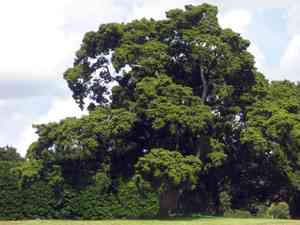
A hardy evergreen indigenous to New Zealand, totara is celebrated for its compact, pyramidal shape and robust timber. Trim totara in late winter to manage its form and dimensions. Employ sharp, sanitized implements to make incisions directly above branch unions, focusing on eliminating deceased or congested branches. Deliberate thinning fosters air circulation and light access, thereby improving development and the tree's well-being. Totara reacts favorably to trimming, frequently yielding vigorous new growth. Refrain from extensive cutting to uphold its inherent beauty.
Advantages of Trimming Totara
Advantages of Trimming Totara
Trimming totara promotes more robust development and assists in preserving its desired form. By eliminating dead or overgrown limbs, it enhances light exposure and air movement, leading to a healthier and more visually pleasing specimen.
Optimal Period for Trimming Totara
Optimal Period for Trimming Totara
Trimming totara from late winter to early spring ensures the plant's dormant phase is utilized, minimizing stress and sap loss. This is when the tree is less vulnerable to infections, and the upcoming growth season facilitates rapid healing of pruning wounds. Furthermore, the absence of leaves provides better visibility for precise cuts. Avoid trimming in autumn as it can stimulate new growth susceptible to frost damage.
Required Tools for Trimming Totara
Bypass Hand Pruners
Perfect for making clean cuts on branches up to 1 inch in diameter, crucial for maintaining totara's health
Loppers
Feature long handles that offer leverage for cutting thicker branches, typically up to 2 inches in diameter, essential for shaping totara or removing larger limbs without harming the plant
Pruning Saw
Necessary for cutting branches exceeding 2 inches in diameter, as totara can develop thick, woody stems that require a saw for proper removal
Hedge Shears
Useful for trimming and shaping totara's foliage, especially if grown as a hedge or screen, as these shears allow for uniform and attractive cuts
Pole Pruner
Beneficial for reaching higher branches of totara without needing a ladder, which is safer for the person pruning and reduces the risk of plant damage
Cleaning Solution
To prevent disease transmission, it's vital to clean tools before and after use on totara, particularly if they've been used on other plants
How to Trim Totara
Sanitization
Before trimming totara, disinfect pruning tools with alcohol or a bleach solution to prevent disease spread.
Identification
Examine totara and pinpoint dead or diseased branches. Look for signs such as discolored, brittle, or decaying wood, and branches lacking foliage or signs of life.
Clean Cut
Using sharp and clean shears, make precise cuts to remove dead branches. Cut at a slight angle just above a healthy bud, branch junction, or the main trunk, ensuring no stub is left.
Remove Infected
Carefully remove diseased branches, cutting well below the affected area to ensure all diseased tissue is eliminated. Dispose of these immediately and carefully to prevent contamination.
Final Inspection
After all necessary branches have been removed, conduct a final inspection of totara and clear away all cuttings from the base to promote good health and deter pests.
Common Trimming Errors with Totara
Over-trimming
Removing too much foliage from totara at once can stress the plant, lead to poor growth, or potentially kill it.
Incorrect Cut Placement
Cutting too far from or too close to a bud can harm totara. The cut should be made just above a leaf node where new growth will emerge.
Using Dull Or Dirty Tools
Using tools that are not sharp and clean can cause jagged cuts prone to disease, impacting totara's health.
Trimming Without A Plan
Random or excessive cutting without understanding totara's growth pattern can result in an unbalanced shape and weak structure.
Ignoring Dead Or Diseased Branches
Failing to remove dead or diseased wood can attract pests and diseases, affecting totara's overall health.
General Trimming Advice for Totara
Sterilize Tools
Always use sterilized trimming tools on totara to prevent the spread of disease between plants.
Sharp Cuts
Make clean, sharp cuts to minimize damage to the plant's tissue and promote faster healing for totara.
Trim For Structure
Focus on removing crossing branches and maintaining a strong framework to encourage good air circulation and structural integrity of totara.
Encourage Growth
Trim just above leaf nodes facing the direction you want new growth to go, fostering a desirable shape for totara.
Thinning Over Heading
Opt for thinning cuts (removing entire branches to the point of origin) to maintain the natural form of totara, rather than heading cuts that can stimulate excessive foliage at the expense of the plant’s structure.



