How to Prune White poplar?
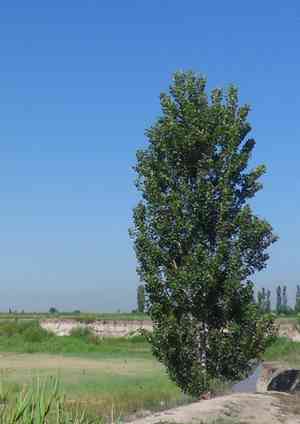
Boasting silvery-green foliage and remarkable resilience, white poplar flourishes optimally with consistent trimming. Methods encompass reducing dense branches, eliminating deceased or ailing limbs, and sculpting for form. The ideal period for pruning is early spring or late winter. This practice guarantees robust development, adequate air circulation, and diminishes the likelihood of illness. Applying wound sealants is recommended to deter insect infestation. For white poplar, thoughtful cuts encourage a strong profile and enduring vitality.
What Are the Benefits of Pruning White Poplar?
What Are the Benefits of Pruning White Poplar?
Trimming white poplar not only promotes vigorous development but also helps maintain its desired form, leading to a healthier and more visually appealing tree.
What Is the Best Time for Pruning White Poplar?
What Is the Best Time for Pruning White Poplar?
During late winter, white poplar is dormant, which minimizes plant stress and lowers the risk of disease entering pruning wounds. Early spring is also suitable as the plant is about to start its growth cycle, allowing for quick healing and directing energy to new, desirable growth. This timing ensures white poplar retains crucial energy reserves needed for the spring growth surge. By avoiding flowering and fruiting periods, pruning will not interfere with these important phases of white poplar's growth cycle.
What Tools Do I Need to Prune White Poplar?
Hand Pruners
Perfect for making precise cuts on young or slender branches of white poplar. They provide the necessary control to trim smaller limbs without harming adjacent stems. Opt for bypass pruners for clean cuts on living wood.
Loppers
Appropriate for cutting through thicker branches that hand pruners cannot manage. Their long handles offer leverage to cut through branches up to 1.5 inches in diameter, common for white poplar's more developed limbs.
Pruning Saw
Essential for removing even larger branches from white poplar. A curved blade pruning saw can quickly handle branches over 1.5 inches in diameter that loppers cannot accommodate.
Pole Pruner
A vital tool for reaching higher branches of white poplar without needing a ladder. The pole can be extended to various lengths, and the pruner at the end allows for cutting branches from the ground.
Chainsaw
Only advised for use by experienced individuals. A chainsaw can be utilized for removing very large limbs or felling white poplar if necessary. Its power enables rapid cutting, but safety is paramount.
Safety Gear
Protective clothing, gloves, and eyewear should be worn when pruning to prevent injury from falling branches and debris, as well as to protect from saw blades and other sharp tools.
How to Prune White Poplar
Step1: Timing for Pruning
Determine the correct time of year for pruning white poplar, typically late winter or early spring before new growth begins. This timing helps prevent exposing the tree to harsh winter conditions after pruning and ensures wounds heal quickly as the tree enters its active growth phase.
Step2: Prepare Pruning Tools
Gather the necessary tools for pruning white poplar, including sharp and clean pruning shears, loppers, or a pruning saw for larger branches. Ensure tools are disinfected to prevent disease spread.
Step3: Identify Dead Wood
Examine the entire white poplar for dead wood, which appears dry, brittle, and lacks buds or green, flexible wood. These branches often look discolored or decayed and may sometimes have fungus growing on them.
Step4: Remove Dead Branches
Begin pruning by removing any dead wood. Cut dead branches back to live tissue, making cuts just above a lateral branch or bud. If the entire branch is dead, prune it back to the base or main trunk, cutting just outside the branch collar without damaging it.
Step5: Detect Diseased Limbs
Inspect white poplar for diseased branches, which may show signs like discolored bark, cankers, or unusual growths. It is crucial to remove these diseased branches to prevent disease spread throughout the tree.
Step6: Prune Diseased Branches
Carefully remove diseased branches by cutting them at least several inches below the affected area to ensure all diseased tissue is removed. Again, clean your tools between each cut to avoid spreading pathogens.
Step7: Inspect for Broken Limbs
Identify any broken limbs on white poplar, which can result from storms, wind, or other physical damage. Broken limbs can create entry points for diseases and pests, so addressing them promptly is important.
Step8: Prune Broken Limbs
Prune broken limbs cleanly back to the next healthy branch junction, or to the main trunk if necessary, using the same cutting technique as for dead wood. Avoid leaving stubs, as they can be entry points for disease.
Step9: Shape and Thin Canopy
After removing dead, diseased, and broken limbs, step back to assess the overall shape of white poplar. If additional shaping is needed for the tree's health or aesthetics, make thinning cuts to improve air circulation and light penetration. Remove select branches, ensuring you do not remove more than 25% of the tree's canopy in a single season.
Step10: Cleanup and Tool Maintenance
Conclude the pruning process by clearing all removed material. Dispose of diseased branches properly to prevent any disease spread. Clean your tools thoroughly after the job is done to ensure they are ready for future use.
Post-Pruning Care for White Poplar
Post-Pruning Care for White Poplar
Immediately after pruning white poplar, ensure clean cuts to facilitate healing. Keep white poplar in a well-lit area with moderate humidity and temperatures. Water sufficiently, avoiding excess, to maintain soil moisture. Apply a balanced fertilizer to support recovery, adhering to species-specific guidelines. Monitor white poplar regularly for wilting, discoloration, or signs of infection. If symptoms persist, consider applying a suitable fungicide, and consult an arborist for severe cases. Consistent care promotes robust regrowth in white poplar.
Common Pruning Mistakes with White Poplar
Unsterilized Tools Spread Disease
Failing to sterilize pruning tools before and after use, which can transmit diseases to white poplar.
Excessive Pruning Stresses Plant
Pruning too much at once, which can stress white poplar and potentially lead to poor growth or susceptibility to pests and diseases.
Improper Cutting Leads to Decay
Making incorrect cuts, such as leaving large stubs or tearing the bark, can result in decay and provide entry points for pathogens.
Neglecting Plant's Natural Shape
Ignoring the natural form of white poplar, leading to an unnatural appearance and potentially disrupting the plant's growth pattern.
Pruning without Structural Assessment
Pruning without evaluating the tree's health and structure, which might lead to removing the wrong branches or failing to address problematic limbs.
Common Pruning Tips for White Poplar
Clean Cuts with Sharp Tools
Utilize clean, sharp tools to make precise cuts that will heal quickly, reducing stress on white poplar.
Strategic Pruning for Natural Shape
Prune strategically to maintain white poplar's natural form, removing only dead, damaged, or diseased branches and any that cross or rub against each other.
Thinning for Better Airflow and Sunlight
Focus on thinning the canopy to enhance air circulation and light penetration, which will encourage healthy foliage and decrease the risk of fungal diseases.
Correct Cuts Protect Healing
Cut just outside the branch collar, avoiding flush cuts against the trunk or parent branch to safeguard white poplar's natural healing processes.
Monitor Plant's Post-Pruning Response
Observe white poplar after pruning to note its response and adjust future pruning practices accordingly, based on the tree's health and growth.



