How to Prune Swamp cottonwood?
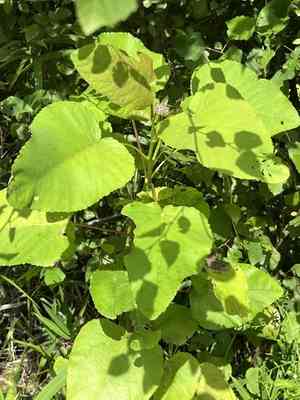
Populus heterophylla, known for its swift development and affinity for marshy environments, greatly profits from appropriate trimming. Essential methods include excising deceased or ailing limbs to preserve its well-being and form. The most favorable periods for pruning are early spring and late winter, coinciding with its inactive phase to lessen strain. Consistent trimming improves structural integrity and air circulation, diminishing the likelihood of infestations. It is vital to disinfect implements prior to and following pruning to avert the spread of pathogens. For superior outcomes, consistently consult expert botanical advice.
Advantages of Trimming Swamp Cottonwood
Advantages of Trimming Swamp Cottonwood
Trimming swamp cottonwood is vital for preserving its form and fostering robust development. Regular cutting helps maintain a controlled size suitable for its native environments while promoting stronger health and resistance to environmental pressures.
Optimal Time for Pruning Swamp Cottonwood
Optimal Time for Pruning Swamp Cottonwood
Pruning in late winter or early spring is ideal for swamp cottonwood since the plant remains dormant before its spring growth surge. This timing helps prevent sap bleeding, which is more common in swamp cottonwood if pruned in late spring or summer. Additionally, pruning during these seasons allows gardeners to easily spot and remove any damaged or diseased wood, enhancing plant health and structure before new growth begins. This timing also minimizes infection and stress risks for swamp cottonwood, encouraging vigorous growth and a strong structure for the upcoming growing season.
Tools Required for Pruning Swamp Cottonwood
Hand Pruners
Perfect for trimming smaller branches and shoots of swamp cottonwood, ensuring precise cuts to maintain plant vitality and appearance.
Lopping Shears
Suitable for cutting through thicker branches (up to 2 inches in diameter) of swamp cottonwood, providing the necessary leverage for tougher cuts.
Pruning Saw
Essential for removing larger limbs from mature specimens of swamp cottonwood, allowing for cuts on branches exceeding 2 inches in diameter.
Pole Pruner
Useful for reaching higher branches of swamp cottonwood without needing a ladder, ensuring safe and efficient tree maintenance.
How to Prune Swamp Cottonwood
Identify
Perform an initial check of swamp cottonwood to locate dead or diseased branches. These branches are typically dry, leafless, or show clear signs of infection like discoloration or fungal growth.
Sanitation
Before beginning to prune swamp cottonwood, sanitize your pruning tools with a solution of 1 part bleach to 9 parts water to prevent disease spread. Ensure tools are sharp for clean cuts.
Cutting technique
Employ proper cutting methods to remove dead or diseased branches from swamp cottonwood. Make cuts at a 45-degree angle, approximately 1/4 inch above a healthy bud or branch junction. Avoid tearing the bark to encourage quicker healing.
Disposal
Properly dispose of removed branches to prevent disease transmission. Do not compost them; instead, burn them or discard them according to local regulations.
Monitoring
After pruning, regularly observe swamp cottonwood for signs of stress or further disease. This aids in early detection and management of potential issues, ensuring the plant's health and vigor.
Common Pruning Errors with Swamp Cottonwood
Overpruning
Removing too much foliage from swamp cottonwood can severely weaken the plant. It's crucial not to cut away more than 25-30% of the crown at once, as this can stress the tree, making it vulnerable to diseases and environmental stress.
Improper cuts
Making cuts too close to the trunk or leaving large stubs can impede the healing process of swamp cottonwood. Incorrect cuts may introduce pathogens and promote decay at the cut sites.
Neglecting tool hygiene
Using unsanitized tools can introduce bacteria or fungi to fresh cuts on swamp cottonwood. It’s essential to sterilize pruning tools before use to minimize disease risk.
General Pruning Advice for Swamp Cottonwood
Selective thinning
Focus on selectively thinning out crowded branches to improve light penetration and air circulation throughout the canopy of swamp cottonwood. This approach promotes healthier growth and reduces disease likelihood.
Structural trimming
Prioritize removing dead, damaged, or diseased branches to maintain the structural integrity of swamp cottonwood. It's also beneficial to prune branches that cross or rub against each other to prevent wounds that could serve as entry points for pests.
Judicious top-pruning
While shaping swamp cottonwood, avoid excessive top pruning which can lead to weak, water-sprout growth. Instead, aim for maintaining a natural tree form to promote stronger, more resilient growth patterns.



