How to Prune Chickasaw plum?
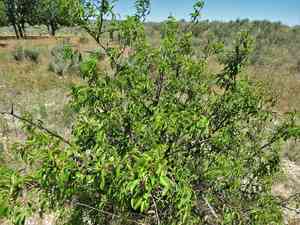
The chickasaw plum, a fruit-producing shrub indigenous to North America, flourishes in adequately drained earth, yielding diminutive white blossoms subsequently followed by tangy plums. To foster its vitality and fruit yield, eliminate any deceased or ailing branches and reduce the density of crowded limbs. Trimming should be carried out in the early spring season prior to the emergence of new foliage. This schedule facilitates rapid recovery and robust spring development. Reducing branch density improves air movement, thereby averting fungal infections and promoting uniform fruit maturation.
What Are the Benefits of Pruning Chickasaw Plum?
What Are the Benefits of Pruning Chickasaw Plum?
Trimming chickasaw plum promotes robust development and helps preserve its desired form. Eliminating dead or diseased branches enhances air circulation, lowering pest and disease risks. Strategic cuts boost flowering and fruit production, contributing to a healthier, more attractive plant.
What Is the Best Time for Pruning Chickasaw Plum?
What Is the Best Time for Pruning Chickasaw Plum?
Pruning chickasaw plum in early spring aligns with its dormant phase, just before new growth begins. This timing prevents the removal of new buds, which could diminish the upcoming bloom. It also enables chickasaw plum to direct nutrients and energy into developing strong, healthy shoots once the growing season starts. Pruning at this time allows cuts to heal quickly without exposing chickasaw plum to pests or diseases that are more common in humid summer months. Furthermore, without leaves, the structure of chickasaw plum is more visible, facilitating precise pruning to shape the plant and remove any dead or diseased wood, thereby enhancing the overall vitality and fruit production of chickasaw plum.
What Tools Do I Need to Prune Chickasaw Plum?
Hand Pruners
These are crucial for cutting thin, young, and green branches of chickasaw plum. Bypass pruners are preferred as they create clean cuts vital for the healthy regrowth of chickasaw plum.
Loppers
For branches too thick for hand pruners but still under 2 inches in diameter, loppers offer the necessary leverage and reach. This minimizes the risk of damaging chickasaw plum's structure.
Pruning Saw
When dealing with branches thicker than 2 inches, a pruning saw is useful. For chickasaw plum, a curved blade saw can be more effective for navigating dense growth.
Pole Pruner
If chickasaw plum's height is considerable and branches are out of reach, a pole pruner allows for safe trimming without needing a ladder.
How to Prune Chickasaw Plum
Clean Tools
Before beginning, sanitize pruning tools using a solution of 1 part bleach to 9 parts water to prevent the spread of disease.
Remove Dead Wood
Identify and cut out all dead wood from chickasaw plum, making clean cuts at a 45-degree angle just above a healthy bud or branch, ensuring good air circulation and light penetration.
Cut Diseased Wood
Look for diseased wood, characterized by discoloration or unusual growths. Remove these branches by cutting well into healthy tissue to stop the spread of disease.
Prune Damaged Wood
Locate and trim away any damaged wood, which might be caused by physical harm or weather events. Make cuts close to the point of healthy growth to promote rapid healing.
Maintain Shape
After removing problematic wood, shape chickasaw plum by selectively pruning branches to maintain the natural form of the tree and encourage healthy new growth.
Common Pruning Mistakes with Chickasaw Plum
Overpruning
Removing too much growth at once can stress chickasaw plum, weakening its defenses against pests and diseases, and potentially leading to reduced flowering and fruiting.
Improper Cut Placement
Cutting too far from the bud or node or leaving a stub can hinder chickasaw plum's natural healing process and may invite diseases or pests.
Using Dull Pruning Tools
Dull tools can cause ragged cuts that are more susceptible to disease and may damage chickasaw plum's tissue, impeding healthy regrowth.
Neglecting Sanitation
Failing to clean tools before and after pruning chickasaw plum can spread disease from infected plants to healthy ones.
Ignoring Dead Or Diseased Wood
Not removing dead, diseased, or damaged wood can allow problems to persist and spread throughout chickasaw plum, compromising its overall health and vigor.
Common Pruning Tips for Chickasaw Plum
Correct Cut Technique
Make clean, angled cuts just above a bud or outward-facing branch to promote outward growth and good air circulation within chickasaw plum's canopy.
Tool Preparation
Ensure pruning tools are sharp and sanitized before starting work on chickasaw plum to prevent damage and the spread of disease.
Selective Thinning
Thin out crowded branches to increase light penetration and air movement, which helps chickasaw plum produce more flowers and maintain a healthy structure.
Maintenance Pruning
Regularly remove suckers, water sprouts, and competing branches to maintain the desired shape and health of chickasaw plum.
Aftercare
Monitor chickasaw plum after pruning for any signs of disease and provide adequate water and mulch to support recovery and growth.



