How to Prune European plum?
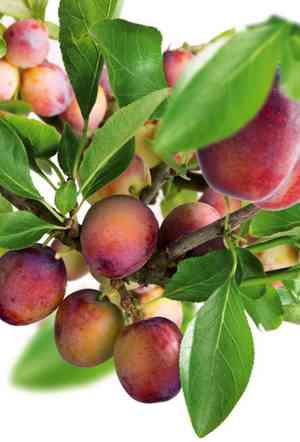
A commonly grown fruit-bearing tree, european plum is celebrated for its sugary, consumable stone fruits. Essential trimming methods involve reducing older limbs to boost light access and air movement, and shortening new growths to encourage fruit-bearing spurs. The most effective pruning takes place in late winter to lessen the chance of illness and stimulate robust spring development. Particular advantages encompass improved fruit caliber and dimensions, alongside extended tree vitality and yield.
What Are the Benefits of Pruning European Plum?
What Are the Benefits of Pruning European Plum?
Trimming european plum is vital for a greater harvest, as it channels the plant's energy toward fruit development. Regular cutting back helps european plum sustain vitality and a manageable form, fostering robust health and preventing excessive growth.
What Is the Best Time for Pruning European Plum?
What Is the Best Time for Pruning European Plum?
Pruning in late winter is advantageous because it avoids removing new spring growth, which includes flower buds formed on the prior season's wood. Trimming at this time reduces disease risk as pathogens are less active, and it allows european plum to recover from cuts before its active spring growth. Additionally, the absence of leaves offers better visibility for informed pruning choices.
What Tools Do I Need to Prune European Plum?
Hand Pruners
Perfect for making precise cuts on european plum to eliminate small branches, deadwood, and suckers. Opt for bypass pruners for clean, close cuts that promote rapid healing.
Loppers
Suitable for cutting through thicker branches that hand pruners cannot manage, ensuring healthy growth and fruit production in european plum.
Pruning Saw
Essential for removing larger limbs that loppers can't handle, especially important when shaping the tree or removing damaged limbs to maintain european plum's structure and health.
Pole Pruner
Useful for reaching higher branches without needing a ladder, making the pruning process safer and more efficient for taller european plum trees.
Hedge Shears
Generally not advised for european plum, as they are typically used for shaping hedges rather than trees. Precise, individual cuts are preferred to maintain the health of european plum.
Gloves
Protect hands from thorns and rough bark while pruning european plum, ensuring safety and comfort during the process.
How to Prune European Plum
Step1: Identify Old Wood
Identify european plum old wood by looking for branches that are darker, have thicker bark, and may show less vigorous growth. These older branches often produce less fruit and can be pruned to stimulate new, more productive growth.
Step2: Examine for Diseases
Examine european plum for any diseased wood, which may appear discolored, have fungal growth, or show signs of rot. Diseased branches should be removed to prevent the spread of disease.
Step3: Inspect for Damage
Inspect european plum for broken or damaged branches caused by wind, winter damage, or other mechanical harm. These branches can create entry points for pests and diseases if not properly pruned.
Step4: Prepare Pruning Tools
After properly identifying the parts of european plum that need trimming, prepare clean, sharp pruning shears or a pruning saw. Sterilize your tools with rubbing alcohol or a 10% bleach solution to prevent the spread of disease.
Step5: Prune Old Wood
Start pruning european plum old wood by making cuts just above a healthy bud or side branch. The cut should be made at a 45-degree angle, about 1/4 inch above the bud, promoting new growth.
Step6: Remove Diseased Wood
Remove diseased wood from european plum by cutting well into the healthy tissue, at least 4 to 6 inches below the diseased area. Take extra care to clean your tools after each cut when dealing with diseased branches.
Step7: Trim Broken Branches
Trim broken branches on european plum by making clean cuts to remove any jagged edges or partially attached limbs. This will help the tree heal more quickly and reduce the risk of disease.
Step8: Shape for Better Circulation
After cutting, shape european plum by selectively pruning branches that are crossing or rubbing against each other to improve air circulation and light penetration throughout the tree.
Step9: Thin Out New Growth
Thin out some of the new growth on european plum to maintain an open center, which allows sunlight to reach the interior of the tree. This promotes even ripening of fruit and reduces the risk of disease.
Step10: Clean Up Trimmings
Finish the pruning session by cleaning up all trimmed materials from around european plum. Dispose of or burn diseased wood to prevent any pathogens from surviving in the area.
Step11: Apply Wound Dressing
Apply a wound dressing to large cuts on european plum to protect against insects and diseases, although this is not always necessary as european plum can usually heal without it.
Post-Pruning Care for European Plum
Post-Pruning Care for European Plum
Immediately after pruning european plum, sanitize cuts with fungicide. Ensure european plum has access to full sun while protecting from harsh elements. Maintain moderate humidity and consistent temperatures. Apply balanced fertilizer to aid recovery, avoiding excess nitrogen. Regularly inspect for wilt, discolored leaves, or oozing wounds. If signs of stress or infection are present, apply appropriate treatment promptly.
Common Pruning Mistakes with European Plum
Unsanitized Tools Spreading Disease
Failing to sanitize pruning tools before and after use, which can spread disease between european plum trees and other plants.
Over-pruning Tree Canopy
Removing too much of the tree's canopy at once, which can stress european plum and lead to poor growth or reduced fruit production.
Improper Cuts Damaging Tree
Making improper cuts, such as leaving stubs or tearing the bark, which can damage european plum and create entry points for pests and diseases.
Tip Pruning Reduces Fruiting
Cutting off only the tips of branches, which can result in bushy growth and a potential reduction in fruiting due to the loss of flower-bearing wood.
Ignoring Tree's Natural Shape
Disregarding the natural shape and growth habit of european plum, leading to an unbalanced structure that weakens the tree and reduces its aesthetic appeal.
Common Pruning Tips for European Plum
Sharp, Clean Tools for Healthy Cuts
Use sharp, clean pruning tools to make precise cuts on european plum, ensuring a clean cut that promotes quick healing.
Adhere to One-Third Canopy Pruning Rule
Follow the 'one-third rule' when pruning european plum, which means not removing more than one-third of the tree's total canopy in a single year to maintain its health and vigor.
Remove Dead or Crossing Branches
Identify and remove dead, diseased, or crossing branches on european plum to improve air circulation and light penetration essential for healthy growth and fruiting.
Annual Young Shoots Trimming for Strength
Trim back the young shoots of european plum annually to encourage the growth of strong, fruit-bearing branches.
Thinning Center Branches for Sunlight Penetration
Maintain an open center by selectively thinning out the center branches of european plum, which allows sunlight to reach the lower branches and enhances fruit production.
Outward-Facing Bud Cuts for Tree Shape
Make pruning cuts on european plum just above outward-facing buds to direct new growth outward and maintain an open, vase-like shape.
Apply Sealant on Large Cuts Post-Pruning
After pruning, apply a wound sealant on larger cuts of european plum to protect against disease and pest infestation.



