How to Prune Peach?
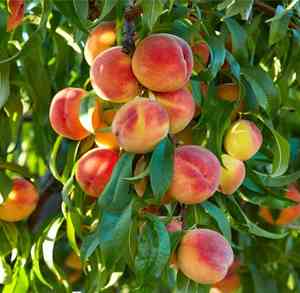
A member of the Rosaceae family, the peach is recognized for its tender pink flowers and succulent produce. Essential pruning methods involve reducing congested branches, eliminating deceased or ailing wood, and sculpting the tree to maximize sun exposure. This horticultural practice should occur in late winter to encourage robust development and fruit yield. Important points to remember include refraining from making cuts on damp days to deter illness and guaranteeing precise cuts for swift recovery. Pruning improves the fruit's dimensions, excellence, and the tree's overall vitality.
What Are the Benefits of Pruning Peach?
What Are the Benefits of Pruning Peach?
Trimming peach encourages fruit production by allowing sunlight to reach the inner parts of the plant, promoting robust development. Regular cutting maintains an open central form, improving air movement to prevent illness and supporting a plentiful yield.
What Is the Best Time for Pruning Peach?
What Is the Best Time for Pruning Peach?
This timing is ideal because peach is inactive during late winter, which reduces the chance of pests and diseases entering through pruning wounds. Additionally, pruning at this time allows for the removal of damaged or diseased wood before the plant uses energy on spring growth, which can enhance the overall health and output of the plant. It also stimulates strong growth in the spring, directs energy towards the development of fruit-bearing wood, and helps maintain the desired tree shape and structure. Pruning after buds emerge can remove potential fruit-producing branches and thus decrease the season's yield.
What Tools Do I Need to Prune Peach?
Hand Pruners (Bypass Type)
Perfect for making precise cuts on peach's smaller branches (up to 3/4 inch in diameter). Bypass pruners encourage healthy regrowth by creating clean cuts without crushing plant tissues.
Lopping Shears
Best for cutting through branches between 3/4 inch and 2 inches in diameter on peach. These long-handled shears offer leverage and reach, minimizing harm to the plant and the gardener.
Pruning Saw
Essential for removing larger limbs from peach that are more than 2 inches in diameter. A sharp pruning saw makes clean cuts, allowing the tree to recover more efficiently.
Pole Pruner
Used for reaching higher branches on peach without needing a ladder, ensuring safety and accuracy in trimming.
Hedge Shears
Useful for shaping and maintaining the canopy of younger peach trees, especially for varieties grown as hedges.
Pruning Gloves
Protecting the gardener's hands from thorns and sharp edges during the pruning of peach is crucial.
Alcohol or Bleach Solution
For sanitizing pruning tools between cuts to prevent disease spread within the peach tree.
How to Prune Peach
Step1: Identify Unhealthy Plant Sections
Examine peach for deadwood, diseased limbs, and suckers. Pinpoint all parts that appear damaged, discolored, or show signs of illness. Look for suckers, which are shoots growing from the base or roots of peach.
Step2: Pruner and Tool Preparation
Prepare pruning tools. Use sharp and sterilized bypass pruners for small branches and loppers or a pruning saw for larger limbs. Clean the tools with rubbing alcohol or a 10% bleach solution to prevent disease transmission.
Step3: Deadwood Removal Technique
Begin by removing all deadwood. Carefully make cuts at a 45-degree angle, about 1/4 inch above a healthy bud or branch, to avoid damaging the main trunk. Ensure that the remaining cut is smooth without jagged edges.
Step4: Diseased Limb Trimming
Next, prune diseased limbs. Cut the affected branch back to healthy tissue. If the entire limb is diseased, make a cut flush with the main trunk or the parent branch without leaving a stub.
Step5: Sucker Shoot Removal
Remove suckers near the base of peach or along the roots. Cut these vigorous shoots back as close as possible to the main trunk, using a sharp knife or pruners, to discourage re-growth.
Step6: Shaping and Main Branch Selection
After removing dead, diseased, and unwanted growth, assess the overall shape of peach. Prune for an open center by selecting 3 to 5 main branches and removing any that cross or grow inward.
Step7: Thinning for Light and Air Flow
Thin out crowded areas to increase light penetration and air circulation within the canopy. Remove any vertical branches, as they are less likely to produce fruit, and retain branches that grow outward at a 45 to 60-degree angle.
Step8: Optimal Pruning Timing
Conduct pruning activities in late winter or early spring while peach is still dormant. This timing reduces the risk of disease and insect infestation, and it allows for vigorous growth in the spring.
Step9: Disposal of Pruned Material
After completing the pruning process, dispose of all removed plant material properly by burning or bagging it, especially if it is diseased, to prevent the spread of pathogens.
Step10: Regular Plant Monitoring
Monitor peach regularly throughout the growing season for additional deadwood, diseases, or suckers, and address them as needed.
Post-Pruning Care for Peach
Post-Pruning Care for Peach
Immediately after pruning peach, disinfect wounds with a solution to prevent infection. Optimize environmental conditions: peach should receive full sunlight, with a temperature range of 65-75°F and moderate humidity. Fertilize peach with a balanced formula to support recovery, avoiding over-fertilization. Regularly inspect peach for wilting, discoloration, or pests, indicative of stress or disease. If present, promptly address with appropriate treatments, ensuring careful water and soil management to promote healthy regrowth.
Common Pruning Mistakes with Peach
Excessive Pruning Stress and Disease Risk
Trimming too much at once which can stress peach, leading to reduced fruit production and increased vulnerability to diseases.
Ignoring Damaged Branches Causes Pest Problems
Ignoring diseased, damaged, or dead branches, which can harbor pests and diseases, negatively affecting the overall health of peach.
Leaving Stubs Open to Pests and Disease
Leaving stubs after cutting branches, which are not only unsightly but can also serve as entry points for pests and diseases.
Flush Cuts Impair Natural Healing
Making flush cuts against the trunk which can harm peach's natural healing process and increase the risk of decay.
Over-Thinning Canopy Leads to Sunscald
Over-thinning the canopy, which can result in excessive sunlight exposure, leading to sunscald on the branches and fruit of peach.
Unclean Tools Increase Infection Chance
Neglecting to use clean, sharp tools which can cause ragged cuts, increasing the likelihood of infection and impairing peach's ability to heal properly.
Common Pruning Tips for Peach
Remove Diseased Wood for Plant Health
Prioritize removing any dead, diseased, or damaged wood to maintain the health and vigor of peach, cutting back to healthy tissue.
Angled Cuts for Growth and Circulation
Make precise, angled cuts above outward-facing buds to direct new growth away from the center of peach, improving air circulation and sunlight penetration.
Selective Pruning to Maintain Plant Structure
Maintain the natural shape and structure of peach by selectively pruning to open up the center, which helps to avoid overcrowding of branches.
Thinning Cuts Improve Canopy and Fruit
Practice thinning cuts to remove entire branches at their point of origin, promoting a more open canopy and thereby improving fruit quality and size.
45-Degree Angle Cuts Aid Healing
Cut branches at a 45-degree angle approximately 1/4 inch above a bud to encourage proper healing and avoid water accumulation on the cut surface.
Clean Tools for Healthy Pruning Cuts
Regularly clean and sharpen pruning tools to make clean cuts, which reduce the risk of spreading disease and ensure a swift healing process for peach.
Staggered Pruning for Overgrown Trees
Stagger the pruning workload over several years if the tree is overgrown, focusing on the most pressing issues first, such as removing crossing or competing branches in peach.



