How to Prune Western brackenfern?
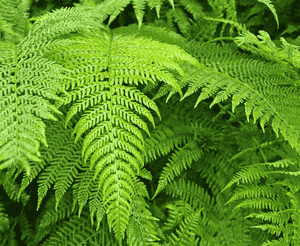
This highly versatile plant, characterized by its expansive, three-sided fronds, western brackenfern, has the potential to spread aggressively. To ensure peak vitality and manage its proliferation, trim any withered or compromised fronds in the early spring or late winter period. This practice stimulates fresh development, preserves its aesthetic appeal, and curtails the species' expansion. Always don gloves and appropriate protective attire, as contact with the plant may cause skin irritation. Furthermore, trimming can diminish the quantity of spores that facilitate its rapid establishment.
What Are the Benefits of Pruning Western Brackenfern?
What Are the Benefits of Pruning Western Brackenfern?
Trimming western brackenfern promotes robust development and helps maintain its form. Regular cutting of this fern can prevent excessive growth in garden areas and foster a tidier landscape appearance.
What Is the Best Time for Pruning Western Brackenfern?
What Is the Best Time for Pruning Western Brackenfern?
These periods are considered ideal for trimming western brackenfern due to various factors. Late winter pruning prepares western brackenfern for new growth by eliminating any dead or damaged fronds before the plant exits dormancy. This timing minimizes the risk of disease and pest infestation, as cuts and wounds can heal quickly with the start of the growth cycle. Early spring offers a similar benefit; it allows gardeners to shape western brackenfern's growth and manage its size as new fronds begin to emerge. Pruning during these seasons also prevents disruption of the plantâs natural cycle of growth and dormancy, ensuring the health and vitality of western brackenfern. Furthermore, since western brackenfern does not produce flowers or fruit, trimming can be performed without concern for impacting these processes.
What Tools Do I Need to Prune Western Brackenfern?
Sharp Hand Pruners
Western brackenfern possesses tough, fibrous stems; thus, sharp hand pruners are crucial for making clean cuts without harming the plant.
Long-Handled Loppers
For reaching into dense clumps of western brackenfern, long-handled loppers offer leverage and distance, which is necessary for safety and ease of cutting.
Pruning Saw
When western brackenfern stems are thicker and more mature, a pruning saw is suitable for cutting through the denser material without straining the hands.
Gloves and Protective Clothing
Western brackenfern can cause skin irritation for some individuals. Therefore, wearing gloves and protective clothing is advised to prevent skin irritation during pruning.
How to Prune Western Brackenfern
Step1: Identifying Fronds for Pruning
Identify the fronds on western brackenfern that require trimming. Focus on locating Diseased fronds, Dead fronds, and Brown fronds. These are the parts of the plant that will be cut to maintain health and appearance.
Step2: Pruning Tool Preparation
Prepare your trimming tools. Use sharp, clean cutting implements such as pruning shears or scissors. Disinfect tools before and after use to prevent the spread of disease.
Step3: Locating Frond Attachment Points
Examine the base of the fronds to find their point of attachment. This is where you will make your cuts. Avoid cutting into the rhizome or the central stipe to prevent harm to western brackenfern.
Step4: Cutting Diseased Fronds
Begin pruning by cutting Diseased fronds first to minimize the risk of infection spread. Cut these fronds at the base, as close to the point of attachment as possible, without damaging emerging fronds or the central crown.
Step5: Removing Dead Fronds
Continue with Dead fronds, which are easily identified by their lack of green color and brittle texture. Remove these by cutting at the base, ensuring clean cuts without leaving stubs that could rot and harbor pests or disease.
Step6: Trimming Partially Brown Fronds
Trim Brown fronds, which may be partially green. Cut the brown areas off if the rest of the frond is healthy. For entirely brown fronds, remove them completely at the base.
Step7: Disposing of Removed Fronds
Dispose of all removed fronds appropriately. Do not compost Diseased fronds; instead, dispose of them with household waste to prevent spreading any pathogens back into the garden.
Step8: Monitoring Plant Post-Pruning
Monitor western brackenfern after pruning for any signs of stress or further disease. Ensure it receives adequate water and is located in optimal growing conditions for the species, which typically includes partial to full shade and well-drained soil.
Step9: Promoting Overall Plant Health
Minimize the need for frequent pruning by maintaining good plant health. This includes providing appropriate water, light, and possibly occasional fertilization depending on your soil conditions.
Post-Pruning Care for Western Brackenfern
Post-Pruning Care for Western Brackenfern
After trimming western brackenfern, immediately ensure optimal environmental conditions; maintain partial shade, high humidity, and moderate temperatures to reduce stress. Apply a balanced fertilizer to promote regrowth, being careful not to over-fertilize, which can hinder the recovery process. Monitor for wilted or discolored fronds as signs of distress. If infection signs like black spots or a foul odor appear, promptly remove affected areas and apply fungicides. Regular observation is key for detecting issues early and allowing for timely intervention.
Common Pruning Mistakes with Western Brackenfern
Over-Pruning Reduces Plant Vigor
Excessive pruning which can lead to stress and reduced vitality in western brackenfern, potentially making it more vulnerable to diseases or environmental stresses.
Blunt or Dirty Tools Harm Plant
Using dull or unclean cutting tools that can damage western brackenfern's fronds and introduce pathogens to the cuts, impeding healthy regrowth.
Lack of Pruning Plan Hurts Plant
Trimming without a clear objective or strategy, leading to unnecessary cutting which can result in an unbalanced appearance and compromise the health of western brackenfern.
Common Pruning Tips for Western Brackenfern
Sterilize Tools to Prevent Disease Spread
Sanitize pruning tools before and after use to prevent the spread of disease within western brackenfern or between different plants.
Prune Only Dead/Damaged Fronds
Remove only the dead or damaged fronds to maintain the health and aesthetics of western brackenfern, cutting them back to their base without harming the central rootstock.
Restrain Pruning, Focus on Health
Exercise restraint during pruning; since western brackenfern doesn't flower, focus on the health of fronds and the overall structure rather than on promoting blooming.



