How to Prune Bradford pear?
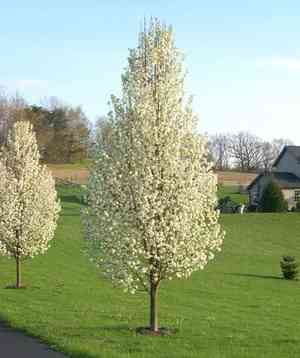
Recognized for its impressive spring flowers, bradford pear is a commonly cultivated decorative tree. Essential trimming methods involve reducing dense branches and eliminating any that intersect to encourage robust architecture and air circulation. Perform pruning in late winter or early spring prior to blooming to lessen strain and the potential for disease. Trimming benefits bradford pear by averting fragile branch unions and controlling its dimensions, thereby decreasing its susceptibility to damage from storms.
What Are the Benefits of Pruning Bradford Pear?
What Are the Benefits of Pruning Bradford Pear?
Trimming bradford pear encourages robust development and preserves its desired form. By selectively removing limbs, gardeners foster a strong framework, decreasing the likelihood of branch breakage and promoting a healthier, visually appealing tree.
What Is the Best Time for Pruning Bradford Pear?
What Is the Best Time for Pruning Bradford Pear?
Pruning in late winter, just before spring growth begins, is ideal as bradford pear is still dormant. This timing minimizes plant stress and reduces the risk of pruning-related illnesses. Early spring pruning is suitable because it allows gardeners to shape the plant before new growth starts, helping to direct bradford pear's energy to desired shoots and improving its structure. Avoiding pruning during flowering or fruiting periods ensures the plant's ornamental value is not diminished and any potential fruit production is not negatively impacted.
What Tools Do I Need to Prune Bradford Pear?
Hand Pruners
Perfect for making precise cuts on smaller bradford pear branches, typically those under 3/4 inches in diameter.
Lopping Shears
Best for cutting through branches between 3/4 inches and 1 1/2 inches thick, offering leverage and reach within the bradford pear canopy.
Pruning Saw
Suitable for larger branches over 1 1/2 inches in diameter, common for mature bradford pear, ensuring clean cuts without harming the tree.
Pole Pruner
Enables safe removal of higher branches without a ladder, crucial as bradford pear can reach considerable heights.
Hedge Shears
Useful for shaping and maintaining the formal appearance of hedges, if bradford pear is grown in such a formation.
How to Prune Bradford Pear
Step1: Timely Pruning Schedule
Determine the optimal time to prune bradford pear, which is late winter or early spring before new growth emerges. This timing helps lessen the risk of pest issues linked to pruning and ensures quick wound healing.
Step2: Removing Dead and Diseased Branches
Begin by eliminating any dead, diseased, or dying wood. Cut these branches back to healthy wood, just outside the branch collar (the swollen area at the branch's base), using clean, sharp tools to make smooth cuts that will heal rapidly.
Step3: Eliminating Weak or Damaged Branches
Inspect bradford pear for weak branches that might be prone to damage or splitting, especially those with narrow crotch angles. Remove these branches similarly to dead wood, cutting at the branch collar without leaving stubs.
Step4: Pruning Vertical Water Sprouts
Trim water sprouts, which are vigorous vertical growths appearing on the trunk and branches, as they won't bear flowers and can detract from the tree's structure. Remove them cleanly at their origin point from the larger branch or trunk.
Step5: Cutting Base Suckers
Remove suckers, which are shoots growing from the base of bradford pear or from its roots. Cut these flush with the main stem or soil line where they emerge to discourage regrowth.
Step6: Thinning for Light and Air Penetration
Shape bradford pear by thinning out crowded branches to allow light and air to permeate the canopy. This involves selectively removing entire branches at their points of origin or shortening them by cutting back to a lateral branch or bud.
Step7: Final Shaping and Balancing
After thinning for shape, step back and assess the overall form of bradford pear. Make any final cuts to balance the shape, but be careful not to remove more than one-third of the tree's canopy in a single season, as this could harm bradford pear.
Step8: Post-Pruning Cleanup and Tool Sterilization
Clear all cut material from around bradford pear, discarding diseased branches to prevent disease spread. Also, sterilize your pruning tools with a solution of 1 part bleach to 9 parts water after completion to avoid contaminating other plants.
Post-Pruning Care for Bradford Pear
Post-Pruning Care for Bradford Pear
After trimming bradford pear, immediately ensure clean cuts to prevent infection. Optimal recovery requires a location with partial sun and consistent humidity. Avoid sudden temperature shifts. Post-pruning, apply a balanced fertilizer to boost nutrients without encouraging excessive new growth vulnerable to pests or diseases. Monitor bradford pear for wilting or discoloration indicating stress. Inspect cuts for oozing or unusual marks as signs of infection, and treat promptly with recommended fungicides or bactericides if necessary.
Common Pruning Mistakes with Bradford Pear
Over-Pruning
Removing too much at once, which can stress bradford pear and make it susceptible to disease.
Dull/Unclean Tools
Using blunt or dirty pruning tools, leading to jagged cuts and potential infection.
Ignoring Weak Branches
Neglecting weak, narrow-angled branches, which can cause structural problems as bradford pear matures.
Improper Cut Location
Not making cuts at the correct spot, potentially damaging the remaining branch collar and hindering healing.
Excessive Canopy Removal
Removing too much of the canopy, which can diminish bradford pear's overall vigor and bloom potential.
Harmful Tree Topping
Topping bradford pear trees, a practice that results in weak new growth and increases the risk of branch failure.
Common Pruning Tips for Bradford Pear
Sharp, Clean Cuts
Utilize sharp, clean pruning tools to make precise cuts that heal quickly, thereby preventing disease entry.
Structural Integrity Focus
Prune to maintain structural soundness, concentrating on removing branches that are poorly attached, crossing, or rubbing against each other.
Proper Cut Position
Make cuts just outside the branch collar to promote proper healing and prevent damage to the main trunk or remaining branches.
Selective Canopy Thinning
Thin out the canopy selectively to improve air circulation and light penetration, helping bradford pear maintain healthy growth and flowering.
Natural Shape Retention
Preserve the tree's natural shape by following its existing form, avoiding over-pruning or creating unnatural shapes that stress the tree.
Early Structural Training
Address structural issues when bradford pear is young, establishing a strong foundation for future growth and reducing the need for extensive pruning later on.



