How to Prune Sawtooth oak?
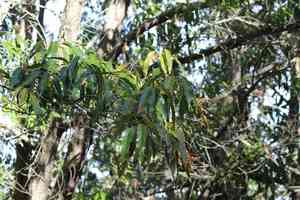
This tree, which sheds its leaves and features serrated foliage along with acorn production, flourishes when properly trimmed. For sawtooth oak, eliminate any deceased or frail branches to foster robust development. Conduct pruning in the latter part of winter or early spring, prior to the emergence of new growth. Strategic thinning cuts enhance light exposure and air circulation, both crucial for the well-being of sawtooth oak. Exercise restraint to avoid excessive pruning, as this can diminish the yield of acorns. Trimming also aids in preserving its form, thereby averting potential harm from weighty branches.
What Are the Benefits of Pruning Sawtooth Oak?
What Are the Benefits of Pruning Sawtooth Oak?
Trimming sawtooth oak promotes robust development and helps maintain its desired form. It encourages new, healthy limbs, ensuring a strong framework and improving visual appeal. Regular trimming also assists in size management and fostering better tree health.
What Is the Best Time for Pruning Sawtooth Oak?
What Is the Best Time for Pruning Sawtooth Oak?
During late winter and early spring, sawtooth oak is typically dormant, making this the optimal period for pruning without stressing the tree. Pruning before the spring growth surge allows the plant to recover and direct energy to new growth effectively. This timing also avoids the sap flow that occurs in late spring and summer, which can attract pests and lead to diseases. Additionally, the absence of leaves during this time provides better visibility of the plantâs structure, enabling more precise cuts and maintenance. Pruning outside these recommended seasons could disrupt sawtooth oak's growth cycle and diminish its vigor and fruiting capacity.
What Tools Do I Need to Prune Sawtooth Oak?
Bypass Pruners
Essential for making clean cuts on small branches of sawtooth oak up to about 3/4 inch in diameter. They operate like scissors, allowing for precise cuts that facilitate healing.
Loppers
Useful for cutting slightly larger branches, typically up to 1 1/2 to 2 inches in diameter. They offer greater leverage and reach, ideal for shaping sawtooth oak or removing damaged limbs.
Pruning Saw
Necessary for cutting branches over 2 inches in diameter. A curved blade pruning saw can make it easier to reach and cut through the thicker branches of sawtooth oak.
Pole Pruner
Helps to safely trim higher branches of sawtooth oak without the use of a ladder. They come in various lengths and can be fitted with a saw or a lopper head.
Hedge Shears
Appropriate for shaping and trimming hedges formed by sawtooth oak, particularly when aiming for a formal appearance with straight lines.
Gloves
Provide protection for the hands when pruning sawtooth oak, as the tree may have sharp twigs or branches.
Safety Glasses
Protect the eyes from falling debris, dust, or wood chips that may result from cutting branches of sawtooth oak.
How to Prune Sawtooth Oak
Step1: Tool Selection and Sterilization
Choose the appropriate pruning tools for sawtooth oak, including sharp bypass pruners for smaller branches, loppers for medium-sized branches, and a pruning saw for thicker limbs. Sterilize the tools before use to prevent the spread of disease.
Step2: Identifying Dead Wood
Locate dead wood on sawtooth oak by looking for branches that are no longer producing foliage, are brittle, and have a gray or dark brown color. Dead wood may be found throughout the tree and should be removed to improve health and appearance.
Step3: Clean Cuts for Dead Wood Removal
Carefully make clean cuts when removing dead wood, cutting just above a healthy branch collar to encourage proper wound healing. Use the three-cut method for larger branches: first, an undercut about 12-18 inches from the trunk, second, an outward cut a few inches beyond the undercut to remove the branch tip, and third, a final cut just outside the branch collar.
Step4: Diseased Limbs Identification
Inspect sawtooth oak for diseased limbs, which may exhibit signs such as unusual growths, discoloration, or oozing. Isolate these branches from the rest of the tree by cutting them off at their point of origin or back to a healthy lateral branch.
Step5: Disinfecting Tools After Disease Cuts
When cutting diseased limbs, immediately clean your pruning tools with a solution of 1 part bleach to 9 parts water to avoid contaminating healthy parts of sawtooth oak.
Step6: Assessing Weak Branches
Evaluate sawtooth oak for weak branches, which often grow at acute angles and are prone to damage or breakage. Weak branches can also be identified if they show excessive movement in the wind.
Step7: Pruning Weak Branches in Dormancy
Prune weak branches of sawtooth oak during the dormant season when the tree is less susceptible to stress and pests. Remove these branches by cutting them back to a main limb or the trunk without leaving stubs.
Step8: Thinning for Light and Air Circulation
Shape sawtooth oak by thinning out overcrowded areas to improve light penetration and air circulation, thus reducing the chance of disease. Focus on branches that cross or rub against each other, and retain the tree's natural shape as much as possible.
Step9: Avoiding Over-Pruning
Make sure not to over-prune sawtooth oak. Generally, removing more than 25% of a tree's canopy in one season can stress the tree and make it vulnerable to pests and diseases.
Step10: Disposal of Pruned Material
After pruning sawtooth oak, dispose of the removed material, especially diseased limbs, off-site to prevent the spread of any potential pathogens.
Step11: Post-Pruning Monitoring and Care
Monitor sawtooth oak after pruning for signs of stress or infection. Provide adequate water and mulch to promote healthy regrowth and protect the tree from extreme temperatures.
Post-Pruning Care for Sawtooth Oak
Post-Pruning Care for Sawtooth Oak
Immediately after pruning sawtooth oak, clean the cuts with a solution to prevent infection. Maintain a stable environment; avoid full sun and provide moderate humidity and temperatures. Fertilize with a balanced formula to aid recovery but avoid over-fertilization that can promote sappy growth, attracting pests. Ensure adequate hydration without waterlogging. Monitor sawtooth oak for wilt, discoloration, or oozing sap, indicative of stress or infection. If symptoms are present, consult a horticulturist for appropriate treatment options.
Common Pruning Mistakes with Sawtooth Oak
Over-Pruning: Excessive Canopy Removal Harms Plant
Over-pruning, which can stress sawtooth oak and possibly lead to poor health and growth. Removing more than 25-30% of the canopy in one season can be harmful.
Ignoring Plant's Natural Shape: Leads to Aesthetic and Health Issues
Ignoring the natural shape of sawtooth oak, leading to a less aesthetically pleasing and potentially less healthy tree. Pruning without considering the branch structure can result in a lopsided or weakened tree.
Improper Branch Cutting: Damages Plant Healing Process
Cutting branches flush to the trunk, which can remove the branch collar and result in improper healing and increased susceptibility to diseases and pests.
Using Dull or Unclean Tools: Increases Infection Risk
Using dull or unclean tools, which can make rough cuts that are more prone to infection and can spread diseases from one plant to another.
Not Removing Problematic Branches: Causes Decay and Structural Damage
Neglecting to remove dead, diseased, or crossing branches, which can lead to further decay and structural issues in sawtooth oak.
Topping or Shearing: Destroys Plant's Form and Promotes Weak Sprouts
Topping or indiscriminately shearing sawtooth oak, which can destroy its natural form and promote the growth of weak, fast-growing water sprouts.
Common Pruning Tips for Sawtooth Oak
Sharp, Clean Tools: Ensure Efficient Healing and Disease Prevention
Use sharp, clean pruning tools to make clean cuts that sawtooth oak can heal from quickly and efficiently, thus minimizing the risk of disease.
Prune With Natural Growth Habit: Maintains Shape and Strength
Follow the natural growth habit of sawtooth oak when pruning, maintaining its characteristic form and enhancing its structural integrity.
Correct Pruning Cuts: Protects Trunk and Promotes Healing
Make pruning cuts just outside the branch collar, not flush with the trunk, to support proper healing and prevent damage to sawtooth oak's trunk.
Canopy Thinning: Prevents Disease and Wound from Crossing Branches
Thin the canopy to let light and air filter throughout sawtooth oak, checking for any rubbing or crossing branches and removing them to prevent wounds and diseases.
Inspect and Remove Problematic Branches: Keeps Tree Healthy
Regularly inspect sawtooth oak for dead, diseased, or damaged branches and remove them promptly to maintain the tree's overall health and vigor.
Spread Pruning Over Seasons: Reduces Plant Stress
Avoid heavy pruning in a single session; spread out the necessary pruning over several seasons to reduce stress on sawtooth oak.



