How to Prune Turkey oak?
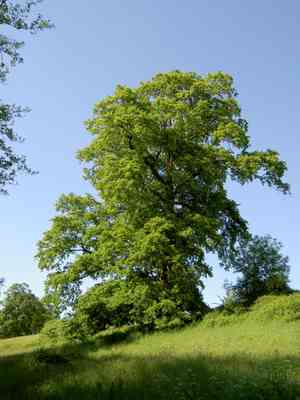
The turkey oak, a deciduous tree admired for its decorative bark and distinctive lobed foliage, flourishes most effectively with regular trimming. Essential methods involve reducing dense branches to improve light exposure and air circulation, excising dead or ailing wood, and sculpting for structural integrity and symmetry. The ideal period for pruning is from late winter to early spring, thereby preventing the sap leakage often seen with cuts made later in spring. This practice boosts vitality, diminishes the likelihood of illness, and preserves an attractive appearance, which is crucial for this resilient oak variety.
Advantages of Trimming Turkey Oak
Advantages of Trimming Turkey Oak
Trimming turkey oak promotes robust development and helps maintain its form, fostering a strong structure and an appealing appearance. It can also lessen disease risk by improving air circulation within the canopy.
Optimal Time for Pruning Turkey Oak
Optimal Time for Pruning Turkey Oak
The recommended pruning periods for turkey oak align with the time just before spring growth begins, ensuring the plant's energy is directed toward recovery and new development. In late winter, turkey oak is typically dormant, reducing sap flow and the chance of bleeding from cuts, which helps prevent stress and illness. Early spring pruning coincides with the period just before rapid growth starts, ensuring quick wound closure and minimal interference with the upcoming growing season. It is also a time before new buds fully develop, minimizing the impact on the year's flowering and potential acorn production. These seasons help maintain the structural integrity and health of turkey oak, while avoiding the stress of summer heat and the likelihood of infection from pests and diseases that are more active in warmer months.
Required Tools for Pruning Turkey Oak
Hand Pruners
Essential for cutting smaller branches of turkey oak, typically up to 3/4 inches in diameter. Select bypass pruners for clean cuts on live wood.
Lopping Shears
Perfect for branches too thick for hand pruners but not exceeding 2 inches in diameter. The long handles provide leverage for easier cutting.
Pruning Saw
Needed for removing larger limbs from turkey oak that loppers cannot manage. A curved blade pruning saw can make the task more efficient.
Pole Pruner
Useful for trimming higher branches without needing a ladder. A pole pruner with both a saw and a lopper attachment is very practical.
Hedge Shears
Helpful if shaping is required on younger or smaller specimens of turkey oak, though this is not a common practice for mature trees.
Chainsaw
For extensive work or the removal of substantial limbs of turkey oak, especially during tree removal or heavy pruning tasks. It should be operated by a trained professional.
How to Prune Turkey Oak
Identify
Thoroughly inspect turkey oak to locate dead or diseased branches. These may show signs of decay, discoloration, or lack of foliage.
Sterilize
Before cutting, ensure all pruning tools are disinfected to prevent disease spread.
Cut Dead Branches
Use sharp secateurs or a saw to remove dead branches from turkey oak at the point where they meet healthy wood, making clean, angled cuts to facilitate water runoff and prevent rot.
Remove Diseased Branches
Carefully remove diseased branches from turkey oak, cutting well below the affected area to help prevent disease spread, disposing of the material safely, and avoiding composting it.
Wounds
After pruning, inspect all cuts and wounds on turkey oak to ensure they are clean and smooth; do not apply wound dressing, as turkey oak is capable of healing naturally.
Common Pruning Errors with Turkey Oak
Over-Pruning
Removing too much foliage can stress turkey oak, hindering its normal growth and potentially leading to disease or dieback.
Improper Cuts
Incorrect cutting techniques can cause unnecessary wounds to turkey oak that may invite pests and pathogens, hindering the tree's natural healing process.
Flush Cutting
Cutting branches flush against the trunk removes the branch collar, which is essential for proper wound closure and can lead to decay entering the trunk.
Pruning During Active Growth
While the best season is not to be mentioned, pruning during periods of active growth can divert energy from important processes like flowering and root development.
Ignoring Deadwood
Failing to remove dead or diseased branches can lead to the spread of decay and pathogens within turkey oak.
Not Sterilizing Tools
Using unsterilized tools can spread disease from infected plants to healthy areas of turkey oak or to other plants.
General Pruning Advice for Turkey Oak
Correct Tools
Use sharp, clean pruning tools. This ensures clean cuts that heal quickly and reduces the risk of spreading disease.
Angle Cuts
Make cuts at a slight angle away from the bud to prevent water accumulation and subsequent rot or infection.
Branch Collar
When removing larger branches, always cut just outside the branch collar to promote efficient healing.
Thin Out
Thin out dense areas to increase light penetration and air circulation, which are vital for the health of turkey oak.
Heading Back
Lightly 'heading back' the previous year's growth can encourage bushier growth without excessively reducing the tree's size.
Clean Cuts
Ensure that every cut is clean and smooth to help turkey oak heal quickly and reduce the likelihood of disease entry.
1/3 Rule
Never remove more than one-third of the tree's crown in a single season to prevent undue stress to turkey oak.
Protective Gear
Wear appropriate protective gear when pruning turkey oak to prevent personal injury from falling branches or sharp tools.



