How to Prune Canyon live oak?
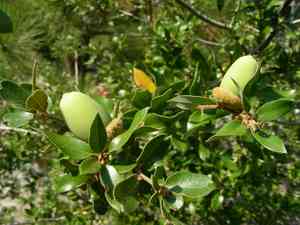
This perennial tree, recognized for its thick, deep-green leaves and acorn yield, flourishes in diverse environments. For canyon live oak, trimming ought to concentrate on eliminating deceased, ailing, or compromised limbs to uphold the tree's well-being. Optimal pruning occurs in winter, during its inactive phase, to lessen sap leakage and susceptibility to illness. Thinning cuts enhance light and air circulation, while retaining the inherent form. Pruning additionally stimulates fresh development and can boost acorn output, which is vital for indigenous fauna.
Advantages of Trimming Canyon Live Oak
Advantages of Trimming Canyon Live Oak
Trimming canyon live oak encourages robust development and helps preserve its form, ensuring a sturdy framework and an appealing look.
Optimal Time for Trimming Canyon Live Oak
Optimal Time for Trimming Canyon Live Oak
During winter, canyon live oak enters a dormant phase where active growth ceases. This dormancy permits pruning without significantly disrupting the plant's growth cycle or depleting its energy reserves. Pruning in this season minimizes the risk of disease and pest infestations, as both are generally less active in colder weather. Additionally, the absence of leaves provides better visibility of the plant's structure, allowing for more precise cuts. Pruning before the spring growth spurt also enables canyon live oak to heal pruning wounds quickly and direct energy into new growth in the upcoming season.
Tools Required for Trimming Canyon Live Oak
Hand Pruners
Perfect for cutting small branches [up to 3/4 inch] on canyon live oak. They ensure clean cuts that promote the plant's healthy recovery.
Loppers
Ideal for medium-sized branches [up to 2 inches] of canyon live oak, which hand pruners cannot manage. The long handles provide leverage for easier cutting.
Pruning Saw
Essential for larger branches [more than 2 inches] on canyon live oak. A saw allows cutting through thick wood without harming the plant.
Pole Pruner
Useful for reaching higher branches of canyon live oak without needing a ladder, enhancing safety and efficiency in pruning tasks.
Pruning Shears
Suitable for shaping and snipping off smaller, delicate new growth or errant branches on canyon live oak, allowing for precision and minimal damage to the plant.
How to Trim Canyon Live Oak
Step1: Dormant Season Pruning Assessment
Evaluate canyon live oak for pruning requirements during its dormant period, which is late winter or early spring, to minimize sap loss and disease spread.
Step2: Pruning Tool Sterilization
Sanitize your pruning tools with a solution such as one part bleach to nine parts water or rubbing alcohol to prevent disease transmission.
Step3: Dead Limb Identification and Removal
Identify dead limbs by their lack of foliage and dried-out appearance. Cut these at the base where they meet healthy wood, using a clean, sharp pair of loppers or a handsaw, depending on the limb size.
Step4: Diseased Wood Detection and Cutting
Look for diseased wood, which may appear discolored, have unusual growths, or show signs of decay. Make cuts well into healthy tissue, at least a few inches below the diseased sections. Dispose of diseased material properly.
Step5: Damaged Branch Pruning
Inspect canyon live oak for branches damaged by weather or external forces. Prune these branches back to the nearest lateral branch or outward-facing bud to encourage proper growth direction.
Step6: Proper Cutting Angle Technique
For each cut you make, aim for an angle that slopes away from the bud or branch, ensuring that water runs off the cut surface to reduce the risk of disease.
Step7: Branch Collar Preservation during Cuts
Avoid cutting into the branch collar (the swollen area where the branch meets the trunk) as it contains important tissue for wound healing. Make your cut just outside the branch collar without leaving a stub.
Step8: Three-Cut Method for Large Branches
For larger branches, use the three-cut method to prevent bark tearing: First, make a notch on the underside of the branch, about a foot away from the trunk. Second, move outwards a few inches and saw through the branch from the top. Lastly, make a final cut just outside the branch collar to remove the stub.
Step9: Application of Wound Dressing
Seal all wounds larger than an inch in diameter with a tree wound dressing or pruning paint to help prevent decay and insect infestation.
Step10: Canopy Thinning for Light and Air
Thin the canopy if necessary to allow light and air to penetrate to the inner branches, making selective cuts to remove no more than 25% of live foliage in one season.
Step11: Post-Pruning Clean Up
Clean up all debris from pruning to reduce the likelihood of diseases or pests affecting canyon live oak.
Step12: Post-Pruning Monitoring and Maintenance
Monitor the tree after pruning for signs of stress, disease, or unwanted growth patterns, and conduct follow-up pruning in subsequent seasons as necessary.
Post-Trimming Care for Canyon Live Oak
Post-Trimming Care for Canyon Live Oak
Following pruning, immediately water canyon live oak to reduce stress. Position canyon live oak in an environment with stable humidity and temperature, ensuring adequate but not excessive sunlight. Introduce balanced, slow-release fertilizer to replenish nutrients. Monitor canyon live oak routinely for wilted leaves or discolored bark, which may indicate stress or infection. If such signs appear, reduce stressors and consider consulting a plant health expert for possible treatment options.
Common Trimming Errors with Canyon Live Oak
Over-pruning causes stress and vulnerability
Removing too much foliage at once, which can stress canyon live oak and make it susceptible to diseases and pests.
Unsterilized tools risk disease transmission
Pruning without sterilizing tools, leading to the potential transmission of diseases between canyon live oak and other plants.
Improper branch cutting damages tree collar
Cutting branches flush to the trunk, which can damage canyon live oak's collar and so impede proper healing and encourage decay.
Tearing bark with poor cutting technique
Tearing the bark when removing larger branches, which can create large wounds that are slow to heal and may introduce pathogens.
Ignoring removal of problematic branches
Neglecting to remove weak, dead, or crossing branches that could cause damage in the long term or provide entry points for disease.
Common Trimming Tips for Canyon Live Oak
Sharp, clean tools for healthy cuts
Use sharp, clean pruning tools to make clean cuts on canyon live oak, which help promote faster healing and reduce the risk of disease.
Prune for natural shape and structure
Prune to maintain the natural shape of canyon live oak, focusing on removing only the necessary branches while encouraging the tree's aesthetic and structural integrity.
Notch under branch to prevent bark tearing
When cutting larger branches on canyon live oak, make a small notch on the underside of the branch before making the final cut to prevent the bark from tearing.
Angle cuts above branch collar for runoff
Always cut above a branch collar and at a slight angle away from canyon live oak's trunk to facilitate water runoff and prevent decay.
Remove suckers and water sprouts
Remove any suckers from canyon live oak's base and water sprouts from branches, as they can deplete the tree's energy reserves and don't contribute to its structural form.



