How to Prune Shingle oak?
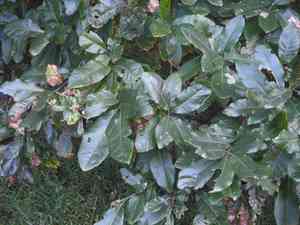
This leafy tree, recognized for its expansive crown and lustrous foliage, thrives with appropriate trimming. For shingle oak, the most effective pruning strategy focuses on eliminating deceased or compromised branches to foster robust development and preserve its form. The ideal times for pruning are late winter or early spring, prior to the emergence of new shoots. It is crucial to execute precise cuts and refrain from excessive pruning, which safeguards the tree's vigor and aesthetic, concurrently deterring the ingress of pathogens.
What Are the Benefits of Pruning Shingle Oak?
What Are the Benefits of Pruning Shingle Oak?
Trimming shingle oak promotes robust development and maintains its desired form. It aids in eliminating dead or diseased wood, enhances air circulation, and redirects energy to healthier limbs, improving the plant's overall vitality and visual appeal.
What Is the Best Time for Pruning Shingle Oak?
What Is the Best Time for Pruning Shingle Oak?
These periods are considered ideal for trimming shingle oak primarily because of its dormancy during the colder months. Late winter pruning reduces the chance of cold damage to fresh cuts and allows for a clear view of the tree's structure without leaves. Early spring pruning coincides with the start of shingle oak's growth cycle, encouraging quick wound healing before the surge of spring growth. Additionally, it prevents disruption to shingle oak's flowering or fruiting phases as the tree is still in the initial stages of breaking dormancy. This timing also helps lessen the likelihood of disease or pest infestation, as many pests and pathogens are less active in cooler temperatures. By adhering to these guidelines, gardeners can help ensure the vigor and structural soundness of shingle oak, while enabling a healthy burst of new growth in the subsequent season.
What Tools Do I Need to Prune Shingle Oak?
Hand Pruners
Perfect for making clean cuts on smaller branches of shingle oak, typically up to 3/4 inches in diameter.
Loppers
Equipped with long handles for leverage, loppers are excellent for cutting branches of shingle oak up to 2 inches in diameter.
Pruning Saw
For larger branches exceeding 2 inches in diameter, a pruning saw can be utilized to make precise cuts without harming shingle oak.
Hedge Shears
Useful for shaping the foliage of shingle oak if a formal hedge appearance is desired.
Pole Pruner
Allows for the safe trimming of higher branches on shingle oak without requiring ladders.
How to Prune Shingle Oak
Step1: Timing Pruning for Optimal Plant Health
Determine the best time of year to trim shingle oak, which is typically late winter to early spring before bud break to minimize sap loss and reduce stress on the tree.
Step2: Removing Dead Wood from Plants
Inspect shingle oak for any dead wood, identifiable by a lack of leaves, brittle branches, and dry, cracking bark. These branches should be removed at their origin to maintain tree health.
Step3: Identifying and Cutting Diseased Limbs
Check shingle oak for diseased limbs, which may exhibit signs of fungal growth, discoloration, or decay. When removing these, make cuts well below the affected areas to prevent disease spread.
Step4: Pruning for Sunlight and Air Circulation
Assess the tree structure of shingle oak for any old growth that might be impeding sunlight penetration or air circulation. Such limbs are typically thicker, with darker bark and may show less vigor.
Step5: Preparing Pruning Tools for Clean Cuts
Clean and sharpen your pruning tools before beginning to ensure clean cuts and reduce the risk of disease transmission to shingle oak.
Step6: Three-Cut Method for Large Limbs
Employ the three-cut method for removing larger limbs on shingle oak: First, make an undercut a few inches from the trunk to prevent bark tearing. Second, cut completely through the limb from the top, an inch or two beyond the first cut to remove the limb's weight. Finally, make the third cut just outside the branch collar at the base of the limb for proper healing.
Step7: Angle Cuts for Healthy Regrowth
For smaller branches and twigs on shingle oak, make your cuts at a 45-degree angle just above a budding site or branch collar to encourage healthy regrowth and prevent water accumulation that could lead to decay.
Step8: Avoiding Harmful Topping Practices
Avoid 'topping' or cutting back the main branches of shingle oak to stubs, as this can result in weak new growth and increased susceptibility to pests and diseases.
Step9: Debris Cleanup After Pruning
After trimming shingle oak, clear away the debris to prevent the potential spread of pests or diseases that were on the removed limbs.
Step10: Post-Pruning Care for Recovery
If you've removed a significant amount of growth from shingle oak, ensure proper care in the subsequent months, including watering during dry periods and potentially providing a balanced fertilizer to support recovery.
Step11: Annual Pruning Inspection and Moderation
Inspect shingle oak annually for pruning needs but avoid over-pruning; typically, no more than 25% of the crown should be removed in a single year to maintain tree health and vigor.
Post-Pruning Care for Shingle Oak
Post-Pruning Care for Shingle Oak
After trimming shingle oak, ensure cuts are clean to aid healing. Position shingle oak in a spot with ample sun and circulating air to lessen disease risk. Maintain consistent soil moisture, avoiding overwatering. Post-pruning fertilization should be postponed until active growth resumes. Monitor shingle oak regularly for wilting or discoloration, indicating stress or infection, and treat promptly with appropriate fungicides or pest control measures if necessary.
Common Pruning Mistakes with Shingle Oak
Excessive pruning
Trimming too much at once, which can stress shingle oak and lead to poor health or growth.
Dull or dirty pruning tools
Using blunt or unclean tools, which can harm shingle oak's branches and leave them vulnerable to disease.
Ripping instead of cutting branches
Tearing or ripping branches, instead of making clean cuts, which can damage shingle oak's cambium layer and hinder proper healing.
Lack of pruning objective
Trimming without a clear goal, which can result in an unbalanced shape or the removal of too many flowering buds.
Ignoring problematic branches
Neglecting to remove dead, diseased, or crossing branches, which can affect the overall health and appearance of shingle oak.
Common Pruning Tips for Shingle Oak
Use sharp, clean tools
Ensure tools are sharp and clean before starting to trim shingle oak, to make precise cuts and minimize the risk of disease transmission.
Selective pruning for health
Trim selectively, focusing on removing only dead, diseased, or interlocking branches to maintain the health and structural integrity of shingle oak.
Angle cuts for outward growth
Make cuts at a 45-degree angle just above outward-facing buds or branches, to promote outward growth and improve air circulation within shingle oak's canopy.
Canopy thinning for light and air
Thin out the canopy of shingle oak to allow light and air to penetrate the inner branches, encouraging healthy growth and reducing the risk of disease.
Prune with natural shape in mind
Maintain the natural shape of shingle oak when trimming, avoiding over-pruning or shaping that goes against the tree's natural form.



