How to Prune Laurel oak?
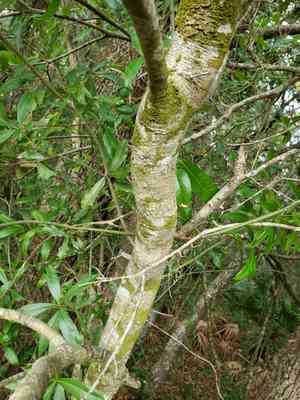
A hardwood species that sheds its leaves, recognized for its impressive height and lustrous foliage, laurel oak flourishes with consistent upkeep. Trim to eliminate deceased or compromised branches, refine its form, and boost light exposure. The most effective time for pruning is in late winter or early spring, while the tree is dormant, to avoid sap exudation. It is crucial to avoid excising more than one-third of the living canopy, and incisions should be executed just beyond the branch collar to encourage robust development. Pruning benefits laurel oak by improving its visual appeal and deterring ailments.
What Are the Benefits of Pruning Laurel Oak?
What Are the Benefits of Pruning Laurel Oak?
Trimming laurel oak promotes new development and maintains its desired shape. Strategic cuts enhance light penetration and air movement, vital for a sturdy structure and vigorous overall well-being.
What Is the Best Time for Pruning Laurel Oak?
What Is the Best Time for Pruning Laurel Oak?
Trimming laurel oak in late winter or early spring aligns with the tree's dormant phase, just before spring growth commences. This timing allows the tree to recover from cuts without the metabolic strain of active growth. Pruning during dormancy lowers the risk of pest and disease issues, as many are less active then. Additionally, the absence of leaves offers better visibility of the tree's structure, simplifying the identification and removal of dead or diseased wood, crossing branches, or unwanted growth. It also prevents sap loss common in species that bleed when pruned in late spring or summer. Furthermore, pruning before the spring growth spurt means new growth will quickly follow, helping to seal wounds and reduce the entry of decay agents. These practices help maintain laurel oak's overall health, structure, and aesthetic form, while minimizing stress on the plant.
What Tools Do I Need to Prune Laurel Oak?
Hand Pruners
Essential for making precise cuts on small branches up to 1 inch in diameter, ensuring minimal harm to laurel oak's overall health.
Loppers
With extended handles for leverage, ideal for slightly larger branches of laurel oak that are 1 to 2 inches thick, allowing for cutting without user strain.
Pruning Saw
Required for cutting branches exceeding 2 inches in thickness, particularly for older, mature laurel oak trees where significant limb removal might be necessary.
Pole Pruner
Useful for reaching elevated branches without needing a ladder, enhancing safety during the trimming of tall laurel oak specimens.
Chainsaw
For extensive pruning of laurel oak, such as removing large limbs or substantial tree sections. To be operated only by experienced individuals or professionals.
Personal Protective Equipment (PPE)
Includes gloves, safety glasses, and a hard hat, ensuring the gardener's safety when trimming laurel oak.
How to Prune Laurel Oak
Clean Cut
Sanitize your pruning tools with a solution of 1 part bleach to 9 parts water to prevent disease transmission when cutting laurel oak.
Dead Removal
Remove any dead branches from laurel oak by making a clean cut at the branch's base, close to the trunk. For large branches, use the 'three-cut method': make an undercut a few inches from the trunk, then cut down from the top a few inches further out to prevent bark tearing, and finally remove the stub at the branch collar.
Diseased Care
Identify and trim diseased branches on laurel oak by looking for discoloration, unusual growths, or signs of insect infestation. Cut branches at least several inches below the affected area to ensure complete removal of diseased tissue.
Wound Dressing
Avoid applying wound dressing or pruning paint on laurel oak, as these products can impede the tree's natural healing process.
Disposal
Properly dispose of removed branches, especially diseased ones, by burning them or discarding them far from healthy laurel oak trees to prevent pathogen spread.
Common Pruning Mistakes with Laurel Oak
Overpruning
Removing too much foliage at once can stress laurel oak, leading to stunted growth and reduced overall vitality.
Improper Cut Locations
Cutting too far from a bud or failing to make angled cuts can lead to water accumulation, increasing the risk of disease and decay.
Pruning During Active Diseases Or Infestation
Trimming when laurel oak is actively infested by pests or diseases can spread the problem to healthy parts of the plant.
Tearing Bark
An improper cut can tear the bark and damage laurel oak's vascular system, hindering nutrient transport and recovery.
Neglecting Tool Hygiene
Using unsanitized tools can introduce pathogens to laurel oak's pruning wounds, leading to infections.
Ignoring Disease Prone Areas
Failure to remove diseased or damaged wood can leave laurel oak susceptible to further infestation and disease.
Common Pruning Tips for Laurel Oak
Sharp Tools
Use sharp, clean pruning shears to make precise cuts that laurel oak can heal from more easily and quickly.
Cut Angle
Make cuts at a 45-degree angle away from a bud to ensure optimal healing and prevent water accumulation that could cause rot.
Branch Collar
Cut just outside the branch collar without damaging it, which is vital for proper wound closure and preventing disease entry.
Size Consideration
Focus on removing branches less than 5 cm in diameter, as larger cuts can harm laurel oak's longevity and health.
Damaged Limbs
Prioritize removing limbs that are dead, diseased, or damaged to help maintain the overall health of laurel oak.
Interior Thinning
Thin out the interior canopy of laurel oak to increase light penetration and air circulation, important factors for reducing disease pressure and promoting strong growth.



