How to Prune Valley oak?
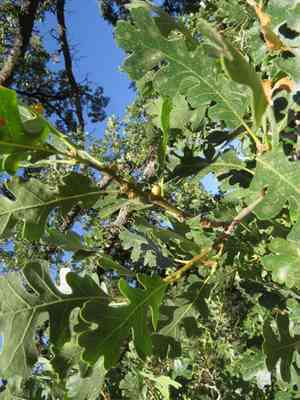
This impressive deciduous tree, indigenous to Californian valleys and recognized for its magnificence and extended lifespan, necessitates meticulous trimming to preserve its well-being and framework. Essential methods for valley oak involve reducing dense branches, excising deceased or ailing wood, and sculpting the crown for ideal solar exposure. Perform pruning in late winter or early spring to lessen strain and foster robust development. Appropriate trimming boosts vigor, averts branch fractures, and promotes a sturdy, evenly balanced shape.
Advantages of Trimming Valley Oak
Advantages of Trimming Valley Oak
Trimming valley oak promotes robust development and preserves its form, ensuring a strong framework and visual appeal. This species-specific process contributes to the tree's well-being and longevity.
Optimal Period for Trimming Valley Oak
Optimal Period for Trimming Valley Oak
These periods are ideal for several reasons. Trimming in late winter allows cuts to heal before the spring growth surge. This timing reduces exposure to pests and diseases, which are less active in cooler weather. Early spring trimming aligns with the start of valley oak's growth cycle, enabling the plant to direct energy towards new, healthy growth. It also prevents the removal of buds that would become current year's leaves and branches, crucial for photosynthesis and overall energy production of valley oak. Furthermore, avoiding trimming during active growth, especially late spring and summer, helps prevent stress and excessive sap loss. Trimming during dormancy, when the tree is not actively growing, results in less sap flow and thus less stress on valley oak.
Tools Required for Trimming Valley Oak
Hand Pruners
Suitable for cutting small branches, typically up to 1 inch in diameter, on young valley oak trees or for precise trimming of twigs and small shoots.
Lopping Shears
Ideal for cutting branches between 1 and 2 inches in diameter, especially useful for shaping the canopy of young valley oak or removing larger branches that hand pruners cannot manage.
Pruning Saw
Designed for cutting branches over 2 inches in diameter, this tool is essential for managing mature valley oak limbs or removing deadwood without harming the tree.
Pole Pruner
Allows for reaching higher branches safely from the ground, minimizing the need for ladders when trimming a valley oak. It typically combines a saw and a lopper for versatility.
Chainsaw
Useful for large-scale trimming jobs or when removing major limbs of a mature valley oak, but should be handled with extreme care and preferably by professionals.
Hedge Shears
Not typically recommended for valley oak, as this tool is intended for shaping hedges rather than managing tree limbs.
Safety Equipment
Gloves, safety goggles, and helmets should always be used when trimming valley oak to protect against injuries from falling branches and tool usage.
How to Trim Valley Oak
Step1: Identify Best Trimming Season
Identify the optimal season for trimming valley oak, which is typically late winter to early spring, before new growth begins but after the threat of severe frost has passed to minimize sap loss and disease risk.
Step2: Sanitize Trimming Equipment
Sanitize all trimming tools with a solution of one part bleach to nine parts water to prevent the spread of disease.
Step3: Check for Deadwood and Disease
Check valley oak thoroughly for deadwood, identifiable by its dry, brittle, and discolored appearance compared to healthy wood. Look for any diseased limbs, indicated by unusual growths, discoloration, or signs of rot.
Step4: Cut Deadwood at Angle Above Bud
Begin trimming by removing deadwood. Make cuts at a 45-degree angle, about 1/4 inch above a bud or branch that faces the direction you want new growth to take, using sharp trimming shears or a saw depending on branch size.
Step5: Trim Diseased Limbs to Healthy Wood
Trim diseased limbs by cutting them back to healthy wood. If the entire limb is affected, cut it back to the branch collar, which is the swelling where the branch joins the trunk. Do not cut into the collar, as it is vital for the healing process.
Step6: Trim Damaged Wood
Assess and trim damaged wood, which may be caused by weather, animals, or physical injury. Similar to deadwood removal, cut damaged branches back to a main branch or trunk, ensuring cuts are clean and not jagged.
Step7: Shape Tree and Remove Disruptive Branches
After making all necessary cuts for deadwood, diseased, and damaged limbs, step back to examine the shape of valley oak. Remove any branches that disrupt the natural, evenly-spaced scaffold-like structure typical for the species.
Step8: Avoid Excessive Trimming
Avoid over-trimming, which for valley oak generally means not removing more than 25% of the foliage in any given year. This helps maintain tree health and vigor.
Step9: Dispose of Trimmed Material Safely
Dispose of all trimmed material responsibly, especially diseased limbs, to prevent the spread of any pathogens. Do not compost diseased plant material.
Step10: Clean and Sanitize Tools Post-Trimming
Finish by cleaning and re-sanitizing all tools used during the trimming process to ensure they are ready for future use without risk of contamination.
Post-Trimming Care for Valley Oak
Post-Trimming Care for Valley Oak
Immediately post-trimming, valley oak requires careful hydration, avoiding water logging. Ensure valley oak is exposed to full sunlight, with typical valley oak light preferences. Maintain moderate humidity and ambient temperatures for valley oak, avoiding extremes. Provide a balanced, slow-release fertilizer to replenish nutrients, promoting recovery and growth. Monitor valley oak regularly for wilting, discoloration, or signs of infection at trimming sites. If such signs appear, consult an arborist promptly to address potential issues and prevent further stress.
Common Trimming Mistakes with Valley Oak
Over-Trimming Stresses Plants
Trimming too much at once can stress valley oak, leading to poor health and growth. Removing more than 25% of the foliage in a single season should be avoided.
Improper Cuts Damage Plants
Making improper cuts or damaging the collar (the swelling at the base of a branch) can harm valley oak. Cuts should be made just outside the branch collar without leaving a stub.
Disease Spread by Trimming
Trimming during periods of active disease spread can increase the susceptibility of valley oak to infections. Tools should be sterilized to prevent disease transmission.
Common Trimming Tips for Valley Oak
Remove Dead or Diseased Branches
Identify and remove any dead, diseased, or broken branches to maintain valley oak's health and aesthetics. This can be done at any time of the year.
Selective Cuts for Airflow and Light
When shaping valley oak, make selective cuts to improve airflow and light penetration. This method encourages a stronger structure and vigor.
Use Sharp, Clean Trimming Tools
Use sharp, clean trimming tools to make clean cuts, which heal faster and minimize stress on valley oak. Dull tools can cause ragged cuts that are more prone to disease.



