How to Prune Sand post oak?
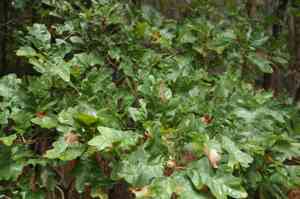
A robust, arid-tolerant tree, sand post oak flourishes in sandy substrates. Trim sand post oak during late winter or early spring prior to the emergence of new foliage. Eliminate deceased or compromised branches, thin the canopy to facilitate light penetration and air circulation, and shorten any boughs that jeopardize the tree's integrity. Meticulous trimming preserves vitality and averts subsequent harm, while fostering a sturdy, attractive form. Always disinfect implements to preclude the spread of pathogens.
What Are the Benefits of Pruning Sand Post Oak?
What Are the Benefits of Pruning Sand Post Oak?
Trimming sand post oak promotes robust development and helps maintain its desired form, ensuring it stays visually appealing and structurally sound.
What Is the Best Time for Pruning Sand Post Oak?
What Is the Best Time for Pruning Sand Post Oak?
During late winter and early spring, sand post oak's growth cycle is at a point where the plant is still dormant but preparing for the vigorous growth that comes with warmer weather. Pruning in late winter before the new growth starts ensures that sand post oak can heal from the pruning cuts without diverting resources from developing leaves and branches. This timing also avoids cutting off the new growth, which could reduce the plant's vigor. Furthermore, it allows for the removal of any damaged or diseased wood before new leaves emerge, which can prevent the spread of pests and disease. Pruning during this period also minimizes sap loss, which can be more pronounced in sand post oak if pruned in the growing season. Additionally, as the foliage is sparse, it is easier to see the structure of the plant and make more accurate cuts to shape the tree and maintain its health.
What Tools Do I Need to Prune Sand Post Oak?
Bypass Pruners
Perfect for making clean cuts on smaller branches of sand post oak, minimizing harm to plant tissues.
Loppers
Appropriate for severing branches too thick for bypass pruners, typically up to 1.5 inches in diameter, providing extended handles for greater leverage.
Pruning Saw
Essential for removing larger branches that loppers cannot manage safely; a saw with a curved blade is generally easier to handle.
Pole Pruner
Handy for reaching elevated branches without a ladder, offering extended reach for shaping sand post oak.
Hedge Shears
Suitable for shaping the outer growth of sand post oak when forming hedges or for formal trimming, though use should be limited to prevent excessive foliage removal.
How to Prune Sand Post Oak
Clean tools
Prior to beginning, ensure all pruning implements are clean and sharp to prevent infecting sand post oak with pathogens.
Identify branches
Examine sand post oak to locate all dead or diseased branches, which will need to be removed.
Cut dead branches
Using appropriate tools, sever dead branches at their junction with healthy wood, making angled cuts to encourage water runoff and deter decay.
Remove diseased branches
Carefully eliminate diseased branches by cutting well into the healthy tissue to ensure all infected parts are gone and to facilitate healthy regrowth.
Dispose material
Properly discard all removed material to prevent the spread of disease and to maintain the health of sand post oak.
Common Pruning Mistakes with Sand Post Oak
Overpruning
Removing too much foliage from sand post oak can stress the tree, leading to poor health and growth.
Improper cut locations
Making pruning cuts too close to the trunk or too far from the bud can harm sand post oak and hinder proper healing.
Tearing bark
Ripping the bark when removing branches can expose sand post oak to pests and disease.
Cutting at wrong angle
Incorrect angle cuts may cause water to accumulate on the cut surface, potentially leading to rot in sand post oak.
Dull tools
Using dull pruning tools can create jagged cuts that are more susceptible to infection.
Flush cutting
Flush cutting against the trunk can remove the branch collar, disrupting the natural healing process of sand post oak.
Overlooking diseased limbs
Failing to remove diseased or damaged limbs can allow the problem to spread throughout sand post oak.
Ignoring weak branches
Not pruning weak or narrow-angle branches can lead to breakages and injuries on sand post oak.
Pruning without plan
Pruning without a clear objective can result in a misshapen appearance and negatively affect the health of sand post oak.
Neglecting tool sanitization
Forgetting to sanitize tools before and after pruning sand post oak can spread diseases between plants.
Common Pruning Tips for Sand Post Oak
Correct cut location
Make cuts just above a bud or branch node to encourage proper healing and reduce the risk of disease.
Angled cuts
Cut at a 45-degree angle away from a bud to ensure water runs off and to promote new growth.
Sharp tools
Use clean, sharp tools to make precise cuts and minimize damage to sand post oak.
Branch collar
Respect the branch collar; do not cut it off. Make a cut just outside the ridge without leaving a stub.
Healthy limb preservation
Identify and preserve strong, well-positioned limbs as the framework of sand post oak.
Deadwood removal
Regularly remove dead, damaged, or diseased wood to maintain the health and structure of sand post oak.
Thinning cuts
Employ thinning cuts to improve light penetration and air circulation within sand post oak's canopy.
Structural pruning
Conduct structural pruning to establish a strong trunk and well-spaced major branches on young sand post oak.
Weight distribution
Balance the weight distribution of the branches to prevent future breakages on sand post oak.
Tool sanitization
Disinfect pruning tools before and after use to prevent the spread of disease.



