How to Prune Swamp chestnut oak?
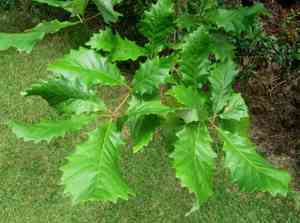
This shedding oak, prized for its impressive height and sturdy wood, flourishes in damp ground. Essential trimming for swamp chestnut oak entails eliminating deceased, injured, or intersecting limbs to fortify its well-being and framework. Execute cuts in late winter or early spring to lessen strain and encourage robust development. Pruning improves air movement and light access, vital for swamp chestnut oak's resilience. Refrain from excessive cutting, which can induce harmful shoots and diminish its soundness.
What Are the Benefits of Pruning Swamp Chestnut Oak?
What Are the Benefits of Pruning Swamp Chestnut Oak?
Trimming swamp chestnut oak boosts vitality by eliminating dead or ailing wood, fostering improved air circulation and sun exposure. It also preserves the plant's shape, preventing excessive growth and promoting structural soundness.
What Is the Best Time for Pruning Swamp Chestnut Oak?
What Is the Best Time for Pruning Swamp Chestnut Oak?
Pruning swamp chestnut oak in late winter or early spring takes advantage of its dormant phase before new growth emerges. This timing aligns with the plant's natural growth cycle, minimizing stress and the risk of disease or pest infestations. It also facilitates better healing of pruning wounds and avoids removing flower buds, which would reduce the tree's reproductive success for the season. Pruning prior to the spring growth spurt allows gardeners to effectively shape the tree and ensures the plant's resources are directed towards new, healthy development.
What Tools Do I Need to Prune Swamp Chestnut Oak?
Hand Pruners
For small, young branches of swamp chestnut oak, hand pruners are essential. They enable precise cuts that do not harm the surrounding tissue.
Loppers
These are necessary for reaching higher or deeper into swamp chestnut oak to trim branches that are too thick for hand pruners but less than 2 inches in diameter.
Pruning Saw
For larger branches over 2 inches in diameter, a pruning saw is needed to make clean cuts without tearing the bark or wood of swamp chestnut oak.
Pole Pruner
If there are branches of swamp chestnut oak that are high and out of reach, a pole pruner will allow for their removal without the use of a ladder.
Chainsaw
In the case of any extensive pruning or removal of very large limbs, a chainsaw might be appropriate for swamp chestnut oak, but it should be used with caution and proper safety equipment.
Safety Gear
Always necessary when pruning swamp chestnut oak, including gloves, safety goggles, and a hard hat to protect against falling branches.
How to Prune Swamp Chestnut Oak
Step1: Timing for Pruning
Identify the optimal period for pruning swamp chestnut oak. The best time is during late winter to early spring before new growth begins.
Step2: Tool Sanitization
Sanitize pruning tools with a solution of bleach or alcohol to prevent the spread of disease.
Step3: Dead Wood Identification
Inspect swamp chestnut oak for dead wood by looking for branches that lack green growth, have dried bark, or show no signs of life. Touch the branches to check; if they are brittle and snap easily, they are dead.
Step4: Cutting Dead Branches
Start pruning with dead wood. Make cuts at a 45-degree angle about a quarter inch above an outward facing bud or branch. Ensure cuts are clean and smooth to promote better healing.
Step5: Diseased Limbs Detection
Identify diseased limbs by checking for discoloration, abnormal growths, or signs of insect infestation. Confirm with a professional arborist if unsure.
Step6: Removing Diseased Limbs
Isolate and trim diseased limbs to prevent further spread. Make cuts well below the affected area, at least several inches into healthy wood. Dispose of diseased material properly, not in a compost bin.
Step7: Low Branch Removal
Evaluate lower branches for removal if they are too close to the ground, interfere with traffic, or are shading out desired undergrowth.
Step8: Proper Clearance Cuts
When trimming lower branches for clearance, cut outside the branch collar, the swollen area where the branch meets the trunk. Do not cut into the collar, as this is essential for proper wound healing.
Step9: Canopy Thinning Over Topping
Thinning is generally preferable to topping for swamp chestnut oak. Remove select branches entirely to let light and air filter through the canopy rather than cutting all branches back.
Step10: Post-Pruning Cleanup
Finish with cleaning up. Remove all pruned material from the base of swamp chestnut oak to prevent pests and diseases. Clean tools again to prepare for the next use.
Post-Pruning Care for Swamp Chestnut Oak
Post-Pruning Care for Swamp Chestnut Oak
Immediately following pruning, swamp chestnut oak requires ample watering to aid recovery, ensuring soil remains moist but well-drained. Position swamp chestnut oak in an area with partial to full sunlight, and maintain a moderate ambient humidity to prevent stress. Avoid fertilization directly after pruning to prevent shock, instead wait until active growth resumes. Regularly inspect swamp chestnut oak's pruning sites for unusual discoloration or oozing, indicating potential infection. Promptly treat any signs of disease with appropriate fungicides or antibacterial agents, following expert guidance.
Common Pruning Mistakes with Swamp Chestnut Oak
Excessive Pruning
Over-pruning is a frequent error, where more than 25% of the canopy is removed, which can stress swamp chestnut oak and make it more susceptible to disease and pests.
Dull or Dirty Tools
Not using clean, sharp tools can lead to ragged cuts that can be harmful to swamp chestnut oak, making it harder for the tree to heal and increasing the risk of infections.
Improper Cut Placement
Pruning too close to the trunk or branch collar, or making flush cuts, is a common mistake that can damage the trunk and impede the swamp chestnut oak's natural healing process.
Topping and Over-Thinning Canopy
Cutting off the top of the tree or excessive thinning of the upper canopy (topping) can result in weak growth and poor tree structure, affecting the overall health and appearance of swamp chestnut oak.
Leaving Stubs
Leaving too large of a stub when cutting branches can encourage decay and provide an entry point for pathogens to hurt swamp chestnut oak.
Common Pruning Tips for Swamp Chestnut Oak
Remove Dead or Diseased Wood
Focus on removing dead, damaged, or diseased wood to maintain the health of swamp chestnut oak and prevent the spread of decay or disease.
Proper Angle and Cut Placement
Make proper pruning cuts at a slight angle, just beyond a bud or branching point, to promote healing and new growth without leaving too long a stub or cutting too close to the main branch.
Controlled Canopy Thinning
Thin out the canopy to increase light penetration and air circulation, which is vital for the overall health of swamp chestnut oak, but be careful to retain the tree's natural shape.
Structural Correction of Branches
Use pruning as an opportunity to correct or remove poorly attached branches and to enhance the structure of swamp chestnut oak, particularly focusing on eliminating any branches that cross or rub against each other.
Sterilize Tools to Prevent Disease
Sterilize pruning tools before and after use on swamp chestnut oak to prevent the spread of disease agents between plants and ensure clean cuts that heal efficiently.



