How to Prune Chestnut oak?
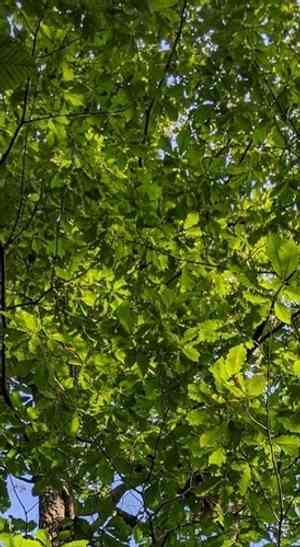
A robust, sizable deciduous tree featuring expansive foliage, chestnut oak flourishes in adequately drained earth and necessitates infrequent trimming to preserve its vitality and form. Conduct pruning in late winter or early spring prior to the emergence of new shoots. Eliminate lifeless, impaired, or ailing limbs and thin the crown to facilitate light penetration and air movement. Restrict pruning to minor branches to avert substantial injuries that could result in decomposition. Pruning stimulates development, with judicious cuts promoting rapid recovery and robust spring proliferation.
Advantages of Trimming Chestnut Oak
Advantages of Trimming Chestnut Oak
Trimming chestnut oak ensures it maintains a strong framework and an attractive appearance. Strategic cutting encourages robust development and helps the tree keep its desired form, which is crucial for both its well-being and landscape appeal.
Optimal Time for Pruning Chestnut Oak
Optimal Time for Pruning Chestnut Oak
The ideal period to prune or trim chestnut oak is during late winter and early spring before new growth emerges. This is because the plant remains dormant, making it less vulnerable to stress and illnesses that can enter through pruning wounds. Pruning in late winter allows gardeners to remove any dead or damaged limbs exposed by winter weather, thus preventing decay organisms from entering the plant as temperatures rise. Additionally, early spring pruning is beneficial as it allows for quicker wound closure due to the start of the growth cycle, ensuring better healing. This timing avoids interrupting the vital energy reserves chestnut oak needs for growth and does not disrupt the subsequent flowering and fruiting cycle, as chestnut oak flowers in spring. It is essential to prune chestnut oak before the sap begins to flow (sap rise). Consulting reputable horticultural sources ensures these guidelines are accurate and suitable for maintaining chestnut oak's health and vigor.
Required Tools for Pruning Chestnut Oak
Hand Pruners
Perfect for removing small branches and leaves on chestnut oak. They enable precise cuts and are excellent for shaping the tree or eliminating dead or diseased wood.
Loppers
These are effective for cutting through thicker branches, typically up to 1.5 inches in diameter, that hand pruners cannot manage. Loppers will help manage chestnut oak's larger limbs with greater leverage.
Pruning Saw
For branches exceeding 1.5 inches in diameter, a pruning saw is necessary. Its larger teeth and longer blade allow for efficient cutting through chestnut oak's substantial branches.
Pole Pruner
Given chestnut oak's potential height and large size, a pole pruner may be required to reach higher branches without using a ladder, ensuring safety and accessibility.
How to Prune Chestnut Oak
Inspect and sanitize
Examine chestnut oak thoroughly, using clean pruning shears or a saw. Look for any dead wood, which may appear dry, brittle, or discolored. Begin by removing dead wood to prevent potential disease spread and to enhance the plant's appearance.
Sanitize tools
Before proceeding to diseased limbs, disinfect your cutting tools. This can be done by wiping the blades with a cloth soaked in isopropyl alcohol to prevent the transmission of pathogens to healthy parts of chestnut oak.
Remove diseased limbs
Carefully cut away diseased limbs of chestnut oak, making cuts at a downward angle to ensure water drains off the cut surface. This step helps stop disease spread and promotes the plant's health. Ensure complete removal of limbs, cutting back to healthy wood.
Trim weak branches
Identify weak branches on chestnut oak that lack strong attachment to the main structure or those that grow inward towards the plant's center. Prune these weak branches to improve light penetration and air circulation within the canopy, which can help reduce disease risk.
Clean up
After pruning chestnut oak, gather and dispose of all pruned material. Do not leave them on the ground as they can harbor pests or disease. Clean your tools again with disinfectant to ensure they are ready for future use.
Common Pruning Errors with Chestnut Oak
Excessive pruning
Removing too much foliage from chestnut oak at once can stress the plant and lead to poor health or stunted growth. It's crucial to prune selectively and not exceed a certain percentage of the tree's live branches.
Flush cutting
Making flush cuts against the trunk or main branches when removing limbs can cause extensive damage to the bark and underlying tissues, hindering the chestnut oak's natural healing process.
Neglecting tool hygiene
Using dirty pruning tools can spread diseases from infected plants to healthy ones. Always clean and disinfect tools before and after use on chestnut oak.
Incorrect cut placement
Improper cut placement can result in stubs or leaving too much of a branch, which can invite pests and decay. It's crucial to make cuts just outside the branch collar for optimal healing.
Ignoring weak branch structure
Failing to remove branches with weak attachments can result in damage as these branches are more likely to break off during severe weather, harming the structure and health of chestnut oak.
General Pruning Advice for Chestnut Oak
Selective thinning
Remove only the necessary branches to allow light and air to penetrate the canopy, which promotes healthy growth in chestnut oak. Focus on dead, diseased, or crossed branches.
Use sharp tools
Maintain sharp and clean pruning tools to make precise cuts that heal quickly, reducing the risk of disease and pests.
Follow natural form
Respect the natural shape of chestnut oak during pruning. Over-manicuring can weaken the structure and lead to unnatural growth patterns.
Protect tree health
Make pruning decisions with the health of chestnut oak as a priority. Prune in a way that maintains or improves the health and vitality of the tree.
Prune for structure
For young chestnut oak, develop a strong structure by establishing a dominant leader and well-spaced lateral branches. For mature trees, minimize pruning to maintenance needs.



