How to Prune Willow oak?
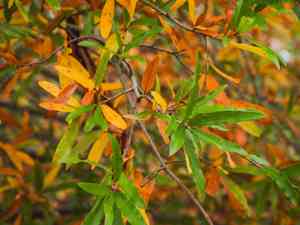
A prominent deciduous tree, prized for its willow-like foliage and consistent form, the willow oak thrives with judicious trimming to preserve its shape and vitality. Essential methods involve reducing dense branches and eliminating deceased or compromised limbs. The most effective time for pruning is in late winter to early spring, while the tree is dormant, to lessen sap leakage and susceptibility to illness. Trimming improves air movement, light access, and can avert future structural problems, guaranteeing vigorous and attractive development.
What Are the Benefits of Pruning Willow Oak?
What Are the Benefits of Pruning Willow Oak?
Trimming willow oak promotes vigor and maintains its desired form. By eliminating dead or overgrown limbs, willow oak can direct energy towards developing a strong framework and dense foliage, ensuring an attractive and healthy tree.
What Is the Best Time for Pruning Willow Oak?
What Is the Best Time for Pruning Willow Oak?
These periods are selected based on willow oak's dormant state during colder months, which typically lessens tree stress and minimizes sap loss. Pruning in late winter, prior to spring growth, allows for improved wound recovery and gives the plant time to produce new growth in the coming season. It also offers a chance to remove any dead or damaged branches that may have been affected by winter conditions. During early spring, the risk of willow oak contracting diseases or being infested by insects is lower, as many pathogens and pest populations are inactive. Additionally, the absence of leaves provides a clearer view of the treeâs structure, facilitating precise cuts that encourage healthy growth patterns and tree structure.
What Tools Do I Need to Prune Willow Oak?
Hand Pruners
For trimming small branches and twigs on willow oak, hand pruners are essential. Choose bypass pruners, which cut with a scissor action and are better for making clean cuts on living tissue without crushing the branches.
Lopping Shears
Willow oak may have thicker branches that require more leverage to prune. Lopping shears with long handles are ideal for these branches, allowing for clean cuts without straining the gardener.
Pruning Saw
When dealing with mature willow oak trees, a pruning saw is necessary for branches over 1.5 inches in diameter. A sharp, curved-blade saw can make quick work of thicker branches while minimizing harm to the tree.
Pole Pruner
For the higher branches of willow oak that are out of reach, a pole pruner or pole saw can be used. This tool can typically handle branches up to about 1.25 inches in diameter and allows for pruning without the use of a ladder.
Personal Protective Equipment (PPE)
Gardening gloves, protective eyewear, and a hard hat are recommended when pruning willow oak to protect against falling branches and debris, especially when working on larger trees.
How to Prune Willow Oak
Step1: Timing Pruning for Dormancy Period
Identify the proper time for pruning willow oak. Pruning should be carried out during the dormant season, usually late winter to early spring before the sap starts running and new growth begins.
Step2: Inspecting and Identifying Dead Branches
Inspect willow oak for dead branches. These are typically dry, brittle, and lack any green living tissue when inspected closely. Dead branches should be your first priority.
Step3: Spotting and Marking Diseased Branches
Search for any signs of diseased branches on willow oak. Look for discolored bark, fungal growths, or areas that appear to be oozing. Mark these branches with a piece of string or chalk for identification.
Step4: Evaluating and Addressing Broken Branches
Identify broken branches, which are often caused by wind, ice, or snow. Broken branches can pose a risk to the tree's health if they are not removed, as they can attract pests and diseases.
Step5: Tool Sanitization to Prevent Disease Spread
Sanitize your pruning tools with isopropyl alcohol or a 10% bleach solution to avoid spreading disease while trimming willow oak.
Step6: Cutting Dead Branches Cleanly
Remove dead branches from willow oak by cutting them back to the point of origin or to a larger lateral branch. Ensure the cuts are clean and avoid tearing the bark.
Step7: Pruning Below Diseased Areas
When pruning diseased branches from willow oak, cut well below any diseased areas. If the entire branch is affected, remove it entirely. Dispose of diseased material immediately and do not compost it.
Step8: Proper Cutting of Broken Branches
For broken branches on willow oak, make a clean cut just above a lateral branch or bud that is facing the outside of the canopy. This encourages growth away from the center of the tree and maintains a healthy shape.
Step9: Three-Cut Method for Larger Branches
Use the three-cut method to remove larger branches: First, make a notch on the underside of the branch, a few inches away from the trunk. The second cut should be outside the first and all the way through the branch, removing the weight. Finally, make the third cut cleanly through the remaining stub, just outside the branch collar.
Step10: Minimal Shaping for Natural Tree Form
Prune for shape and form if necessary, but keep in mind that willow oak generally requires minimal shaping. The natural shape of willow oak is usually optimal for health and growth.
Step11: Applying Wound Dressing When Needed
After trimming willow oak, apply wound dressing to large cuts to protect them from pests and diseases. However, for most minor cuts, this is not necessary as trees are usually capable of sealing their own wounds.
Step12: Cleanup of Pruning Debris
Clean up all debris, including leaves, branches, and sawdust, to prevent the spread of any pests or diseases that might have been present on the dead, diseased, or broken material.
Step13: Post-Pruning Tree Health Monitoring
Monitor willow oak after pruning for signs of stress, pest infestations, or disease outbreaks, indicating that further action may be needed to maintain the health of the tree.
Post-Pruning Care for Willow Oak
Post-Pruning Care for Willow Oak
Immediately after pruning willow oak, irrigate thoroughly to reduce stress. Position willow oak to receive part-shade until recovery signs are evident, ensuring a warm, moderately humid environment. Apply a balanced, slow-release fertilizer to provide essential nutrients. Monitor willow oak for wilting, discoloration, or oozing wounds indicating stress or infection. If symptoms appear, consult a plant health professional. Regularly inspect for pests and diseases, maintaining a consistent watering schedule to support healthy regrowth.
Common Pruning Mistakes with Willow Oak
Excessive Canopy Removal
Over-pruning is a frequent error where too much of the willow oak's canopy is removed at once. This can stress the tree and lead to poor health or growth.
Using Dull or Dirty Pruning Tools
Neglecting to use clean, sharp tools can result in jagged cuts that are more susceptible to disease and may not heal properly.
Improper Pruning Cuts
Making improper cuts, such as leaving stubs or cutting too close to the trunk, can damage the bark and the tree's natural healing response, leading to decay.
Ignoring Dead or Diseased Limbs
Failing to remove dead or diseased branches as they appear can allow disease or pests to spread within the willow oak, compromising its health.
Common Pruning Tips for Willow Oak
Three-Cut Method for Large Branches
Use the three-cut method for removing larger branches: make a notch on the underside of the branch, then cut through the branch from the top beyond the notch, and finally make a clean cut near the trunk to remove the stub.
Prune for Natural Shape and Health
Prune to maintain the natural shape of the willow oak, removing any branches that cross or rub against each other to prevent wounds and potential disease entry points.
Prefer Thinning Cuts Over Topping
Thinning cuts should be used rather than topping or heading back, as these can stimulate weak, fast growth and create a denser canopy, which may lead to more problems in the future.
Preserve the Central Leader
Identify the willow oak's central leader and preserve it during pruning to maintain strong vertical growth and the overall structural integrity of the tree.



