How to Prune Dwarf chinquapin oak?
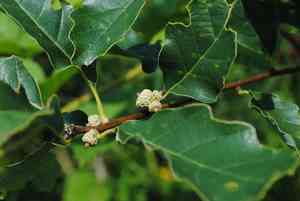
This compact, bushy oak flourishes with limited trimming focused on form and well-being. For optimal outcomes, trim dwarf chinquapin oak in the late winter to early spring period, prior to the emergence of new foliage. Eliminate any lifeless, ailing, or intersecting branches to foster a robust framework and improved air movement. Reducing crowded sections increases light exposure and diminishes the likelihood of disease. Trimming during its dormant phase also prevents the oozing of sap, which can draw in unwanted insects. Timely pruning significantly improves the dwarf chinquapin oak's lifespan and vitality.
What Are the Benefits of Pruning Dwarf Chinquapin Oak?
What Are the Benefits of Pruning Dwarf Chinquapin Oak?
Trimming dwarf chinquapin oak promotes robust development by eliminating dead or competing limbs. It also maintains the desired form, preventing dwarf chinquapin oak from becoming overgrown, which fosters improved health and an attractive structure.
What Is the Best Time for Pruning Dwarf Chinquapin Oak?
What Is the Best Time for Pruning Dwarf Chinquapin Oak?
Trimming dwarf chinquapin oak in late winter or early spring is optimal because the plant is still dormant, minimizing the risk of pruning wounds leading to diseases or pests. This timing also allows gardeners to remove any damaged or diseased wood before new growth starts, which can enhance the plant's overall health and vigor. Pruning prior to the onset of spring growth enables the plant to direct its energy toward developing new shoots and leaves from the remaining buds. This schedule also avoids disrupting dwarf chinquapin oak's flowering and fruiting cycles, preserving its natural reproductive process and aesthetic appeal.
What Tools Do I Need to Prune Dwarf Chinquapin Oak?
Bypass Pruners
Perfect for making precise cuts on live branches of dwarf chinquapin oak up to 3/4 inches in diameter. The sharp, scissor-like blades ensure minimal harm to plant tissues, encouraging quicker recovery.
Loppers
Suitable for thicker branches, typically between 3/4 inches and 1 1/2 inches in diameter. The extended handles provide leverage, simplifying cuts on larger limbs of dwarf chinquapin oak.
Pruning Saw
Essential for branches exceeding 1 1/2 inches in thickness, where bypass pruners and loppers are insufficient. The saw enables accurate cutting of thicker limbs without causing undue stress to dwarf chinquapin oak.
Hand Saw
Useful for excising dead wood or managing larger limbs that may require removal for the health and shape of dwarf chinquapin oak.
Pole Pruner
Allows for the removal of out-of-reach limbs. The extendable pole can be particularly helpful for shaping or thinning the upper canopy of dwarf chinquapin oak.
How to Prune Dwarf Chinquapin Oak
Cleaning tools
Before trimming dwarf chinquapin oak, ensure all pruning tools are clean and sharp to prevent disease transmission and achieve clean cuts.
Inspection
Thoroughly examine dwarf chinquapin oak to identify dead or diseased branches that require removal. Look for signs of decay, discoloration, or damage.
Cut dead branches
Carefully remove dead branches by making cuts at a slight angle, approximately 1/4 inch above a bud or branch junction, to promote healing and deter water accumulation.
Cut diseased branches
Trim diseased branches by cutting them back to healthy wood, well below the affected area. If the disease is widespread, remove the entire branch.
Cleanup
After pruning dwarf chinquapin oak, clear away and dispose of all cuttings to prevent the spread of any potential disease and maintain a tidy growing environment.
Common Pruning Mistakes with Dwarf Chinquapin Oak
Overpruning
A common error is removing too much of dwarf chinquapin oak's foliage at once. This can stress the tree, leading to stunted growth and increased susceptibility to pests and diseases.
Improper cuts
Gardeners sometimes make cuts too close to the trunk or leave large stubs, both of which can impede the healing process and invite infections.
Tearing bark
When trimming larger branches, failing to use the proper three-cut technique can result in bark tearing, which damages dwarf chinquapin oak's trunk and can lead to decay.
Pruning healthy wood
Mistakenly cutting off healthy wood instead of just the dead or diseased branches can unnecessarily weaken dwarf chinquapin oak.
Neglecting tool hygiene
Using dirty pruning tools can spread diseases between plants. Not cleaning and disinfecting tools before use on dwarf chinquapin oak is a frequent oversight.
Common Pruning Tips for Dwarf Chinquapin Oak
Sharp tools
Ensure pruning tools are sharp to make clean cuts that heal quickly, reducing the chance of disease affecting dwarf chinquapin oak.
Correct angle
Cut branches at a 45-degree angle to prevent water accumulation, which can lead to rot and disease in dwarf chinquapin oak.
Identify before cutting
Look for dead, diseased, or damaged wood to remove, as well as any branches that may be crossing or rubbing against each other.
Gradual pruning
Prune dwarf chinquapin oak gradually over several seasons if a significant reduction in size is necessary, rather than all at once, to avoid shocking the plant.
Protect the collar
When removing branches, avoid cutting into the branch collarâthe swollen area where the branch meets the trunkâas this is vital for healing and safeguarding dwarf chinquapin oak from diseases.



