How to Prune Northern red oak?
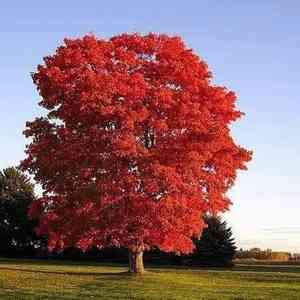
The northern red oak, a stately hardwood recognized for its robustness and brilliant autumn leaves, flourishes when given appropriate attention. Essential trimming techniques involve excising deceased or ailing wood, reducing the density of the canopy to improve light access and air circulation, and eliminating intersecting limbs to avert bark injury. The most favorable period for pruning is from late winter to early spring while the tree is inactive, which lessens sap leakage and susceptibility to illness. Regular yearly pruning preserves the tree's framework and vitality, thereby boosting the northern red oak's aesthetic appeal and lifespan.
Advantages of Trimming Northern Red Oak
Advantages of Trimming Northern Red Oak
Trimming northern red oak promotes vitality and maintains its form, boosting growth by eliminating dead or diseased wood and fostering a robust structure.
Optimal Period for Pruning Northern Red Oak
Optimal Period for Pruning Northern Red Oak
Late winter and early spring are considered ideal for pruning northern red oak due to various factors related to the plant's growth cycle and well-being. Pruning in late winter, just before spring growth begins, ensures rapid wound healing, reducing the likelihood of disease or pest infestation. It also minimizes sap loss, which can be more significant in oaks if pruned during spring when sap flow is heavy. Pruning at this time also enables gardeners to easily spot and remove any damaged or diseased limbs before new foliage conceals them. Furthermore, this timing avoids the active growth phase in late spring and summer when pruning could unnecessarily stress northern red oak. Additionally, this period falls outside the primary breeding season for insects that might otherwise infest pruning wounds. These considerations ensure the tree maintains strong health and vigor throughout the seasons.
Required Tools for Pruning Northern Red Oak
Hand Pruners
These are crucial for cutting small branches up to 1 inch in diameter on northern red oak. They deliver clean and precise cuts essential for preserving the tree's health.
Loppers
With longer handles and increased leverage, loppers are perfect for branches 1 to 2 inches in diameter, excellent for reaching higher branches without needing a ladder.
Pruning Saw
For larger branches exceeding 2 inches in diameter, a pruning saw creates smooth cuts and can manage the thicker limbs of northern red oak without harming the surrounding bark.
Pole Pruner
For out-of-reach higher branches, a pole pruner allows trimming without climbing the tree. The extendable pole and saw or lopper attachment are practical for managing northern red oak's canopy.
Chainsaw
Useful for the largest branches or extensive trimming work on northern red oak, though it should be used cautiously and potentially only by professionals due to injury risks and potential tree damage if used improperly.
Cleaning Supplies
Tools should be cleaned and disinfected before and after use to prevent disease spread in northern red oak, using a solution of one part bleach to nine parts water, or alcohol wipes.
How to Prune Northern Red Oak
Step1: Evaluate Plant Health for Pruning Priority
Assess northern red oak before pruning to identify branches that are damaged, diseased, or dead. This initial evaluation helps focus pruning efforts on areas needing attention.
Step2: Select and Sanitize Pruning Tools
Gather appropriate pruning tools, including clean, sharp pruning shears, loppers, and a pruning saw. Disinfect tools before use to prevent pathogen spread to northern red oak.
Step3: Remove Dead Branches to Live Tissue
Start with dead branches, which are easily recognized by their brittleness and lack of green growth. Cut dead branches back to live tissue or to the branch collar, being careful not to damage the collar.
Step4: Identify and Cut Diseased Limbs
Spot diseased limbs by looking for discoloration, unusual growths, or signs of insect infestation. Make cuts at least several inches into healthy tissue beyond any diseased parts to ensure complete removal of infected areas.
Step5: Prune Environmentally Damaged Wood
Remove damaged wood caused by environmental stress, mechanical injury, or animals. Prune these branches back to a lateral branch or bud facing the desired direction of new growth.
Step6: Angle Cutting Technique Near Buds
Ensure cuts are made at a 45-degree angle away from the bud, allowing water to drain off the cut surface and reduce disease risk.
Step7: Canopy Thinning for Improved Light and Air Flow
Thin the canopy of northern red oak if necessary to enhance light penetration and air circulation. Remove selected live branches using the same methods as for dead or diseased wood. Focus on maintaining northern red oak's natural shape.
Step8: Debris Cleanup and Disposal After Pruning
After pruning, clear all debris and properly dispose of diseased material to prevent contamination.
Step9: Post-Pruning Tool Disinfection
Disinfect tools again after pruning to prevent any potential spread of disease to other plants or future cuts on northern red oak.
Step10: Avoid Wound Sealants for Natural Healing
Do not apply wound sealants or paint on cut surfaces, as northern red oak heals best from clean, open cuts without these products.
Step11: Post-Pruning Plant Health Monitoring
Monitor northern red oak after pruning for signs of stress or disease and provide proper care, including watering and mulching to support recovery.
Aftercare for Northern Red Oak Pruning
Aftercare for Northern Red Oak Pruning
Immediately after pruning northern red oak, ensure cuts are clean and treat large wounds to prevent disease. Optimize light exposure and avoid extreme temperatures and high humidity, which can stress northern red oak. Post-pruning, provide balanced fertilization to aid recovery but avoid excessive nitrogen which can prompt vulnerable new growth. Irrigate adequately, preventing the soil from drying out or becoming waterlogged. Monitor northern red oak closely for signs of distress, like discoloration or wilting, and for infection. If symptoms occur, consult an arborist for appropriate treatment measures.
Common Pruning Errors with Northern Red Oak
Improper Tool Use
Using dull or dirty pruning tools, which can create imprecise cuts and introduce diseases to northern red oak.
Excessive Foliage Removal
Over-pruning, or removing too much foliage at once, can stress northern red oak and lead to poor growth or vulnerability to pests and diseases.
Rough Cutting Technique
Tearing or ripping branches instead of making clean cuts can damage the bark and underlying tissue, hindering northern red oak's natural healing process.
Ignoring Dead Branches
Neglecting to remove dead or dying branches, which can impact the overall health and appearance of northern red oak.
Incorrect Cut Location
Making flush cuts against the trunk, which can remove the branch collar and impede northern red oak's ability to properly seal the wound.
Poor Tool Sterilization
Inadequate sterilization of tools between cuts, especially when northern red oak has been affected by disease, risks spreading pathogens.
General Pruning Advice for Northern Red Oak
Sharp and Clean Tools
Use sharp, clean pruning tools to make precise cuts that northern red oak can heal from more effectively.
Moderate Pruning Approach
Prune thoughtfully, removing only what is necessaryâtypically no more than 25% of northern red oak's crown in a single season.
Correct Pruning Cuts
Cut just outside the branch collar without leaving a stub, allowing northern red oak to properly seal the wound and prevent decay.
Timely Removal of Unhealthy Wood
Remove dead, diseased, or damaged wood as soon as it's noticed to maintain northern red oak's health and aesthetic appeal.
Tool Sterilization Between Cuts
Sterilize pruning tools with a 10% bleach solution or rubbing alcohol between cuts when pruning diseased branches of northern red oak.
Effective Thinning Cuts
Focus on thinning cuts, which remove entire branches or limbs back to their point of origin, to improve air circulation and light penetration for northern red oak.
Consider Arborist for Large Branches
Be mindful of the branch size being removed; if it is larger than 4 inches in diameter, consider consulting a professional arborist for northern red oak.



