How to Prune Black oak?
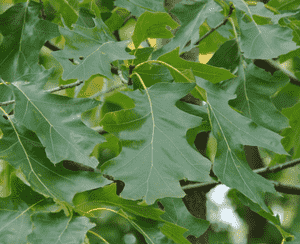
Originating from the eastern and central regions of North America, Quercus velutina is a deciduous tree distinguished by its deep, ridged bark and expansive crown. The appropriate method for pruning Quercus velutina entails excising dead or ailing branches, reducing the density of the canopy to improve light access and air circulation, and trimming any branches that detract from the tree's inherent form. The most favorable period for pruning is in late winter or early spring, prior to the onset of new growth. Meticulous pruning contributes to the well-being of Quercus velutina, encourages development, and averts structural problems.
Advantages of Trimming Black Oak
Advantages of Trimming Black Oak
Trimming black oak promotes robust development and assists in maintaining its desired form. Regular cutting eliminates dead or diseased branches, fostering a healthier framework and averting potential dangers.
Optimal Period for Pruning Black Oak
Optimal Period for Pruning Black Oak
During late winter and early spring, black oak is in its dormant phase before the onset of spring growth. This timing allows horticulturists to easily identify and remove dead or diseased wood without foliage obstructing the view. It also lessens the chance of disease infection and pest infestation, as both are less active during cooler weather. Pruning at this time also encourages vigorous new growth in the upcoming season and minimizes stress on black oak, as cuts have time to heal before the rapid growth phase begins. Furthermore, the absence of leaves results in less energy expenditure for the plant, making recovery from pruning quicker and more effective.
Necessary Tools for Pruning Black Oak
Bypass Pruners
Essential for making clean cuts on smaller branches of black oak, typically less than 1 inch in diameter, which encourages healthy regrowth.
Loppers
Ideal for cutting branches between 1 and 2 inches thick; the long handles provide leverage to make pruning of black oak less strenuous.
Pruning Saw
Necessary for managing thicker branches, those over 2 inches in diameter, which are common in mature black oak trees; it allows precise and controlled cuts.
Pole Pruners
Useful for trimming higher branches without the need for a ladder, ensuring safety while pruning black oak.
Chainsaw
Recommended for removing large limbs or sections of black oak, but should be used only by experienced individuals and with proper safety equipment.
How to Prune Black Oak
Cleaning
Examine black oak for dead wood, diseased limbs, and broken branches, as these can hinder healthy growth and pose safety risks. These parts should be identified for removal during the pruning process.
Sterilization
Before starting the pruning process, sterilize cutting tools with isopropyl alcohol or a 10% bleach solution to prevent the spread of disease when cutting into black oak.
Cutting
Using sharpened and appropriate tools like hand pruners for smaller limbs or a saw for larger branches, cut dead wood, diseased limbs, and broken branches at the point where they meet healthy tissue. Make cuts at a slight angle to promote water runoff and prevent disease.
Disposal
Carefully dispose of the removed parts away from black oak to minimize the risk of disease or pest infestation. Do not compost diseased material as it can spread pathogens.
Wound Care
If larger limbs are removed from black oak, consider applying a tree wound dressing to protect the open cuts from infections and pests. Only use products specifically designed for oak trees and follow application instructions carefully.
Common Pruning Errors with Black Oak
Overpruning
Removing too much foliage from black oak, which can stress the tree and make it more vulnerable to pests or diseases.
Improper Cut Location
Cutting too close or too far from the branch collar can either damage black oak's trunk or leave stubs that can lead to decay.
Tearing Bark
Incorrect use of pruning tools can tear the bark of black oak, leading to wounds that can introduce pathogens and insects.
Pruning Healthy Limbs
Removing healthy limbs without cause can reduce black oak's photosynthetic capacity and its overall health.
Neglecting Tool Maintenance
Using dull tools can create jagged cuts on black oak that are more susceptible to infection and disease.
Flush Cutting
Pruning branches flush with the trunk can damage the branch collar, slowing the black oak's natural healing process.
Not Disinfecting Tools
Failing to disinfect tools between cuts can spread disease from infected parts of black oak to healthy ones.
General Pruning Advice for Black Oak
Three Cut Method
Use the three-cut method when removing larger branches to prevent bark tearing on black oak. Begin with a notch cut on the underside of the branch, followed by a relief cut further out, and then a final cut near the branch collar.
Branch Collar
When cutting, always make a clean cut just outside the branch collar to promote fast healing and reduce the risk of black oak disease.
Selective Pruning
Prune selectively to remove only dead, diseased, or crossing branches to maintain black oak's health and structure.
Right Tool Selection
Choose the right tool for the job (pruning shears for small branches, loppers for medium ones, and a saw for larger limbs) to make clean cuts on black oak.
Sharp Tools
Regularly sharpen pruning tools to make precise cuts that will heal more rapidly on black oak.
Clean Tools
Disinfect pruning tools with alcohol or a bleach solution before and after working on black oak to prevent the spread of pathogens.
Gradual Pruning
To avoid shock and stress, prune black oak gradually over the course of several seasons if extensive pruning is required.



