How to Prune Live oak?
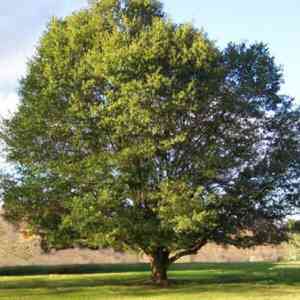
This renowned Southern tree is recognized for its impressive expanse and extended lifespan. To preserve the vitality and framework of live oak, conduct pruning during its dormant period in winter. Essential methods involve excising deceased or ailing branches, reducing canopy density for improved light access, and removing rival central stems. Refrain from over-pruning to uphold its inherent shape. Pruning improves air movement, lowers the likelihood of disease, and fosters robust growth habits.
Advantages of Trimming Live Oak
Advantages of Trimming Live Oak
Consistent trimming keeps live oak robust by eliminating dead or diseased limbs, fostering new development and air circulation. Strategic cuts maintain its distinct form and prevent excessive growth.
Optimal Period for Trimming Live Oak
Optimal Period for Trimming Live Oak
Winter is the best time for trimming live oak as it's typically dormant, having finished its active growth in autumn. During this inactive phase, there's less risk of disease and sap loss, which are more common in warmer months. Also, the absence of leaves allows for clearer visibility to make precise cuts, ensuring the plant's health and structural integrity. Winter trimming promotes vigorous new growth in spring, aligning with live oak's natural cycle. Avoid trimming during spring and early summer's active growth to prevent plant stress.
Required Tools for Trimming Live Oak
Hand Pruners
Perfect for cutting smaller live oak branches, usually up to 1 inch in diameter. These are used for precise, delicate cuts and are ideal for shaping the tree.
Loppers
Recommended for branches up to 2 inches thick, loppers offer leverage for clean cuts without straining the user.
Pruning Saw
For branches exceeding 2 inches, a pruning saw is appropriate. It enables cutting through large live oak branches that hand pruners and loppers cannot manage.
Chainsaw
For larger limbs or when significant trimming is needed, a chainsaw is effective, but it should be used cautiously and possibly by a professional.
Pole Pruner
Useful for reaching higher branches without a ladder. It keeps the user safe on the ground while allowing them to trim live oak at elevated heights.
Personal Protective Equipment (PPE)
Safety glasses, gloves, and suitable attire are crucial when trimming live oak to safeguard the gardener from potential harm.
How to Trim Live Oak
Step1: Tool Sanitization
Disinfect Your Trimming Tools: Before trimming live oak, clean and sanitize your pruning shears, loppers, and saws with isopropyl alcohol or a 10% bleach solution to prevent disease spread.
Step2: Dead Wood Identification
Locate Dead Wood: Search for branches lacking leaves and fine twigs or those that feel brittle and appear darkened. These are typically dead and should be trimmed first.
Step3: Dead Wood Removal
Remove Dead Wood: Make clean cuts on dead branches, cutting back to the point of live tissue, using an anvil pruner or loppers. For larger branches, use a saw and ensure cuts are made outside the branch collar to promote proper healing.
Step4: Disease Detection in Branches
Identify Diseased Branches: Look for any branches showing signs of illness, such as unusual growths, discoloration, or a sticky or powdery coating.
Step5: Diseased Branch Pruning
Trim Diseased Branches: Safely remove diseased branches, cutting well below the affected areas to prevent disease spread. Properly dispose of these branches to avoid contamination.
Step6: Low Branch Assessment
Evaluate Low Branches: Determine if low branches are obstructing movement, creating safety risks, or affecting the desired shape of live oak.
Step7: Pruning of Low Branches
Trim Low Branches: Cut low branches that are in the way or negatively impacting the tree's form. Use the three-cut method for large branches: an undercut, a relief cut, and a final cut just outside the branch collar.
Step8: Sucker Identification
Locate Suckers: Find any suckers growing from the base of live oak or from the roots, which can drain energy from the main tree and create a tangled appearance.
Step9: Sucker Removal
Eliminate Suckers: Cut the suckers off flush with the trunk or root surface using sharp pruning shears. Regular removal of suckers will help direct growth to the main structure of live oak.
Step10: Debris Cleanup
Clean Up: After trimming, clear all removed plant material from the area to deter pests and diseases. Sterilize your tools again once finished.
Step11: Care After Pruning
Post-Trimming Care: Ensure live oak receives sufficient water, especially if the trimming was extensive. Mulch around the base can help retain soil moisture and provide nutrients as it decomposes.
Post-Trimming Care for Live Oak
Post-Trimming Care for Live Oak
After trimming live oak, promptly clear away debris to prevent disease. Maintain a stable environment, avoiding extreme temperature shifts and ensuring moderate humidity. Partial sun is ideal to lessen stress. Apply a balanced fertilizer to replenish nutrients and encourage growth. Regularly inspect the trimmed areas for signs of infection, such as oozing or discoloration, and consult an arborist if symptoms persist. Adjust watering to prevent overhydration, which can worsen stress. Monitor for drought stress, alleviating with deep, infrequent watering to promote root health.
Common Trimming Errors with Live Oak
Ignoring Early Structure Pruning
Neglecting structural trimming during live oak's early growth stages, which is vital for establishing a strong framework and preventing future problems.
Harmful Large Cuts
Making large cuts, which can expose live oak to diseases and pests and create wounds that take longer to heal, potentially leading to decay.
Excessive Pruning
Over-trimming by removing more than 25% of the foliage in a single session, which can stress live oak, reducing its vitality and resilience.
Bark Damage from Incorrect Cuts
Tearing or stripping the bark when making cuts, as improper technique can damage the trunk and branches of live oak, hindering its ability to transport nutrients.
Common Trimming Advice for Live Oak
Use Proper Pruning Tools
Utilize clean, sharp tools specifically designed for trimming to make clean cuts that will heal quickly, minimizing stress on live oak.
Remove Unhealthy Branches
Focus on removing dead, diseased, or damaged branches to enhance the health and appearance of live oak, which also helps prevent disease spread.
Thin Dense Foliage for Health
Practice thinning out dense areas of foliage to improve light penetration and air circulation within the canopy of live oak, promoting a more robust structure and growth pattern.
Pruning Above Buds for Directional Growth
When shortening branches, cut just above a bud or branch that faces the desired direction of new growth, encouraging live oak to develop a pleasing shape and form.



