How to Prune Wild radish?
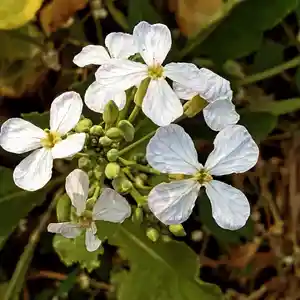
This herbaceous species, which can be either biennial or annual, flourishes in disrupted ground. For wild radish, trimming primarily involves excising faded blooms to inhibit self-propagation and undesirable dissemination. Perform pruning from the beginning of spring until the end of autumn, concentrating on lifeless or injured parts to preserve the plant's vitality and aesthetic. Trimming additionally fosters a denser, more contained growth pattern and can aid in controlling its invasive tendencies by restricting seed distribution.
Advantages of Trimming Wild Radish
Advantages of Trimming Wild Radish
Trimming wild radish promotes robust development and maintains its form. Regular cutting prevents excessive growth, enhancing air circulation and light exposure, which are vital for the plant's vigor and well-being.
Optimal Period for Pruning Wild Radish
Optimal Period for Pruning Wild Radish
Pruning wild radish in early spring aligns with its growth cycle, preparing it for the vigorous development that accompanies warmer weather. This timing allows the plant to recover and channel energy into new growth. Late autumn is also suitable, coinciding with wild radish's post-flowering and fruiting phase, enabling gardeners to remove spent stalks and reduce disease risk. Pruning during dormancy minimizes stress and readies wild radish for the subsequent growing season.
Required Tools for Pruning Wild Radish
Hand Pruners
Perfect for making precise cuts on wild radish, as the plant is not woody and has relatively slender stems.
Garden Shears
Appropriate for quickly trimming larger sections of wild radish, especially when managing numerous plants or dense foliage.
Gloves
Crucial for protecting hands from potentially irritating sap when pruning wild radish.
Pruning Saw
Generally not needed for wild radish due to its non-woody nature, but a small pruning saw might be used for older, tougher stems if present.
How to Prune Wild Radish
Step1: Assess Pruning Requirements
Examine wild radish to identify overgrown roots and spent flowers needing removal. This helps maintain plant health and prevents disease or pest spread.
Step2: Prepare Sanitized Pruning Tools
Ready clean and sharp pruning implements. Sanitize them with alcohol or a bleach solution to prevent disease transmission between plants.
Step3: Remove Plant; Locate Overgrown Roots
For overgrown roots, carefully extract wild radish from its container or dig around its base if planted in the ground, ensuring minimal disruption. Find roots that are circling or extending beyond the pot's edge or designated area.
Step4: Trim Excess Root Material
Cut overgrown roots with clean snips using your pruning shears. Remove only the necessary amount of root material to prevent crowding, typically no more than one-third of the total root mass.
Step5: Replant at Original Soil Depth
Replant wild radish if it was removed, ensuring it's at the same soil depth as before and that the remaining roots are evenly spread.
Step6: Water After Root Pruning
Water wild radish thoroughly after root pruning to aid recovery from stress and settle the soil around the roots.
Step7: Identify Dead Flowers
Spot dead flowers on wild radish by looking for blooms that have lost color and are wilting or dried.
Step8: Cut Off Dead Blooms
Using your pruning shears, snip off the dead flowers at their base, being careful not to harm adjacent stems or flowers.
Step9: Dispose of Pruned Material
Properly discard all pruned material, ideally in a compost bin if available, to keep the gardening area tidy and prevent disease spread.
Step10: Monitor Plant Post-Pruning
Regularly observe wild radish after pruning and adjust care practices like watering, feeding, and light exposure as needed to encourage healthy growth.
Post-Pruning Care for Wild Radish
Post-Pruning Care for Wild Radish
After pruning wild radish, water the plant immediately to lessen stress. Maintain optimal light, avoiding direct midday sun, and ensure humidity levels support recovery without fostering disease. Adjust temperatures to prevent extremes. Apply a balanced fertilizer to replenish nutrients and stimulate regrowth. Monitor wild radish for signs of wilting, discoloration, or infection, acting quickly to adjust care or treat with appropriate fungicides or insecticides if necessary.
Common Pruning Errors with Wild Radish
Pruning during flowering reduces blooms and seeds
Trimming during active flowering can lead to the accidental removal of blooms and potential seed production, diminishing wild radish's ornamental and reproductive capacity.
Over-pruning stresses plant and decreases vitality
Cutting too much foliage or too many stems in one pruning session can stress wild radish, resulting in reduced vigor and vitality.
Unsterilized tools can spread disease to plants
Failing to sanitize pruning tools before use on wild radish can introduce diseases, which can spread quickly and impact the plant's health.
Pruning against natural shape impairs growth
Disregarding the plant's natural shape and growth habit during pruning can result in an unnatural appearance and potentially hinder its growth.
Neglecting deadwood impedes growth and health
Not removing dead or diseased foliage or stems can impede new growth and pose an ongoing threat to wild radish's overall health.
Common Pruning Advice for Wild Radish
Sharp, clean tools for healthy pruning cuts
Utilize sharp, sterilized pruning tools to make clean cuts, which will minimize damage to wild radish's plant tissues and speed up the healing process.
Remove only dead or damaged stems to maintain health
Focus on removing only the dead, diseased, or damaged stems to maintain wild radish's health and appearance, while also trimming back any excessively long or errant stems to encourage bushier growth.
Cut above nodes at 45 degrees to encourage growth
Cut at a 45-degree angle just above a leaf node or bud to promote new growth in wild radish, and avoid leaving stubs as they can become entry points for disease.
Thin stems for better air flow and light penetration
Evenly thin out the stems to ensure adequate air circulation and light penetration throughout wild radish, which can help prevent disease and promote uniform growth.
Deadhead carefully to avoid removing new buds
When removing spent flowers, be careful not to remove emerging buds on wild radish that may look similar, ensuring continuous blooms.



