How to Prune Indian hawthorn?
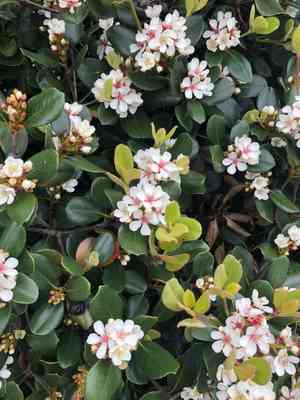
This perennial bush, recognized for its lustrous foliage and groupings of pink or white blossoms, flourishes with consistent upkeep. Essential trimming methods for indian hawthorn involve reducing crowded branches and eliminating deceased or ailing wood to improve air movement and light exposure. The most effective time for pruning is recommended in late spring or early summer after blooming to foster fresh development and preserve its form. Trimming indian hawthorn not only encourages more robust leaves but also extends its flowering duration.
What Are the Benefits of Pruning Indian Hawthorn?
What Are the Benefits of Pruning Indian Hawthorn?
Trimming indian hawthorn is crucial for encouraging abundant blooms and strengthening its resistance to pests and diseases, ensuring a strong and visually appealing shrub.
What Is the Best Time for Pruning Indian Hawthorn?
What Is the Best Time for Pruning Indian Hawthorn?
These periods are ideal as they coincide with indian hawthorn's post-flowering phase, promoting better recovery and development after trimming. Pruning in late spring allows for the removal of any frost damage and shaping before vigorous growth begins. Early summer pruning ensures blooming has finished, minimizing disruption to the flower cycle and potential fruit set, while still leveraging the plant's active growth for rapid healing.
What Tools Do I Need to Prune Indian Hawthorn?
Hand Pruners
Perfect for cutting small branches and shaping indian hawthorn, hand pruners offer precision and are excellent for maintaining the desired size and form. Opt for bypass pruners for clean cuts without crushing branches.
Lopping Shears
Indian hawthorn may develop thicker branches that require more leverage to cut. Lopping shears, with their extended handles, are suitable for cutting branches up to 1.5 inches in diameter, aiding healthy growth and the removal of larger stems.
Pruning Saws
For the thickest stems of indian hawthorn, a pruning saw is recommended. It assists in removing branches over 1.5 inches in diameter that hand pruners and lopping shears cannot manage.
Hedge Shears
When indian hawthorn is grown as a hedge or needs shaping of soft growth, hedge shears are the appropriate tool for creating a uniform shape while allowing for quick trims along the edges.
Gloves
To protect from thorns when pruning indian hawthorn, wear sturdy gloves. This ensures safety and comfort during the pruning process.
How to Prune Indian Hawthorn
Step1: Identify Parts for Trimming
Carefully inspect indian hawthorn to pinpoint the sections needing trimming, focusing on dead wood, diseased branches, and areas of weak growth.
Step2: Sharpen and Clean Pruning Tools
Ensure all pruning tools are sharp and clean to facilitate healthy cuts and minimize the risk of disease transmission.
Step3: Remove Dead Wood
Begin by removing dead wood, cutting at a slight angle approximately 1/4 inch above a living bud or branch junction. Make sure the cut is on healthy wood to prevent disease entry.
Step4: Cut Out Diseased Branches
Next, identify and cut out any diseased branches, making cuts well into healthy tissue below the affected area to prevent the spread of infection.
Step5: Trim Weak Growth
Trim away weak growth, cutting back to a strong outward-facing bud or lateral branch to encourage a more robust and healthy structure.
Step6: Shape Plant Naturally
Shape indian hawthorn by selectively pruning branches to maintain its natural form, avoiding overly aggressive cuts that could stress the plant.
Step7: Cleanup After Pruning
After completing the pruning, clear away all trimmings to eliminate potential sources of disease and deter pests.
Step8: Water and Care Post-Pruning
Water indian hawthorn sufficiently and provide proper care to help the plant recover from pruning and encourage healthy new growth.
Step9: Monitor Plant Health
Monitor indian hawthorn for signs of disease after pruning and address any issues promptly to maintain plant health.
Post-Pruning Care for Indian Hawthorn
Post-Pruning Care for Indian Hawthorn
After pruning, indian hawthorn requires careful attention to promote healing and growth. Immediately water the plant to reduce stress, and apply a balanced fertilizer to replenish lost nutrients. Place indian hawthorn in an environment with indirect light, moderate humidity, and temperatures around 65-75°F. Regularly check for signs of distress such as wilting or discoloration. Should symptoms of infection appear, promptly treat with a suitable fungicide or horticultural oil. Consistent care ensures vigorous regrowth and sustained plant health.
Common Pruning Mistakes with Indian Hawthorn
Avoid Over-Pruning to Prevent Plant Stress
Excessive pruning can be harmful to indian hawthorn's health, diminishing its ability to thrive. This results from removing too much foliage or too many branches at once, which can stress the plant and lead to a weak structure or reduced flowering.
Use Sharp, Clean Tools for Healthy Cuts
Using improper tools, such as dull or unclean pruners, can damage indian hawthorn branches, creating jagged cuts that are more vulnerable to pests and diseases. Clean, sharp tools are essential for making clean cuts that heal quickly.
Ensure Good Airflow with Correct Thinning
Pruning in a way that leaves indian hawthorn's interior excessively dense can hinder light penetration and airflow, which is necessary for preventing fungal diseases and promoting healthy growth. It is important to thin out the canopy correctly, maintaining good plant form while encouraging airflow.
Common Pruning Tips for Indian Hawthorn
Angle Cuts for Outward Growth and Light Penetration
Make cuts at a 45-degree angle, just above an outward-facing bud or branch. This encourages outward growth, which improves indian hawthorn's shape and ensures the plant's center receives adequate light.
Remove Dead or Diseased Branches First
Prioritize removing dead, diseased, or damaged branches. This not only enhances indian hawthorn's appearance but also helps prevent the spread of disease and pests within the plant.
Prune Moderately to Prevent Plant Shock
To stimulate new growth and flowering, prune back leggy or overgrown stems. However, be careful not to remove too much growth at once. It is recommended to prune no more than one-third of the overall plant at any given time to prevent shock.



