How to Prune Sweet azalea?
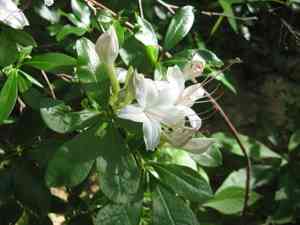
A deciduous bush renowned for its aromatic flowers, sweet azalea necessitates meticulous trimming for its well-being and visual appeal. Employ judicious thinning to eliminate intersecting or lifeless branches and foster air movement. Perform pruning directly following the blooming period to safeguard the subsequent season's flower buds. The perfect period is from late spring to early summer, after the blossoms fade. Pruning benefits sweet azalea by refining its inherent shape, stimulating robust development, and reducing vulnerability to ailments. Refrain from severe cutting to uphold this variety's distinctive architecture.
What Are the Benefits of Pruning Sweet Azalea?
What Are the Benefits of Pruning Sweet Azalea?
Trimming sweet azalea can boost its flower production and aid in disease and pest resistance, ensuring the plant stays robust and attractive while keeping a manageable size and form.
What Is the Best Time for Pruning Sweet Azalea?
What Is the Best Time for Pruning Sweet Azalea?
Pruning sweet azalea in late spring or early summer is advisable, aligning with its post-flowering period. Trimming after the bloom cycle prevents cutting off flower buds, which formed the previous year. This timing also assists the plant's recovery, allowing cuts to heal before winter dormancy. It helps maintain the plant's shape, encourages new growth for the next year, and potentially enhances the floral display. Avoid pruning too late in the growing season, as this can stimulate new growth that may not harden off sufficiently before cold weather, potentially leading to winter damage.
What Tools Do I Need to Prune Sweet Azalea?
Hand Pruners
For precise cuts on smaller, thinner branches. Ergonomic bypass pruners are effective on the softer, live stems of sweet azalea, minimizing tissue damage and promoting faster healing.
Loppers
For branches too thick for hand pruners, typically up to 1.5 inches in diameter. Sweet azalea may have thicker branches that require the added leverage of loppers for clean cuts without harming the plant.
Pruning Saw
For the thickest branches, when loppers are insufficient. A sharp, straight-blade pruning saw is ideal for sweet azalea, handling branches over 1.5 inches in diameter and making clean cuts that encourage proper healing.
Garden Shears
For shaping and trimming smaller foliage or branches. Garden shears can be used for light shaping of sweet azalea after major pruning, as this plant species is known for its dense foliage.
Pole Pruner
For elevated or hard-to-reach branches. If sweet azalea is a mature specimen with considerable height, a pole pruner enables safe trimming without needing a ladder.
How to Prune Sweet Azalea
Disinfect Tools
Before beginning, sanitize all pruning tools to prevent disease transmission to sweet azalea. Use a solution of 1 part bleach to 9 parts water or rubbing alcohol to clean the blades.
Remove Diseased Parts
Identify and carefully remove any diseased leaves and branches from sweet azalea. Cut diseased sections back to healthy tissue, ensuring clean cuts for proper healing.
Trim Dead Material
Prune away all dead branches and withered leaves. For branches, make cuts at a 45-degree angle just above an outward-facing bud or node. For leaves, carefully snip them off at the base without harming new growth.
Deadhead Flowers
Deadhead spent flowers by snipping them off just above the first set of healthy leaves to encourage sweet azalea to direct energy towards healthy growth and potentially more blooms.
Manage Growth
Identify overly vigorous branches and selectively prune them to maintain sweet azalea's desired shape and size. Thinning these branches also improves air circulation, which can reduce the risk of fungal infections.
Common Pruning Mistakes with Sweet Azalea
Over-Pruning
Removing too much foliage from sweet azalea at once can shock the plant and hinder its growth. It's crucial to limit pruning to no more than one-third of the plant's total foliage to avoid stressing it.
Improper Cut Location
Cuts made too far from a bud or leaf node can result in unsightly stubs and increase disease risk. Conversely, cuts made too close can damage the bud and inhibit new growth.
Using Blunt Tools
Utilizing dull or dirty pruning tools can lead to ragged cuts that are more susceptible to infection. Tools should be sharp and clean for precise and healthy cuts.
Neglecting Plant Structure
Ignoring the natural shape and form of sweet azalea can lead to an unbalanced appearance and impede its natural growth patterns. Pruning should maintain or enhance the plant's structure, not work against it.
Pruning For Size Reduction
Cutting sweet azalea back significantly to decrease its size can harm its health and visual appeal. Sweet azalea should be pruned for health and shape, with size control being a secondary objective.
Common Pruning Tips for Sweet Azalea
Selective Thinning
Thinning out crowded branches helps improve air circulation and light penetration, vital for sweet azalea to thrive and bloom. Carefully select branches for removal to maintain an even, aesthetic shape and open structure.
Post-Blooming Pruning
Trimming back spent flowers encourages sweet azalea to conserve energy and potentially produce a second bloom. Snip the flower trusses immediately above the underlying leaf nodes to promote new growth.
Target Dead Or Diseased Wood
Removing dead, diseased, or damaged branches should be a priority to maintain the health of sweet azalea. These cuts help prevent disease spread and encourage new, healthy growth.
Maintain Natural Shape
Pruning should accentuate sweet azalea's naturally appealing form. Remove branches that cross or rub against each other while preserving the plant's overall balance and aesthetic.
Step-Wise Approach
For gardeners looking to rejuvenate an overgrown sweet azalea, a gradual approach over a few seasons is key. This minimizes stress to the plant and allows for assessment of its response to each round of pruning.



