How to Prune Flame azalea?
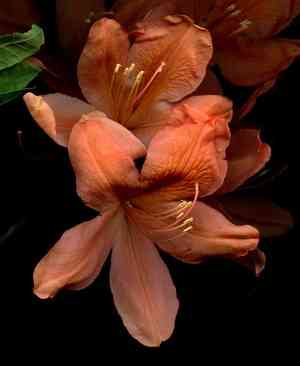
Distinguished by its vivid flowers and shedding leaves, flame azalea flourishes with consistent upkeep. Essential trimming methods include eliminating lifeless or ailing branches, reducing crowded sections for better light and airflow, and sculpting for visual attractiveness. The most effective pruning occurs immediately following its bloom period in late spring to early summer, preventing the removal of the subsequent year's flower buds. This practice encourages robust development, amplifies flowering, and sustains the well-being of this magnificent bush.
What Are the Benefits of Pruning Flame Azalea?
What Are the Benefits of Pruning Flame Azalea?
Trimming flame azalea promotes more vivid blooms and helps deter pests and diseases, ensuring the shrub's strong health and visual appeal.
What Is the Best Time for Pruning Flame Azalea?
What Is the Best Time for Pruning Flame Azalea?
Trimming flame azalea during this period is optimal as it allows the plant to focus energy on healing cuts and new growth without sacrificing flower production. Flame azalea forms buds on the previous year's growth, so pruning in late spring or early summer ensures next year's flower buds can develop on new growth. Pruning outside this recommended window, especially in late fall or winter, may result in the loss of the next season's blooms. Additionally, this timing aids plant health by providing ample recovery time before winter dormancy. It also facilitates the removal of spent flowers, which can improve the plant's appearance and vigor, and reduce pest and disease issues linked to decaying plant material.
What Tools Do I Need to Prune Flame Azalea?
Bypass Pruners
Perfect for making clean cuts on young or green wood of flame azalea without crushing plant tissues.
Pruning Saws
Suitable for cutting through larger, tougher branches of flame azalea that are too thick for hand pruners.
Loppers
Offer leverage to trim hard-to-reach or thicker branches of flame azalea without needing a ladder.
Shears
Best for shaping and trimming the foliage of flame azalea when aiming for a neat, manicured look.
How to Prune Flame Azalea
Step1: Timing Post-Flowering Pruning
Determine the ideal time to prune flame azalea, typically right after blooming to avoid removing next year's flowers. Flame azalea often blooms in late spring or early summer.
Step2: Preparing Pruning Tools
Gather pruning tools such as sharp bypass pruners, gloves, and disinfectant for sanitizing the tools. Sterilize the pruners before use to prevent disease spread.
Step3: Cutting Dead Wood
Begin by removing any dead wood. Carefully make cuts at a slight angle just above a healthy branch junction or bud, ensuring no stub is left as this could encourage disease.
Step4: Removing Diseased Parts
Identify and trim away diseased sections. Make cuts well below the affected areas to ensure all diseased material is removed. Dispose of diseased parts properly to avoid contaminating compost or surrounding areas.
Step5: Deadheading Spent Flowers
Remove spent flowers by cutting just above the first set of leaves below the faded bloom. This will encourage bushier growth and may promote more flowers the following season.
Step6: Shaping for Air Circulation
Shape flame azalea if necessary, removing branches that cross or rub against each other to improve air circulation. Always make shaping cuts just above a set of leaves or at a branch junction.
Step7: Thinning for Light and Air Flow
Thinning out overcrowded areas can enhance light penetration and air flow. Remove some of the smaller branches by cutting back to the main branch or trunk to open up the interior of flame azalea.
Step8: Clean-up of Pruning Debris
After pruning, clear away all trimmings from around the base of flame azalea to prevent disease spread and deter pests from settling in.
Step9: Post-Pruning Watering
Water flame azalea sufficiently after pruning to aid recovery and reduce plant stress.
Step10: Monitoring Plant Health
Monitor flame azalea after pruning for signs of stress, pest infestations, or diseases, and take appropriate measures if needed.
Post-Pruning Care for Flame Azalea
Post-Pruning Care for Flame Azalea
Immediately after trimming flame azalea, ensure it is thoroughly watered to lessen stress. Maintain partially shaded conditions, avoiding direct sun to prevent scorching of newly exposed areas. Optimal humidity should be maintained, so avoid placing flame azalea in overly dry environments. Post-pruning fertilization is not advised until new growth appears. Monitor flame azalea for wilting, discoloration, or lesions, which can indicate stress or infection. Upon such signs, assess and adjust care, potentially seeking expert advice for treatment.
Common Pruning Mistakes with Flame Azalea
Excessive Pruning Reduces Blooms and Damages Plant
Over-trimming, which can stress flame azalea and potentially lead to fewer blooms or even harm the plant.
Improper Cuts on Old Wood Risk Branch Death
Cutting into old wood where there are no active growth buds can result in unproductive cuts and potentially the death of that branch.
Incorrect Bud Pruning Prevents Flowering
Trimming too close to the buds or removing the buds entirely, which eliminates the possibility of flowering on that branch for the season.
Dull Tools Cause Disease and Imprecise Cuts
Using dull or dirty pruning tools, which can make imprecise cuts and introduce disease to flame azalea.
Over-Trimming Foliage Weakens Photosynthesis and Health
Removing too much foliage, which can reduce the plant's ability to photosynthesize and weaken the overall health of flame azalea.
Aimless Pruning Causes Unnecessary Plant Stress
Pruning without a clear reason or goal, such as shaping the plant or removing damaged parts, which can lead to unnecessary stress on flame azalea.
Common Pruning Tips for Flame Azalea
Clean, Sharp Tools for Healthy Cuts
Use clean, sharp tools to make precise cuts, which will help prevent disease and promote quicker healing for flame azalea.
Prune with Purpose for Shape and Health
Identify the reason for pruning, whether it's to maintain the shape, encourage bushier growth, or remove dead or diseased parts of the plant.
Strategic Cuts Above Buds Encourage Growth
Make cuts just above a set of leaves or a bud to promote new growth in the desired direction.
Remove Crossing Branches to Prevent Disease
Remove any crossing or rubbing branches to prevent wounds which can become entry points for disease.
Thin Dense Foliage for Better Circulation and Light
Thin out dense areas to improve air circulation and light penetration, which will enhance overall plant health.
Prune After Flowering to Promote New Buds
After flowering, trim just below the spent flower clusters to encourage the development of new buds for the next season.
Review Your Pruning to Maintain Plant Structure
Always step back and review your work to ensure you're maintaining the natural shape and desired structure of flame azalea.



