How to Prune Smooth sumac?
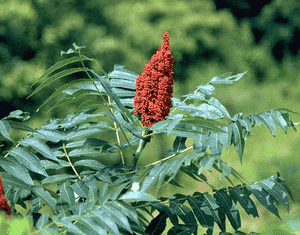
This leaf-shedding bush, celebrated for its vibrant autumn leaves and scarlet fruits, flourishes with appropriate upkeep. Essential trimming methods for smooth sumac involve reducing older stalks to stimulate fresh development and sculpting the plant by eliminating undesirable shoots and limbs. The ideal period for this is from late winter to early spring, right before the growing period commences, to avert sap leakage and facilitate recuperation. Pruning guarantees robust development, improves the shrub's inherent structure, and can aid in managing its expansion within the environment.
Advantages of Trimming Smooth Sumac
Advantages of Trimming Smooth Sumac
Trimming smooth sumac promotes robust new development and assists in preserving its desired form. Consistent cutting improves air circulation, which is crucial for preventing illness and fostering strong vitality.
Optimal Time for Trimming Smooth Sumac
Optimal Time for Trimming Smooth Sumac
Trimming smooth sumac in late winter or early spring is ideal since the plant remains dormant, and the absence of leaves offers a clearer view of its structure. This timing avoids potential stress that pruning can cause during the active growth period and helps smooth sumac recover better without diverting energy from leaf and stem production. Furthermore, as smooth sumac flowers on new growth, pruning at this time encourages vibrant foliage and fruit development, benefiting smooth sumac's overall health and visual appeal.
Required Tools for Trimming Smooth Sumac
Hand Pruners - Bypass Type
For smooth sumac, bypass hand pruners are perfect for making clean cuts on smaller stems and branches. This tool offers precise control, essential for selectively removing small shoots or suckers without harming the rest of the plant.
Loppers
When working with smooth sumac, loppers are excellent for cutting through thicker stems and branches that hand pruners cannot manage. They provide longer handles for leverage and can reach higher into the shrub for effective trimming.
Pruning Saw
For mature smooth sumac with thick branches, a pruning saw is indispensable. Its sharp teeth can cut through wood too large for loppers, ensuring quick and clean cuts without damaging the plant.
Hedge Shears
Smooth sumac's growth habit might necessitate shaping for aesthetic reasons. Hedge shears are ideal for trimming and shaping hedges or for cutting back larger sections of growth in one go. However, use them carefully to avoid excessive pruning.
Gloves and Safety Glasses
While trimming smooth sumac, it's important to shield hands from thorns and eyes from flying debris. Durable gloves and safety glasses are crucial for personal safety during the pruning process.
How to Trim Smooth Sumac
Step1: Tool Preparation
Prepare for trimming by cleaning and sharpening your tools. Ensure you wear gloves and safety glasses to protect yourself from the sharp branches and potential sap of smooth sumac.
Step2: Dead Wood Identification
Identify dead wood by observing branches that lack leaves and flexibility. These typically appear dry and brittle. Begin by removing these as they no longer contribute to the health of smooth sumac.
Step3: Cutting Dead Branches
Use clean, sharp pruning shears or a saw to make cuts on dead wood. Cut just outside the branch collar, the swollen area of trunk tissue at the base of a branch, to promote proper healing.
Step4: Damaged Branches Removal
Inspect smooth sumac for damaged branches that may be split, broken, or injured by environmental factors. These can serve as entry points for pests or diseases and should be removed promptly.
Step5: Diseased Limbs Detection
Make precise cuts to remove damaged branches, following the same method as for dead wood. Ensure not to harm the branch collar to prevent injury to smooth sumac.
Step6: Infected Limb Pruning
Locate diseased limbs by looking for discoloration, unusual growths, or signs of insect infestation on smooth sumac.
Step7: Plant Reshaping
Prune diseased limbs well below the point of visible disease to ensure all affected material is removed from smooth sumac, and sanitize your tools after each cut to prevent spreading pathogens.
Step8: Debris Disposal
Reshape smooth sumac as needed after removing dead, damaged, or diseased limbs, to maintain a balanced structure. Make thinning cuts to improve light penetration and air circulation, which can reduce disease pressure.
Step9: Tool Disinfection
Dispose of all removed material by burning or removing it from the site to prevent any disease from spreading.
Step10: Post-Pruning Monitoring
After pruning, clean and disinfect all your tools to prevent spreading any diseases to other plants in your garden.
Step11: Observation and Responsive Care for Recovery
Monitor smooth sumac closely after pruning for signs of stress or disease, and provide appropriate care, such as mulching or watering, to support its recovery and growth.
Aftercare for Smooth Sumac Following Pruning
Aftercare for Smooth Sumac Following Pruning
Immediately after trimming smooth sumac, water the plant generously to reduce stress and aid in recovery. Position smooth sumac in an area with full sun exposure, ensuring consistent temperature and moderate humidity levels. To replenish nutrients, apply a balanced, slow-release fertilizer, avoiding over-fertilization. Regularly inspect smooth sumac for wilting, discoloration, or signs of infection at the cut sites. If symptoms occur, treat promptly with appropriate fungicides or pest control measures. Proper care ensures smooth sumac's optimal regrowth and health.
Common Pruning Errors with Smooth Sumac
Excessive Pruning Reduces Plant Vigor
A common error is over-pruning or removing too much foliage at once. This can stress smooth sumac, lead to poor plant structure, and potentially reduce its vigor.
Unclean Cuts Invite Pests and Disease
Failing to use clean, sharp tools can result in jagged cuts that are more susceptible to pests and diseases. This mistake could hinder the healing process of smooth sumac.
Ignoring Natural Shape Affects Health
Neglecting the natural shape of smooth sumac during pruning can lead to an unnatural appearance and possibly impair the plant's health.
General Pruning Advice for Smooth Sumac
Remove Dead Branches for Healthy Growth
Trim smooth sumac to remove dead, diseased, or damaged branches, which will help maintain the plant's health and encourage new growth.
Thin Dense Areas for Light and Air
Thin out dense areas to increase light penetration and air circulation within the canopy of smooth sumac, promoting a healthier and more robust plant.
Shape Young Plants for Strong Framework
Regularly remove suckers from the base and prune to shape young smooth sumac, which supports a strong, attractive framework as the plant matures.



