How to Prune Sugar Bush?
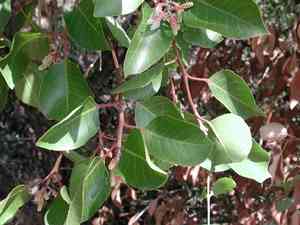
A compact evergreen bush featuring robust foliage and small flower groupings, sugar Bush flourishes with infrequent trimming to preserve its inherent form and eliminate any lifeless or ailing branches. Trim sugar Bush in late spring or early summer subsequent to its flowering period to foster vigorous development and thick leaves. Removing older stalks can revitalize the plant and enhance air movement. Consistent pruning sustains an appealing look and deters excessive growth in cultivated areas.
What Are the Benefits of Pruning Sugar Bush?
What Are the Benefits of Pruning Sugar Bush?
Trimming sugar Bush promotes abundant blooming, boosting its decorative appeal. Strategic cuts also eliminate diseased or pest-ridden sections, improving the plant's health and resilience.
What Is the Best Time for Pruning Sugar Bush?
What Is the Best Time for Pruning Sugar Bush?
Pruning or trimming sugar Bush in late spring and early summer aligns with the plant's post-flowering stage. During this period, sugar Bush has typically finished its blooming cycle, ensuring that pruning doesn't hinder flower production, a vital aspect for maintaining the plant's health and beauty. Furthermore, late spring pruning allows for the removal of any frost damage from winter. Early summer pruning gives sugar Bush ample time to recover and initiate new growth before entering dormancy in colder months. This timing also helps prevent disease spread, as open wounds on the plant heal faster in dry weather, minimizing the risk of fungal infections more common in wet conditions. Pruning during these seasons also enables gardeners to shape sugar Bush while it actively grows, enhancing its structural integrity and encouraging more vigorous growth the following season. Therefore, late spring to early summer pruning optimizes sugar Bush's health and vigor while reducing potential stress and disease incidence.
What Tools Do I Need to Prune Sugar Bush?
Hand Pruners
Perfect for cutting small stems and branches on sugar Bush, hand pruners offer precision and ease of use. Select bypass pruners with sharp blades to make clean cuts without harming plant tissues.
Loppers
When trimming thicker branches that hand pruners can't manage, loppers are the preferred tool for sugar Bush. Their long handles provide leverage to cut through branches up to 1.5 inches thick, typical for a mature sugar Bush.
Pruning Saw
For the thickest branches of sugar Bush, a small chainsaw or handheld pruning saw is advised. They can handle branches thicker than what loppers can cut, ensuring a clean cut on branches over 1.5 inches in diameter.
Gardening Gloves
Protective gloves are crucial when pruning sugar Bush to prevent scratches and irritation from the plant's sticky sap. Gloves also offer a better grip on tools.
How to Prune Sugar Bush
Disinfect tools
Before pruning sugar Bush, clean and sanitize all pruning tools to prevent disease transmission. Use a solution of 1 part bleach to 9 parts water or rubbing alcohol to wipe the blades.
Remove diseased material
Carefully cut away any diseased leaves and branches from sugar Bush. Ensure clean cuts and avoid tearing, which can expose the plant to more stress and potential infection.
Prune dead material
Remove all dead branches and withered leaves from sugar Bush to maintain healthy growth and appearance. Make cuts at a 45-degree angle just above an outward-facing bud to promote outward growth.
Trim excess growth
For sugar Bush's excessive growth branches, selectively prune to shape the plant and control its size. Target older and thicker stems that restrict light and air flow to the plant's interior.
Deadhead flowers
Remove spent flowers from sugar Bush by snipping the stem just above the first set of healthy leaves. This encourages further blooming and prevents the plant from expending energy on seed production.
Common Pruning Mistakes with Sugar Bush
Overpruning
Removing too much foliage can stress sugar Bush, leading to poor growth and reduced vigor. Gardeners should avoid cutting away more than one-third of the plant's total volume in a single pruning session.
Improper Tool Use
Using dull or unclean tools can result in jagged cuts that are more susceptible to infection. It's essential to use sharp, sterilized pruning shears to make clean cuts on sugar Bush.
Random Cutting
Pruning without a plan can lead to an unbalanced shape and may harm sugar Bush's natural growth pattern. Gardeners should have a clear idea of why and what they're pruning before starting.
Ignoring Dead Wood
Failing to remove dead or diseased wood can attract pests and diseases. This is a common oversight that can negatively impact the health of sugar Bush.
Pruning for Size Reduction
Attempting to significantly reduce the size of sugar Bush through heavy pruning can be detrimental. This species is not well-suited to size containment via pruning and should be allowed to grow to its natural size when possible.
Common Pruning Tips for Sugar Bush
Selective Pruning
Focus on thinning out crowded areas to improve air circulation and light penetration. Selective pruning can also maintain sugar Bush's natural form and enhance its aesthetic appeal.
Cutting Technique
Make cuts at a 45-degree angle just above outward-facing buds to encourage sugar Bush to grow outwards rather than inwards, which helps shape the plant and promote healthy growth.
Rejuvenation Pruning
For older sugar Bush plants, gradual rejuvenation pruning may be employed by selectively removing older stems over several growing seasons, stimulating new growth and vitality.
Health Maintenance
Regularly inspect sugar Bush for signs of disease or pest activity. Promptly prune away affected areas to prevent further spread, making sure to clean the pruning tools afterwards to avoid cross-contamination.
Post-Pruning Care
After pruning sugar Bush, applying a layer of mulch around its base can help retain soil moisture and provide nutrients. Watering the plant adequately, especially during dry periods, assists in recovery and encourages new growth.



