How to Prune California tree poppy?
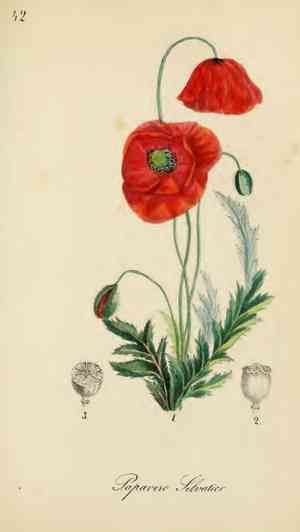
Recognized for its substantial white blossoms featuring yellow cores, california tree poppy presents a prominent feature in garden designs. Severely cut back in early spring to encourage denser development; eliminating aged branches improves flowering. Consistent removal of spent blooms prolongs floral output until late summer. Trimming not only sculpts california tree poppy but also fosters more robust, easier-to-manage specimens, lowering the chance of illness for this arid-adapted variety.
What Are the Benefits of Pruning California Tree Poppy?
What Are the Benefits of Pruning California Tree Poppy?
Trimming california tree poppy promotes robust development and helps maintain its desired shape. It encourages new shoots that produce flowers, ensuring a beautiful display while keeping the plant manageable and visually appealing.
What Is the Best Time for Pruning California Tree Poppy?
What Is the Best Time for Pruning California Tree Poppy?
Pruning in early spring is advantageous as it allows california tree poppy to channel energy into new growth after the pruning process. This is when the plant is emerging from dormancy, making it an ideal time to shape it and remove any frost damage from winter. Late summer pruning coincides with the end of california tree poppy's main blooming cycle, which aids in removing spent flowers and can stimulate a second bloom before autumn. It also permits the plant to heal and establish new growth before entering dormancy. These periods ensure california tree poppy maintains vigor, encourages healthy blooms, and prevents the risk of disease and pest infestation linked to ill-timed pruning.
What Tools Do I Need to Prune California Tree Poppy?
Bypass Pruners
For california tree poppy, which possesses a delicate structure and relatively slender stems, bypass pruners are perfect. They create clean cuts, crucial for the plant's health, and can easily sever stems up to 1/2 inch in diameter.
Long-Handled Loppers
When needing to reach into denser growth or cut through slightly thicker branches up to 1 and 1/2 inches in diameter, long-handled loppers offer the necessary leverage and reduce strain.
Pruning Saw
For any branches thicker than what loppers can manage, a pruning saw is indispensable. It enables cutting through thicker, woodier stems typical of mature california tree poppy without harming surrounding plant tissue.
Gloves
California tree poppy has a sap that can irritate skin, so gloves are vital to protect the gardener's hands during the pruning process.
Disinfectant
To prevent disease transmission, disinfectant should be applied to pruning tools between cuts, especially when removing diseased material from california tree poppy.
How to Prune California Tree Poppy
Step1: Assessment of Plant Health
Evaluate california tree poppy before pruning to identify parts needing attention. Locate all dead flowers, brown leaves, and weak stems. Pruning is best performed in late winter or early spring before new growth commences.
Step2: Tool Preparation and Sanitization
Prepare your tools. Utilize sharp, clean pruning shears or loppers for precise cuts. Sanitize your tools before use to prevent disease spread.
Step3: Deadheading Flowers
Begin by removing spent flowers. Snip these off just above the first set of leaves below the bloom to encourage healthy new growth and potentially extend the flowering period.
Step4: Selective Leaf Pruning
Trim brown leaves by tracing them back to their origin point. Make the cut at the base of the leaf where it connects to the stem or branch, being careful not to damage nearby healthy tissue.
Step5: Weak Stem Removal
Identify weak stems, which are often thinner and appear less vigorous than others. Prune these stems back to a strong lateral branch or all the way to the base of california tree poppy if necessary to promote stronger growth.
Step6: Overall Plant Shaping
After pruning specific parts, step back to assess the overall form of california tree poppy. If further shaping is required, prune to maintain a natural and pleasing appearance.
Step7: Cleanup of Pruning Debris
Remove all cuttings and debris from the base of california tree poppy to prevent disease and pest infestations.
Step8: Post-Pruning Watering
Water california tree poppy deeply after pruning to aid recovery and stimulate new growth. Ensure to follow regular watering needs for california tree poppy as it develops new foliage and flowers.
Step9: Growth Monitoring and Health Check
Monitor california tree poppy after pruning for signs of new growth and overall health. Pruning can sometimes trigger a flush of fresh, vigorous development.
Post-Pruning Care for California Tree Poppy
Post-Pruning Care for California Tree Poppy
Immediately after trimming california tree poppy, ensure it receives ample water to assist recovery, being careful not to over-saturate the soil. California tree poppy thrives in full sunlight and well-draining conditions; adjust the surrounding environment to maintain these conditions post-pruning. Apply a balanced fertilizer to replenish nutrients. Observe california tree poppy for wilting, discoloration, or signs of disease, and counteract any stress by modifying care practices accordingly. Regular observation will support healthy regrowth.
Common Pruning Mistakes with California Tree Poppy
Avoid Cutting Old, Non-Regenerative Wood
Cutting into old wood that lacks new growth can stress or harm california tree poppy, as it may not regrow from aged stems.
Don't Remove Excessive Foliage at Once
Removing too much foliage simultaneously can shock california tree poppy, potentially stunting its growth or reducing its ability to photosynthesize effectively.
Remove Dead or Diseased Wood Regularly
Failing to remove dead or diseased wood can lead to pest infestations or disease spread, which can compromise the overall health of california tree poppy.
Use Sharp and Clean Pruning Tools
Utilizing dull or dirty pruning tools can result in jagged cuts or the transfer of pathogens to california tree poppy, hindering healthy growth.
Prune with Clear Goals for Plant Shape
Pruning without a clear objective, such as shaping or removing specific parts, can lead to an unattractive plant form and impede potential blooms in california tree poppy.
Common Pruning Tips for California Tree Poppy
Use Clean, Sharp Tools for Precise Cuts
Always use clean, sharp tools to make precise cuts and minimize damage to california tree poppy's stems and foliage.
Thin Dense Growth for Better Air and Light
Focus on thinning out dense growth to improve air circulation and light penetration, which can enhance blooming in california tree poppy.
Prune to Healthy Leaves or Buds for Growth
Cut back to a healthy set of leaves or buds to encourage new growth without risking damage to the main structure of california tree poppy.
Cut Away Dead, Diseased, Damaged Stems Safely
Regularly remove dead, diseased, or damaged stems to maintain the health and appearance of california tree poppy, doing so with careful cuts that avoid harming nearby healthy tissue.
Shape Gradually to Avoid Excessive Pruning
Shape california tree poppy gradually, over several seasons if necessary, to avoid excessive foliage removal at one time and to maintain a natural, aesthetically pleasing form.



