How to Prune Multiflora rose?
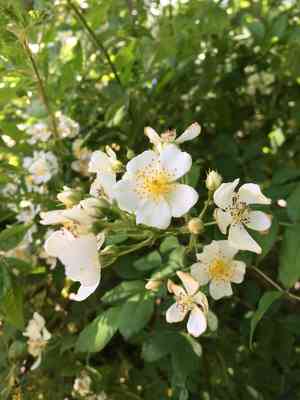
Distinguished by their robust development and profusion of white flowers, multiflora rose thrives with careful trimming. To achieve peak vitality and form, trim multiflora rose during early spring or late winter, focusing on stems that are dead, ailing, or excessively long. Selective thinning is essential for improving air movement and light exposure, thereby lowering the likelihood of illness. Thoughtful elimination of mature canes fosters renewal, boosting bloom production since multiflora rose flowers on fresh growth. Pruning this variety assists in managing its expansion, which is critical given its invasive tendencies.
What Are the Benefits of Pruning Multiflora Rose?
What Are the Benefits of Pruning Multiflora Rose?
Trimming multiflora rose encourages more abundant flowering and promotes a more robust and healthy growth pattern. Regular cutting helps maintain multiflora rose's desired form and dimensions, preventing excessive growth and ensuring an attractive appearance.
What Is the Best Time for Pruning Multiflora Rose?
What Is the Best Time for Pruning Multiflora Rose?
Late winter and early spring are considered ideal for pruning multiflora rose because this timing coincides with the plant's dormant phase before new growth begins. Pruning during dormancy minimizes stress on multiflora rose and reduces the chance of disease transmission or sap loss that can occur in warmer seasons. Additionally, it is easier to observe and correct the structure of multiflora rose without leaves. This timing also prevents cutting off the next season's buds, which develop after pruning, ensuring multiflora rose can produce a healthy bloom in the following season.
What Tools Do I Need to Prune Multiflora Rose?
Bypass Pruners
These are essential for making clean cuts on the thinner, more delicate stems of multiflora rose. Bypass pruners operate like scissors where two sharp blades pass by each other, allowing for precise cuts that promote quick healing.
Loppers
For thicker canes that bypass pruners can't handle, loppers are appropriate. They provide more leverage and have longer handles, which helps in reaching into the dense growth habit of multiflora rose without causing damage to the plant or the gardener.
Pruning Saw
When dealing with the oldest, thickest canes of multiflora rose, a pruning saw is necessary. It allows for cutting through wood that is too thick for loppers, ensuring the removal of older wood to rejuvenate the plant.
Gloves
Thick gloves are crucial for protecting the hands from the thorns of multiflora rose, as it is known for being quite thorny. They provide a safety measure to prevent scratches and cuts.
Protective Clothing
Due to the thorny nature of multiflora rose, wearing protective clothing, such as a long-sleeved shirt, is advisable to protect the skin from being scratched.
Pruning Sealer
While not essential, some gardeners prefer to use pruning sealer on larger cuts to promote healing and prevent diseases from entering the pruning wounds of multiflora rose.
How to Prune Multiflora Rose
Step1: Health and Structure Assessment
Evaluate the overall health and structure of multiflora rose, identifying areas with old growth, damaged wood, and excessive suckers.
Step2: Pruning Tool Sanitization
Sanitize your pruning tools with a 10% bleach solution or rubbing alcohol to prevent spreading plant diseases.
Step3: Personal Protective Equipment
Wear gloves and protective clothing, as multiflora rose can have thorns and can cause scratches or irritation.
Step4: Optimal Pruning Season Timing
Begin pruning multiflora rose in late winter or early spring before new growth appears, which will allow you to see the structure clearly and avoid cutting new blooms.
Step5: Dead Wood Removal Technique
Remove any dead, diseased, or damaged wood by making clean cuts at a 45-degree angle about 1/4 inch above an outward-facing bud or branch intersection.
Step6: Old Growth Thinning
Thin out old growth to stimulate new growth and flowering. Cut selected older canes down to the ground, ensuring you do not remove more than one-third of the plant's canes each year.
Step7: Size and Shape Control
Control the size and shape of multiflora rose by trimming away excessive growth. Make your cuts to shape the plant while maintaining a balanced, open structure.
Step8: Sucker Pruning
Identify and prune excessive suckers, which are shoots that grow from the rootstock. Cut these as close to the base as possible without damaging the main root structure.
Step9: Post-Pruning Cleanup
After completing the pruning process, clean up all the cuttings from the ground to prevent any diseases or pests harboring in the debris from affecting multiflora rose.
Step10: Debris Disposal
Dispose of the debris properly, not in the compost, especially if it contains diseased material.
Step11: Post-Pruning Hydration
Water the base of multiflora rose thoroughly after pruning to help the plant recover and establish new growth.
Step12: Growth Monitoring and Maintenance Pruning
Monitor multiflora rose for new growth throughout the growing season and perform light pruning as necessary to maintain shape and health.
Post-Pruning Care for Multiflora Rose
Post-Pruning Care for Multiflora Rose
Immediately after pruning multiflora rose, ensure adequate watering to support healing. Maintain balanced light and protect from intense sun. Monitor humidity and avoid extreme fluctuations to prevent stress. Adjust temperature to moderate levels, suitable for multiflora rose's recovery. Apply a balanced fertilizer to replenish nutrients and encourage healthy new growth. Regularly inspect the pruned areas for signs of disease or stress, such as discoloration or wilted leaves. If symptoms occur, address promptly with appropriate plant healthcare measures.
Common Pruning Mistakes with Multiflora Rose
Over-pruning: Too Much Foliage and Stem Removal
Over-pruning, which involves removing too much of multiflora rose's foliage and stems at once, potentially stressing the plant and impacting its overall health and bloom.
Improper Tools: Dull or Dirty Causing Poor Cuts
Using dull or dirty pruning tools, leading to jagged cuts that can invite pests and disease, and impede the healing process.
Neglect: Not Removing Dead or Diseased Wood
Neglecting to remove dead or diseased wood promptly, which can allow disease to spread and weaken multiflora rose.
Aimless Pruning: Unintended Shape or Lost Buds
Pruning without a clear goal in mind, resulting in an undesirable shape or size, and possibly removing too many flower buds.
Leaving Stubs: Hinders Healing and Invites Problems
Leaving stubs after cutting branches, which can prevent proper healing and become entry points for pests and disease.
Common Pruning Tips for Multiflora Rose
Use Sharp Clean Tools for Quick Healing Cuts
Always use sharp, clean pruning shears or loppers to make clean, angled cuts that heal quickly and minimize the risk of disease.
Promote Open Center for Light and Air Circulation
Prune multiflora rose to maintain an open center, allowing light and air to reach the middle of the bush, which helps reduce the risk of fungal diseases.
Prune Dead and Diseased Branches for Health
Remove any dead, diseased, or crossing branches to promote healthier growth and improve the overall structure of multiflora rose.
Cut Above Outward-Facing Buds for Directed Growth
When cutting back live stems, prune just above a strong outward-facing bud to direct new growth away from the center of the plant.
Thin Out Weak Canes to Strengthen multiflora rose
Thin out weaker canes at their base to stimulate vigorous new growth and allow more energy to be directed to the stronger parts of multiflora rose.
Balance Shape Considering multiflora rose's Natural Habit
Balance the overall shape of multiflora rose during pruning, keeping the natural habit of the plant in mind to achieve an aesthetically pleasing and healthy specimen.



