How to Prune Redvein dock?
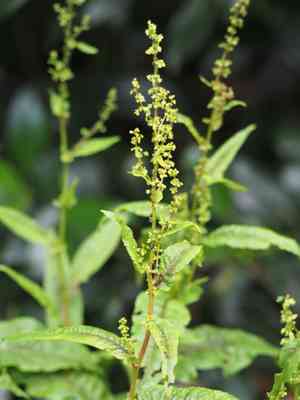
A persistent herbaceous plant featuring prominent red-veined foliage, redvein dock flourishes with consistent trimming to preserve its form and stimulate fresh development. Perform pruning from early spring through early summer, eliminating deceased or excessively long stems near the plant's foundation. After flowering, snip off the flower stalks to deter self-propagation if preferred. Trimming improves air movement, lowers the likelihood of illness, and sustains redvein dock's attractive appearance in garden beds.
Advantages of Trimming Redvein Dock
Advantages of Trimming Redvein Dock
Trimming redvein dock promotes robust development and maintains its form. It's crucial for optimal plant vitality, enhancing air circulation, light penetration, and fostering a strong framework.
Optimal Time for Trimming Redvein Dock
Optimal Time for Trimming Redvein Dock
Trimming in early spring ensures the removal of any winter-damaged or dead foliage before the plant's active growth period. This timing allows redvein dock to channel energy into producing healthy new shoots and leaves, which is vital for its vigorous growth and health. Late summer trimming is ideal as it coincides with post-flowering, enabling gardeners to shape the plant and remove spent flower stalks, which encourages healthier foliage and prepares redvein dock for the subsequent growing season. These periods avoid cutting during peak growth and flowering to prevent plant stress and preserve its aesthetic appeal and photosynthetic capacity.
Tools Required for Trimming Redvein Dock
Hand Pruners
Perfect for cutting stems up to 3/4 inches thick, allowing precise cuts without harming redvein dock.
Pruning Shears
Best for shaping and removing smaller stems and leaves on redvein dock to maintain desired aesthetics.
Gardening Gloves
Offers protection from redvein dock's potentially rough edges while handling the plant.
Pruning Saw
Necessary for older, woodier stems of redvein dock that have become too thick for hand pruners to cut cleanly.
How to Trim Redvein Dock
Step1: Identification and Removal of Damaged Parts
Inspect redvein dock to pinpoint damaged sections such as broken, diseased, or dead leaves and stems. Remove these first to prevent disease spread and enhance overall plant health.
Step2: Clean Cutting Method
Utilize clean, sharp, and sterilized pruning shears to prevent infection. Make cuts at a 45-degree angle to encourage healing and prevent water accumulation on the cut surface, which can lead to rot.
Step3: Precise Damaged Leaf Trimming
To remove damaged leaves, cut back to the base of the leaf stem, being careful not to harm the main stem or adjacent healthy leaves.
Step4: Old Stem Trimming
For trimming old stems, look for stems that are discolored, woody, or have ceased producing leaves. Cut these stems back to the base or to a healthy side shoot.
Step5: Plant Shaping and Airflow Enhancement
Shape redvein dock by trimming overgrown stems, following the plant's natural form to maintain an aesthetically pleasing look while improving air circulation.
Step6: Post-Trimming Cleanup
After trimming, clear away all cuttings to prevent them from becoming a breeding ground for pests and diseases. Compost healthy plant material and dispose of any diseased parts.
Step7: Post-Trimming Watering
Water redvein dock after trimming to help reduce plant stress and encourage new growth. However, ensure the soil is well-draining to prevent root rot.
Step8: Growth Monitoring and Maintenance
Monitor redvein dock for new growth and additional trimming needs. Regular maintenance can help promote a robust and healthy plant structure.
Post-Trimming Care for Redvein Dock
Post-Trimming Care for Redvein Dock
Immediately after trimming redvein dock, ensure clean cuts to aid healing. Place redvein dock in dappled light, maintain moderate humidity, and avoid temperature extremes to reduce stress. A balanced, slow-release fertilizer will support recovery; apply according to label instructions. Monitor redvein dock for wilt, discoloration, or lesions, indicative of stress or infection. If symptoms appear, adjust care and consult a plant pathologist if necessary. Consistent observation is critical for redvein dock's post-trimming well-being.
Common Trimming Errors with Redvein Dock
Excessive Trimming Harms Plant Health
Over-trimming, which can stress redvein dock and reduce its vigor.
Incorrect Trimming Can Damage Plant Structure
Trimming too close to the main stem or base, risking damage to the central structure of redvein dock.
Neglecting Dead Foliage Leads to Health Issues
Ignoring dead or diseased foliage which can lead to further plant health issues.
Dull Tools Cause Jagged Cuts and Disease
Using dull or unclean trimming tools, potentially causing jagged cuts and introducing pathogens to redvein dock.
Trimming Without Purpose Alters Growth
Trimming without a clear goal, leading to an undesirable shape or unintended impacts on redvein dock's growth pattern.
Common Trimming Advice for Redvein Dock
Sharp Shears for Clean Cuts and Quick Healing
Use sharp, clean trimming shears to make clean cuts on redvein dock, minimizing disease risk and promoting quicker healing.
Remove Unhealthy Foliage for Plant Health
Focus on removing dead, damaged, or diseased foliage to maintain the health and aesthetic appeal of redvein dock.
Angle Cuts for Directed Growth
When trimming, make cuts just above leaf nodes at a 45-degree angle to encourage new growth in the desired direction.
Trim to Maintain Natural Plant Shape
Maintain the natural shape of redvein dock by selectively removing overgrown or misplaced stems instead of shearing off the top indiscriminately.
Thinning Improves Airflow and Growth
Thin out dense areas to improve air circulation and light penetration throughout redvein dock, which helps prevent disease and promotes even growth.



