How to Prune Rue?
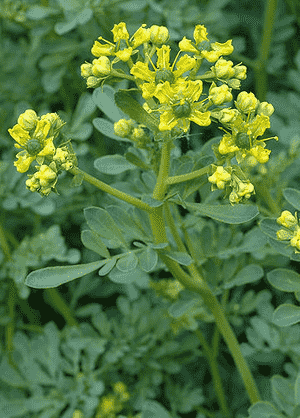
This enduring herbaceous plant showcases yellow blossoms and bluish-green foliage possessing a potent aroma. For Ruta graveolens, remove withered stems and spent flowers to encourage development and preserve its form. The ideal period for this is following its blooming phase, mainly in early spring or late autumn, to avert harm from freezing temperatures. Consistent cutting manages its dimensions, prevents excessive growth, and improves air movement, thereby lowering the likelihood of illness. It is recommended to wear protective gloves because of its sap, which can cause skin irritation.
What Are the Benefits of Pruning Rue?
What Are the Benefits of Pruning Rue?
Trimming rue promotes robust development and maintains its desired form. Consistent cutting eliminates dead material and fosters a stronger framework, enhancing the plant's look and general vitality.
What Is the Best Time for Pruning Rue?
What Is the Best Time for Pruning Rue?
Pruning rue in early spring encourages vigorous new growth, as the plant is emerging from dormancy and can quickly recover from the stress of trimming. This timing aligns with the plant’s natural growth cycle, revitalizing rue and promoting a sturdy structure. Trimming during this period also prevents unnecessary loss of vital energy needed for spring growth, which could occur if pruned too late in the growing season. Late fall pruning is suitable as it prepares rue for winter by removing any dead or diseased foliage, minimizing the risk of fungal infections or infestations that can thrive in decaying plant material. It is important, however, to ensure this is done before the first winter frost to prevent damage to new cuts that can occur in freezing temperatures. Both timings ensure the plant maintains its shape and size and contributes to the overall health and productivity of rue, including its flowering or fruiting performances in the following season.
What Tools Do I Need to Prune Rue?
Hand Pruners
Rue is a woody perennial herb that needs occasional trimming to keep its shape and remove any dead or damaged branches. Hand pruners, also known as secateurs, are perfect for this job as they provide a clean cut and can easily handle the relatively small diameter of rue's branches.
Pruning Gloves
Due to the strong, pungent smell and potential skin-irritating properties of rue, it is advisable to use gloves during pruning. This will protect the gardener's skin from the plant's essential oils that may cause irritation.
How to Prune Rue
Step1: Tool Sanitization
Clean your tools before pruning rue to prevent the spread of disease. Use alcohol wipes or a solution composed of one part bleach to nine parts water to clean pruning shears and other cutting tools.
Step2: Health and Shape Assessment
Evaluate the overall shape and health of rue and identify which parts need trimming, such as old wood, dead branches, and damaged stems.
Step3: Dead Branch Removal
Begin by removing dead or diseased branches first. Make cuts at a 45-degree angle, about 1/4 inch above a healthy leaf node or branch junction. This angle helps to prevent water from accumulating on the cut surface and promotes healing.
Step4: Old Wood Pruning
To remove old wood and encourage new growth, selectively prune older stems that show signs of reduced vigor. Cut each stem back to a younger, healthy side shoot. If the shoot is non-existent, prune back to a point where there is healthy wood.
Step5: Damaged Stem Trimming
Trim any damaged stems back to a point of healthy growth, ensuring a clean and sharp cut. Do not leave any jagged or torn surfaces as they can be entry points for pests and diseases.
Step6: Plant Shaping
Shape rue by cutting back overgrown branches to maintain a neat, natural form. Avoid excessive trimming, and always aim to respect the natural shape of the plant.
Step7: Post-Pruning Care
Monitor the plant for a few days to ensure no further signs of stress or disease. Post trimming, make sure rue has adequate water and fertilizer to support new growth.
Step8: Trimmed Material Disposal
Dispose of all trimmed material properly, as it may harbor pests or disease. Do not compost diseased material as it can contaminate your compost and subsequently your garden.
Step9: Post-Pruning Tool Care
Clean and sanitize your tools after finishing to keep them in good condition and prevent them from spreading diseases to other plants.
Post-Pruning Care for Rue
Post-Pruning Care for Rue
Immediately after pruning rue, ensure the plant has adequate water to recover. Maintain a well-lit environment without direct, harsh sunlight that could stress the freshly cut areas. Keep the temperature steady, avoiding extremes, with moderate humidity to facilitate healing. Apply a balanced, slow-release fertilizer to nourish rue during its regrowth phase. Observe rue for wilting, discoloration, or signs of infection, such as oozing from cuts, which may necessitate a fungicide application. Prioritize gentle care and minimal disturbance to support rue's recovery.
Common Pruning Mistakes with Rue
Over-Pruning Weakens Plants
Trimming too aggressively, which can stress rue and result in weaker plants or reduced flowering.
Using Dull or Dirty Tools
Employing dull or unclean pruning tools, leading to jagged cuts that can invite pests and diseases to rue.
Over-Trimming Flowering Wood
Removing too much of the old wood where flowers are produced, potentially reducing rue's ability to bloom.
Neglecting Dead Wood Removal
Failing to remove any dead or diseased wood, which can affect the overall health and appearance of rue.
Ignoring Protective Gear
Pruning without wearing protective gloves, risking exposure to rue's sap which can cause skin irritation.
Common Pruning Tips for Rue
Clean Cuts with Sharp Tools
Use sharp, clean shears or secateurs to make precise cuts, ensuring a quick healing process for rue.
Improving Air Circulation
Thin out crowded growth to improve air circulation, which decreases the likelihood of fungal diseases affecting rue.
Trimming for Health and Shape
Trim off dead and damaged stems to maintain the plant's shape and encourage the growth of healthy foliage and blooms on rue.
Regular, Light Pruning
Conduct selective light pruning regularly, removing just enough to stimulate new growth without overdoing it.
Guiding Growth Direction
Prune just above a leaf or bud that faces the direction you want new growth to take, directing the shape and structure of rue.
Protect Skin from Sap
Wear long sleeves and gloves to protect your skin from rue's potent sap during the pruning process.
Preventing Disease Spread with Tool Hygiene
Regularly clean your tools between cuts to prevent the spread of any diseases to or from rue.



