How to Prune Pussy willow?
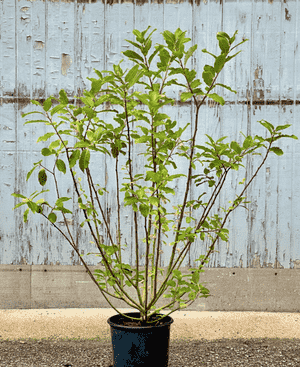
Pussy willow, a deciduous shrub recognized for its early spring catkins, flourishes with judicious trimming to preserve its vitality and form. The most suitable period for pruning is late spring to early summer, following its blooming phase, to avert sap leakage. Eliminate any lifeless or frail branches and reduce crowded sections to enhance light exposure and air movement. Consistent pruning stimulates fresh development and the production of more substantial catkins. A crucial aspect involves employing sanitized, sharp implements to preclude the spread of pathogens.
What Are the Benefits of Pruning Pussy Willow?
What Are the Benefits of Pruning Pussy Willow?
Trimming pussy willow promotes abundant flowering and helps prevent pests and diseases, leading to a healthier and more vibrant plant.
What Is the Best Time for Pruning Pussy Willow?
What Is the Best Time for Pruning Pussy Willow?
In late spring and early summer, pussy willow has finished its main blooming period, which typically occurs in early spring when its distinctive catkins are visible. Pruning at this time allows gardeners to remove spent flowers and shape the plant without impacting next year's blooms. Post-bloom pruning encourages new growth and ensures the plant has ample time to recover and develop new foliage throughout the growing season. Furthermore, this timing reduces the risk of disease and pest infestation, as fresh cuts are less vulnerable when the plant is actively growing and conditions are less favorable for pathogens. This period also avoids the dormant phase of pussy willow in late fall and winter, when pruning could weaken the plant before cold weather arrives. Thus, adhering to this optimal pruning schedule supports the health, vigor, and aesthetic form of pussy willow.
What Tools Do I Need to Prune Pussy Willow?
Bypass Pruners
Perfect for making clean cuts on pussy willow's thinner stems, bypass pruners operate like scissors and are less likely to crush the plant's delicate tissues.
Loppers
Suitable for cutting through pussy willow's thicker branches, approximately 1.5 to 2 inches in diameter, loppers offer leverage and reach, making them essential for shaping and thinning the plant.
Pruning Saw
For branches exceeding 2 inches in diameter, a pruning saw is necessary to cut through pussy willow's woody growth without harming the rest of the plant.
Hand Shears
Pussy willow may require shaping for decorative purposes. Hand shears can assist in shaping the foliage and maintaining the plant's desired appearance.
Gardening Gloves
Protective gloves are vital for safety while pruning pussy willow, as they shield hands from cuts and scratches.
Pruning Sealer
After cutting larger branches, applying a pruning sealer can help protect pussy willow from diseases and insect infestations.
How to Prune Pussy Willow
Step1: Determine Optimal Pruning Time
Identify the best period for pruning. For pussy willow, the ideal time is late winter or early spring before new growth begins. This timing helps stimulate new growth, which often includes the attractive catkins for which pussy willow is known.
Step2: Tool Preparation and Sterilization
Prepare the necessary implements. Use clean and sharp bypass pruners or loppers for smaller branches and a pruning saw for thicker limbs. Disinfect tools prior to use to prevent disease transmission.
Step3: Identify Withered Stems for Removal
Examine pussy willow for withered stems. These are typically older stems that no longer produce vigorous growth or catkins. Look for stems that are visibly shriveled, brown, and dry.
Step4: Prune Withered Stems Above Healthy Buds
Begin trimming the withered stems. Cut these stems back to a healthy bud or set of buds, ensuring the cut is made approximately 1/4 inch above the buds and at a 45-degree angle away from the bud to facilitate water runoff and prevent rot.
Step5: Thin Out Dense Growth
Address dense growth to improve air circulation. Thin out the center of pussy willow by removing some of the older stems at their base. Choose stems that are crossing or rubbing against each other, which can lead to wounds and infection.
Step6: Inspect for Damaged Branches
Assess pussy willow for damaged limbs. Look for any branches that show signs of damage from weather, pests, or disease. Damage may include split wood, holes, or discoloration.
Step7: Prune Damaged Limbs Appropriately
Trim the damaged limbs. Make clean cuts to remove these limbs slightly above the point of damage, but be sure to assess whether the entire limb needs removal or if cutting back to a healthy side branch or bud is sufficient.
Step8: Reshape Plant for Aesthetic Balance
Reshape pussy willow if necessary. After removing withered stems, dense growth, and damaged limbs, step back to look at the overall shape. If the shape of pussy willow is uneven or too wide, selectively remove branches to create a balanced, natural-looking form.
Step9: Debris Cleanup Around Plant Base
Clean up. Remove all cuttings from around the base of pussy willow to prevent the potential spread of pests and diseases. Dispose of diseased material properly and do not compost.
Step10: Post-Pruning Plant Care
Provide aftercare for pussy willow. Water the plant if soil conditions are dry, apply mulch to retain moisture, and consider fertilizing if the growth is sluggish to encourage vigorous new growth.
Post-Pruning Care for Pussy Willow
Post-Pruning Care for Pussy Willow
After trimming pussy willow, promptly water the plant to aid healing. Position pussy willow in a spot with indirect sunlight to conserve moisture without causing stress. Maintain consistent humidity and temperature to stabilize the environment. Fertilize with a balanced, slow-release formula to encourage growth. Monitor pussy willow for wilting or discolored leaves, which could indicate stress or infection. If such symptoms appear, adjust care and consult a horticultural expert for potential disease management.
Common Pruning Mistakes with Pussy Willow
Over-pruning: Never Remove More Than 1/3
Excessive pruning, which can stress pussy willow and hinder its growth. Removing more than one-third of the plant at any given time is generally too much.
Using Wrong or Dull Tools: Causes Jagged Cuts
Not using the correct tools or using dull tools, which can result in jagged cuts that are more vulnerable to disease and pests.
Ignoring Diseased Branches: Prioritize Plant Health
Overlooking diseased or broken branches and focusing solely on shaping, which can lead to further health issues for pussy willow.
Prune with Clear Goals: Avoid Unbalanced Shapes
Trimming without a clear objective or plan, which can lead to an unbalanced shape and reduced vigor.
Disinfect Tools: Prevent Spread of Pathogens
Failing to disinfect tools before and after pruning, potentially spreading pathogens from one plant to another.
Common Pruning Tips for Pussy Willow
Use Sharp, Clean Shears for Quick Healing Cuts
Always use sharp, clean pruning shears to make precise cuts that will heal rapidly and minimize the risk of disease.
Cut at 45-Degree Angle Above Growth Nodes
When shaping pussy willow, snip branches at a 45-degree angle just above a node where new growth can emerge.
Remove Dead, Dying, Diseased Branches First
Prioritize removing dead, dying, or diseased branches first to maintain the health and appearance of pussy willow.
Thin Center for Better Light and Air Circulation
Thin out the center of pussy willow to increase light penetration and air circulation, which helps prevent disease.
Practice Directional Pruning for Natural Growth
Practice directional pruning, where you cut back to a point that will promote growth in the desired direction to maintain the natural form of pussy willow.
Stagger Cuts When Reducing Plant Size
When reducing height or width, stagger your cuts to avoid creating a blunt, unnatural shape.
Avoid Cutting Main Trunk and Thick Branches
Refrain from cutting into the main trunk or older, thicker branches unless they are dead or causing structural issues.



