How to Prune Baby sage?
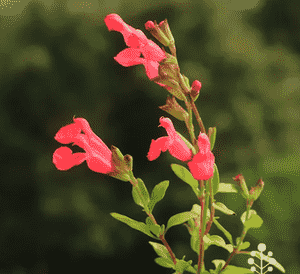
A favored perennial recognized for its abundant blossoms and aromatic leaves, baby sage flourishes with consistent pruning. Trim sparingly throughout the year to sculpt and foster denser development. Remove faded blooms to encourage ongoing flowering. For revitalization, severely cut back in late winter or early spring, steering clear of frosty conditions. Trimming improves air movement, lowering the chance of illness while stimulating fresh, robust growth.
What Are the Benefits of Pruning Baby Sage?
What Are the Benefits of Pruning Baby Sage?
Trimming baby sage promotes abundant blooms, stimulates strong development, and maintains a compact, attractive form, which is crucial for this species' health and visual appeal.
What Is the Best Time for Pruning Baby Sage?
What Is the Best Time for Pruning Baby Sage?
Trimming baby sage in late winter or early spring encourages robust growth by removing old, unproductive stems before the new growing season begins. This timing leverages the plant's dormant period and natural growth cycle, resulting in a strong flush of flowers. Light pruning after summer or fall flowering helps baby sage keep its shape and potentially produce a second bloom. It's important to avoid heavy pruning in late fall as new growth could be vulnerable to frost damage. Pruning during optimal seasons ensures the health of baby sage, enhances flowering, and prevents overgrowth.
What Tools Do I Need to Prune Baby Sage?
Hand Pruners
Perfect for trimming smaller stems and branches of baby sage, hand pruners offer precision and control. Bypass pruners are recommended for clean cuts that support healthy regrowth.
Pruning Shears
Baby sage might need shaping to keep its rounded form. Pruning shears are suitable for quickly trimming soft growth and tidying up the plant's outline.
Gloves
Wearing gloves is essential when handling baby sage to guard against potential skin irritation and to ensure a secure grip on tools during pruning.
Pruning Saw
For mature baby sage plants with thicker branches, a pruning saw may be necessary. Its sharp teeth allow for clean cuts on woodier stems without harming the plant.
How to Prune Baby Sage
Step1: Gather Tools for Pruning
Collect the necessary tools for trimming baby sage, including sharp, clean pruning shears, gloves, and, if required, a small saw for thicker branches.
Step2: Remove Old Flowers
Begin by removing any spent flowers. Snip the flower stems back to the nearest set of leaves using pruning shears. Make cuts just above the leaf nodes to encourage bushier growth.
Step3: Eliminate Dead Wood
Identify and remove any dead wood. Dead branches will appear brittle, and may be discolored or lack leaves. Cut these branches at the plant's base, or back to the main stem, ensuring no stubs are left.
Step4: Prune Damaged Leaves
Carefully inspect baby sage for any damaged or diseased leaves. Use pruning shears to cut away the damaged leaves at their base, without harming the healthy parts of the plant.
Step5: Shape Plant
Shape baby sage to maintain a desired size and appearance. Trim back overgrown branches by cutting above a set of leaves or a growth node to promote a fuller and more compact plant.
Step6: Clean Pruning Equipment
After pruning, clean your tools properly to prevent spreading diseases to other plants in your garden.
Step7: Prune Sparingly
Avoid excessive pruning which can stress baby sage. Remove no more than one-third of the plant at a time to keep it healthy and allow for proper regrowth.
Step8: Time Pruning Seasonally
Consider the timing of your pruning. The best time to prune baby sage is in late winter or early spring, just before new growth commences, providing a fresh start for the upcoming growing season.
Post-Pruning Care for Baby Sage
Post-Pruning Care for Baby Sage
After trimming baby sage, ensure it's placed in a well-lit area without direct scorching sun, maintaining mild temperatures and moderate humidity. Water baby sage to keep the soil consistently moist but not soggy. Apply a balanced, slow-release fertilizer to promote recovery and growth. Regularly inspect baby sage for any signs of stress such as wilting or discolored leaves and for infection indicators like unusual spotting. Should these arise, adjust care and consult a plant health expert for potential treatment options.
Common Pruning Mistakes with Baby Sage
Damaging Stems with Dull Tools
Using dull or dirty pruning tools, which can damage the stems of baby sage and introduce disease.
Over-Pruning Causes Stress
Pruning too much at once, potentially causing stress and shock to baby sage which can lead to weak growth or reduced flowering.
Incorrect Pruning Limits New Growth
Pruning into old, non-productive wood, which can limit new growth and flowering since baby sage blooms on new growth.
Tearing Stems Hinders Healing
Tearing stems instead of making clean cuts, which can damage baby sage and impede the plant's natural healing process.
Neglecting Dead or Diseased Branches
Neglecting to remove dead, diseased, or crossing branches, which can compromise the overall health and aesthetic of baby sage.
Disregarding Natural Plant Shape
Ignoring the natural shape of baby sage, leading to an unnatural appearance and potentially disrupting growth patterns.
Pathogen Spread by Unclean Tools
Failing to disinfect tools between cuts when dealing with diseased branches, risking the spread of pathogens throughout baby sage.
Common Pruning Tips for Baby Sage
Precise Cuts with Sharp Shears
Use clean, sharp pruning shears to make precise cuts, increasing the chances of a healthier regrowth for baby sage.
Thinning Over Shearing for Natural Shape
Prune baby sage with a focus on thinning rather than shearing to maintain a natural shape and promote better air circulation.
Prune Damaged Stems Promptly
Prune dead or damaged stems any time they are noticed to maintain baby sage's health and vigor.
Pruning Above Leaf Nodes for Vigorous Growth
When pruning for shape, make cuts just above a leaf node or set of leaves to encourage fuller and more vigorous growth.
Deadheading to Boost Blooms
Regularly remove spent flowers, a process known as deadheading, to encourage baby sage to produce more blooms.
Selective Rejuvenation of Old Stems
To rejuvenate an older baby sage, selectively prune one-third of the old stems to the ground each year.
Nourish with Compost After Pruning
After pruning, apply a layer of compost or a balanced fertilizer around baby sage to provide essential nutrients for regrowth.



