How to Prune North china red elder?
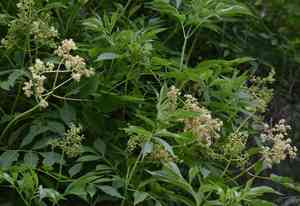
A deciduous shrub recognized for its fragrant flower clusters and fruit, north china red elder flourishes with appropriate trimming. Reduce its size by as much as one-third in late winter or early spring prior to the emergence of new shoots. Concentrate on eliminating impaired or congested branches to foster robust development and air movement. Trim to sculpt and manage its dimensions, ensuring precise cuts for rapid recovery. Consistent trimming additionally stimulates the generation of blossoms and berries, elevating its decorative and edible qualities.
What Are the Benefits of Pruning North China Red Elder?
What Are the Benefits of Pruning North China Red Elder?
Trimming north china red elder promotes vigorous development, ensuring a sturdy framework and encouraging fresh, healthy wood. Regular cutting helps maintain its desired shape, enhancing both the plant's aesthetic appeal and its overall vitality.
What Is the Best Time for Pruning North China Red Elder?
What Is the Best Time for Pruning North China Red Elder?
Pruning north china red elder in late winter or early spring is optimal while the plant is still dormant. This timing prevents excessive sap loss, which can occur in actively growing or flowering plants, reducing stress and potential for disease. It also allows north china red elder to recover from cuts before entering the rapid growth phase of spring. This schedule does not interfere with the blooming or fruiting periods, ensuring an abundant display in subsequent seasons.
What Tools Do I Need to Prune North China Red Elder?
Hand Pruners
For north china red elder, hand pruners are crucial for making clean cuts on small branches and stems. Since north china red elder can have relatively thin branches, a good pair of bypass pruners will provide precise and healthy cuts without crushing the plant tissue.
Loppers
When cutting thicker branches up to 1.5 inches in diameter, which may occasionally appear on north china red elder, loppers are the ideal choice. Their long handles provide the leverage needed for cutting through larger branches without straining the gardener's hands and arms.
Pruning Saw
North china red elder can develop even thicker branches that hand pruners and loppers cannot manage. A pruning saw is necessary for these situations to cut through branches over 1.5 inches thick. The saw should have a sharp blade to make clean cuts that promote quicker healing of the wood.
Shears
For shaping north china red elder and trimming multiple thin shoots or branches, especially when creating a hedge, a sharp pair of shears will allow for quick and efficient work while maintaining an even and aesthetically pleasing outline.
Pole Pruner
If north china red elder is tall and has branches out of reach, a pole pruner can be used for removing higher limbs without the need for a ladder, thus ensuring safer pruning practices.
How to Prune North China Red Elder
Clean and sharpen tools
Before pruning north china red elder, ensure all pruning tools are clean and sharp to make precise cuts and prevent potential disease transmission.
Sanitize tools
Sterilize pruning tools using alcohol or a 10% bleach solution to minimize the risk of spreading pathogens to north china red elder.
Remove dead branches
Carefully cut away any dead branches from north china red elder at their base, making sure not to damage the collar, which could hinder healing.
Cut diseased branches
Identify and prune out diseased branches of north china red elder, cutting well below the affected areas to remove all traces of disease.
Dispose of waste properly
After pruning north china red elder, dispose of any removed plant material responsibly to prevent the spread of disease, ideally by burning or discarding away from healthy plants.
Common Pruning Mistakes with North China Red Elder
Over-pruning
Removing too much foliage, which can stress north china red elder, leading to weak growth and reducing its ability to flower.
Under-pruning
Neglecting to prune or pruning too little, which may result in north china red elder becoming leggy and overgrown, decreasing air circulation and potentially increasing the risk of disease.
Not sanitizing tools
Failing to clean pruning tools before use on north china red elder, which can spread disease from plant to plant.
Improper cuts
Making jagged or angled cuts that can damage north china red elder's woody stems, hindering the plant's natural healing process.
Pruning the wrong branches
Cutting healthy, flowering branches instead of targeting old, non-productive ones can significantly reduce north china red elder's blooming potential.
Common Pruning Tips for North China Red Elder
Prune for shape
Selectively trim north china red elder to maintain its natural form and desired size, focusing on shaping rather than reducing size drastically.
Encourage new growth
Prune older stems to stimulate the production of new shoots, which will bear flowers on north china red elder.
Thin out
Remove some of the denser areas to improve light penetration and air flow within north china red elder, which promotes healthier growth and reduces disease occurrence.
Clean cuts
Make clean, straight cuts close to the node on north china red elder to promote better wound healing and to reduce the risk of disease.
Sequential rejuvenation
For a more extended approach, cut only one-third of the oldest stems each year for north china red elder, allowing for continuous renewal without stressing the plant.



