How to Prune Common sassafras?
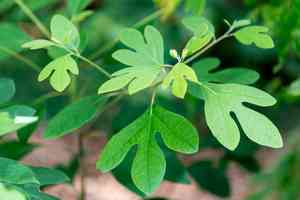
Recognized for its fragrant leaves and distinctive lobed foliage, Sassafras albidum thrives with judicious trimming to improve its form and stimulate robust development. Essential methods involve reducing dense branches and eliminating basal shoots or deceased wood. The ideal period for this activity is from late winter to early spring, while the plant is inactive, to reduce sap leakage and strain. Trimming this variety can also manage its dimensions and foster the creation of a sturdy, evenly proportioned structure. Always employ disinfected implements to avert the spread of pathogens.
Advantages of Trimming Common Sassafras
Advantages of Trimming Common Sassafras
Trimming common sassafras encourages robust development and maintains its desired shape. It's crucial for plant well-being, fostering a strong framework and preventing excessive density.
Optimal Time for Trimming Common Sassafras
Optimal Time for Trimming Common Sassafras
Late winter or early spring is ideal for trimming common sassafras as the plant remains dormant, reducing stress and the risk of disease entering cuts. This timing also allows for removal of winter damage before active growth. Furthermore, pruning before the spring growth spurt directs stored energy into new shoots and leaves from remaining buds, leading to a healthier, more vigorous plant. This schedule also avoids cutting off current year's flowers or fruit, as common sassafras blooms on new wood.
Required Tools for Trimming Common Sassafras
Hand Pruners
Perfect for making precise cuts on branches up to 3/4 inch in diameter, suitable for common sassafras's smaller branches and twigs.
Loppers
Essential for reaching higher branches and making accurate cuts on branches up to 2 inches in diameter. Common sassafras may have several branches of this size.
Pruning Saw
For mature common sassafras with branches exceeding 2 inches thick, a pruning saw ensures clean cuts without harming the tree.
Pole Pruner
To safely trim higher branches of common sassafras without a ladder, a pole pruner can be used for both cutting and sawing.
Pruning Shears
For shaping and refining smaller growths like young shoots and leaves of common sassafras, to maintain its appearance and promote healthy development.
How to Trim Common Sassafras
Step1: Sanitize Pruning Tools
Prepare Pruning Tools: Start by sterilizing sharp pruning shears or a pruning saw for larger branches. Clean tools minimize disease transmission to common sassafras.
Step2: Schedule Trimming Time
Timing: Plan to trim common sassafras during late winter to early spring when the tree is inactive. This timing helps prevent sap bleeding, which common sassafras is prone to, especially if pruned in late spring or summer.
Step3: Prioritize Safety
Safety First: Wear gloves and protective eyewear, and ensure safety if using ladders for elevated branches. Always consider the tree's growth and fall pattern for a safe work environment.
Step4: Remove Dead Wood
Remove Dead Wood: Begin trimming by removing dead wood, identifiable by its dry, brittle, and discolored appearance. Make cuts just above where healthy tissue starts. Use the pruning saw for larger branches and shears for smaller ones.
Step5: Eliminate Water Shoots
Prune Water Shoots: Identify water shoots, which are vigorous, upright growths typically emerging from the trunk or older branches. They do not contribute to common sassafras's form or fruit production. Prune them close to the base without leaving stubs to deter regrowth.
Step6: Excise Diseased Branches
Cut Diseased Branches: Locate and remove any branches showing signs of disease, such as unusual growth patterns, discolored leaves, or bark irregularities. Cut well into healthy tissue below the diseased parts and safely dispose of the removed material to prevent disease spread.
Step7: Shape Tree Form
Shaping common sassafras: Trim for shape only after removing all dead, diseased wood and water shoots. Aim to maintain common sassafras's natural form, lightly thinning dense areas to allow light and air penetration into the canopy, but avoid excessive removal of live branches.
Step8: Cleanup Plant Debris
Final Cleanup: After trimming, clear all removed plant material from around common sassafras to prevent potential disease or pest issues. Sterilize tools again after use to ensure readiness for the next trimming task.
Step9: Assess Tree Health Post-Truning
Monitor Tree Health: Over the next few weeks, observe common sassafras for signs of infection or stress from the trimming. Ensure common sassafras receives adequate water and care to support its recovery and new growth.
Post-Trimming Care for Common Sassafras
Post-Trimming Care for Common Sassafras
Immediately after trimming common sassafras, ensure clean cuts to aid healing. Optimal light and partial shade facilitate recovery, while stable humidity prevents stress. Maintain moderate temperatures; avoid extremes. Begin fertilization a month post-trimming with balanced nutrients to support regrowth. Regularly inspect for infection, indicated by wilting or discoloration. At signs of stress, adjust care and consult an expert if needed. Monitor and manage these conditions consistently for robust health.
Common Trimming Errors with Common Sassafras
Over-Trimming Reduces Plant Vitality
Trimming too aggressively can remove excessive foliage, potentially stressing common sassafras and diminishing its vigor.
Dull or Dirty Tools Harm Branches
Using dull or unsanitized trimming tools can damage common sassafras branches and introduce diseases.
Leaving Dead Wood Invites Disease
Neglecting to trim out dead or diseased wood may lead to further infection and compromise the overall health of common sassafras.
Improper Cutting Techniques Attract Pests
Making incorrect cuts, such as leaving stubs or flush cuts against the trunk, can create entry points for pests and pathogens.
Disregarding Natural Shape Affects Growth
Ignoring the natural form of common sassafras can result in a less aesthetically pleasing shape and may hinder its natural growth pattern.
General Trimming Advice for Common Sassafras
Clean, Sharp Cuts Promote Rapid Healing
Utilize sharp, clean trimming tools to make precise cuts that heal quickly and minimize stress to common sassafras.
Remove Only Dead or Diseased Limbs
Focus on removing dead, damaged, or diseased branches to help maintain the health and appearance of common sassafras.
Angle Cuts for Healthy Directional Growth
Cut at a slight angle above a bud or branch node to encourage healthy new growth in the desired direction.
Trim for Open Canopy and Good Airflow
Pay attention to the tree’s structure and trim to maintain an open canopy, allowing light to penetrate and air to circulate, reducing disease risk.
Preserve Branch Collar for Proper Healing
Ensure the branch collar remains intact when removing larger limbs to facilitate proper healing.
Enhance Natural Growth Habit with Trimming
Consider the tree's natural growth habit and trim in a way that enhances its form rather than working against it.



