How to Prune Dwarf umbrella tree?
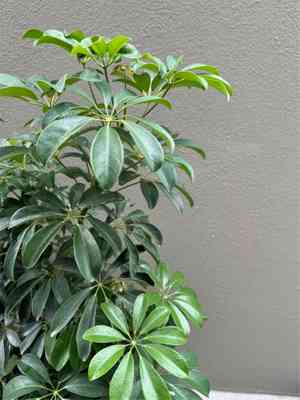
A tropical evergreen shrub, the dwarf umbrella tree is valued for its abundant leaves, which evoke a scaled-down tropical forest. To ensure peak vitality and visual appeal, the dwarf umbrella tree thrives with consistent trimming. Utilize pinch pruning techniques to foster more compact development, and eliminate elongated branches to preserve its structure. The most suitable period for pruning is during the winter season, in anticipation of spring's new growth. Trimming the dwarf umbrella tree enhances foliage generation and results in a fuller appearance, but refrain from severe cuts, as these could cause stress to the plant.
Advantages of Trimming Dwarf Umbrella Tree
Advantages of Trimming Dwarf Umbrella Tree
Trimming dwarf umbrella tree encourages vigorous development by reallocating energy to fewer branches, ensuring a more robust plant. It also maintains the desired form, preventing excessive growth and preserving its aesthetic appeal.
Optimal Time for Trimming Dwarf Umbrella Tree
Optimal Time for Trimming Dwarf Umbrella Tree
During winter, dwarf umbrella tree enters a dormant phase where its growth decelerates. This is the perfect period for pruning as the plant's sap levels are lower, which reduces stress and prevents excessive sap loss from cuts. Winter pruning allows dwarf umbrella tree to recover better and channel its energy into new spring growth. Furthermore, the plant's bare structure in winter offers a clearer view of which branches require trimming, ensuring a more accurate and beneficial pruning process.
Necessary Tools for Trimming Dwarf Umbrella Tree
Hand Pruners
For most routine trimming tasks on dwarf umbrella tree, hand pruners are indispensable. They provide accurate cuts and are ideal for removing small to medium-sized branches or stems. As dwarf umbrella tree often has relatively slender branches, hand pruners are sufficient for the job. It's best to choose bypass pruners, as they create cleaner cuts compared to anvil pruners, which can crush delicate stems.
Pruning Saws
When dealing with larger branches that hand pruners cannot manage â typically those thicker than half an inch â a pruning saw is the preferred tool for dwarf umbrella tree. Pruning saws come in various sizes and tooth configurations, but a small, sharp one will make clean cuts without excessive damage to the plant.
Pruning Shears
For shaping and maintaining the dense foliage of dwarf umbrella tree, pruning shears (or snips) are perfect. These are smaller and more agile than hand pruners and excellent for refining the plant's shape and removing any unwanted small growths.
Loppers
While not strictly essential for dwarf umbrella tree, loppers can be useful for reaching into denser growth or tackling branches that are slightly too large for hand pruners but too small for a saw. Opt for bypass loppers to ensure a clean cut.
How to Prune Dwarf Umbrella Tree
Step1: Disinfecting Cutting Tools
Disinfect your cutting tools before pruning dwarf umbrella tree to prevent the spread of diseases. Use rubbing alcohol or a solution of 1 part bleach to 9 parts water to clean the blades.
Step2: Pre-Pruning Hydration
Water dwarf umbrella tree thoroughly the day before you plan to prune to reduce stress on the plant and ensure it is well-hydrated.
Step3: Removing Dead Stems
Begin by removing any dead stems at their base. Make the cut right above where the dead tissue meets healthy growth, using a clean and sharp pair of pruning shears.
Step4: Trimming Yellow Leaves
Identify and trim off yellow leaves by cutting them off at the base where they meet the stem or a main branch, using sharp scissors or pruning shears, to improve the appearance and health of dwarf umbrella tree.
Step5: Shaping and Sizing
Prune overgrown stems to maintain the desired shape and size of dwarf umbrella tree. Make cuts just above a leaf node, where a leaf or branch is attached to the stem. Cut at a 45-degree angle to encourage new growth in the desired direction.
Step6: Thinning Dense Areas
Thin out any areas that are particularly dense to increase light penetration and air circulation. Remove some of the inner branches by making cuts at their point of origin.
Step7: Final Aesthetic Shaping
After trimming the specified parts, review the overall shape of dwarf umbrella tree and make any additional cuts for aesthetic shaping. Keep in mind to maintain a balanced look and avoid over-pruning.
Step8: Cleanup of Plant Debris
Clean up all the removed plant material from the area around dwarf umbrella tree to prevent any potential pest or disease issues.
Step9: Post-Pruning Watering
After pruning, water dwarf umbrella tree lightly to alleviate any stress and give it a boost to start healing and producing new growth.
Post-Pruning Care for Dwarf Umbrella Tree
Post-Pruning Care for Dwarf Umbrella Tree
Immediately after pruning dwarf umbrella tree, water thoroughly to reduce stress. Maintain indirect bright light, stable temperature (60-75°F), and moderate humidity. Avoid direct sunlight, which may scorch new growth. Begin fertilization with a balanced liquid fertilizer one month post-pruning to support regrowth, applying Quarterly in growing season. Monitor dwarf umbrella tree for wilted leaves or stem discoloration as indicators of stress or disease. If symptoms appear, isolate the plant and consult a specialist. Continue consistent care, ensuring proper drainage and avoiding overwatering to prevent root rot.
Common Pruning Mistakes with Dwarf Umbrella Tree
Damaging Plants with Dull Pruning Tools
Using dull or dirty pruning tools, which can cause damage to dwarf umbrella tree's stems and potentially introduce disease.
Over-Pruning in One Session
Pruning too much at once, which can stress dwarf umbrella tree and lead to poor growth or even the death of the plant.
Harmful Cuts Too Close to Main Stem
Cutting too close to the main stem, which can injure dwarf umbrella tree and hinder its natural healing process.
Unplanned Pruning Techniques
Pruning without a clear objective, potentially resulting in an undesirable shape or size for dwarf umbrella tree.
Neglecting Crossed Branches
Ignoring crossed or rubbing branches, which can create wounds and entry points for pests and diseases.
Common Pruning Tips for Dwarf Umbrella Tree
Use Sharp, Clean Tools for Healthy Cuts
Ensure pruning tools are sharp and clean to make precise cuts and minimize harm to dwarf umbrella tree.
Limit Pruning to One-Third of Foliage
Remove only about one-third of dwarf umbrella tree's total foliage during a single pruning session to prevent stress on the plant.
Proper Cutting Above Leaf Nodes for Regrowth
Make cuts on the stem about 1/4 inch above a healthy leaf node, ensuring proper healing and regrowth for dwarf umbrella tree.
Remove Dead or Diseased Limbs First
Start by removing any dead, damaged, or diseased limbs to maintain dwarf umbrella tree's health and vigor.
Prevent Damage by Pruning Crossed Branches
Regularly inspect dwarf umbrella tree for crossed or rubbing branches and remove them to prevent damage and maintain good air circulation within the plant.
Prune with Growth Shape in Mind
Consider the desired shape and size for dwarf umbrella tree before pruning, and execute cuts accordingly to guide its growth pattern.
Encourage Fuller Growth by Pruning Outward
Prune the outermost growth to encourage dwarf umbrella tree to become fuller and bushier rather than leggy.



