How to Prune Peruvian peppertree?
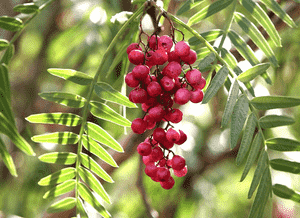
The Peruvian peppertree, frequently identified by its drooping silhouette and fragrant leaves, thrives with regular trimming to preserve its shape and vitality. Eliminate any deceased or compromised limbs and reduce crowded sections to enhance air movement. Perform pruning during its dormant winter period, focusing on elongated shoots to stimulate denser foliage. Consistent trimming can prevent pest outbreaks and foster vigorous development. Refrain from extensive cutting to avert undue strain on the tree.
What Are the Benefits of Pruning Peruvian Peppertree?
What Are the Benefits of Pruning Peruvian Peppertree?
Trimming peruvian peppertree promotes robust development and maintains its desired form. Thoughtfully removing branches enhances light penetration and air circulation, crucial for its vitality and appearance.
What Is the Best Time for Pruning Peruvian Peppertree?
What Is the Best Time for Pruning Peruvian Peppertree?
Winter is considered the ideal period for pruning peruvian peppertree due to several reasons. Firstly, during winter, peruvian peppertree's growth cycle slows as it enters dormancy, minimizing stress and potential harm to its health. Pruning in the dormant season also offers better visibility of the plant's structure, simplifying branch removal decisions. Additionally, pruning before the spring growth surge ensures rapid wound healing, lowering disease risk. Winter pruning also avoids cutting developing flower buds, which form in late winter to early spring, thus preserving flowering and fruiting.
What Tools Do I Need to Prune Peruvian Peppertree?
Hand Pruners
For trimming smaller branches and twigs on peruvian peppertree, hand pruners (also known as secateurs) are ideal. They should be used for diameters up to 1 inch. Clean cuts help prevent disease and promote healthy regrowth.
Lopping Shears
Lopping shears provide longer handles for leverage and are suitable for branches between 1 and 2 inches in diameter on peruvian peppertree. This tool allows you to prune branches without straining your back or arms.
Pruning Saw
For branches thicker than 2 inches, a pruning saw is necessary. Whether a straight or curved blade, it should have teeth that can handle the woodiness of peruvian peppertree's mature branches.
Pole Pruner
For reaching higher branches of peruvian peppertree, a pole pruner with a saw attachment is recommended. It ensures you can maintain the tree's shape and health without using a ladder.
Hedge Shears
For shaping the denser foliage and maintaining a neat appearance, hedge shears are effective. These are suitable for regular trimming of the small twigs and leaves on peruvian peppertree.
Gloves and Protective Gear
Safety gear, including gloves, is crucial to protect against the tree's potentially irritating sap and sharp tools during the pruning process of peruvian peppertree.
How to Prune Peruvian Peppertree
Step1: Plant Evaluation for Pruning
Assess peruvian peppertree for any signs of dead branches, diseased limbs, yellow leaves, or weak growth. Perform this evaluation in late winter to early spring, as peruvian peppertree is dormant during this period which is an ideal time to prune.
Step2: Tool Sterilization
Sterilize your pruning tools using a 10% bleach solution or rubbing alcohol to prevent the spread of diseases. Ensure that you have bypass pruners, loppers, or a pruning saw, depending on the thickness of the branches you intend to remove.
Step3: Dead Branch Removal
Start by removing dead branches. Make your cuts at a 45-degree angle about 1/4 inch above a healthy bud or node. Ensure that the cut allows water to run off the wound to minimize rot risks.
Step4: Trimming Diseased Limbs
Identify and trim diseased limbs. Cut the limb 6-12 inches below the diseased area to ensure that you remove all infected tissue. Avoid tearing the bark and dispose of the diseased material immediatelyâdo not compost it.
Step5: Yellow Leaf Removal
Remove yellow leaves by making clean cuts at the base of each affected leaf, taking care not to damage nearby healthy foliage. This encourages healthy growth by redirecting the plant's energy.
Step6: Weak Growth Pruning
Prune away weak growth, targeting thin, spindly branches that are unlikely to support the weight of new growth. Make crisp cuts on these weak branches where they intersect with stronger ones.
Step7: Canopy Thinning
Thin out the canopy by removing some of the interior branches. This increases light penetration and air circulation, reducing the risk of disease and promoting a healthier and more robust peruvian peppertree.
Step8: Selective Shaping
If shaping is required, trim the branches selectively to maintain the natural form of peruvian peppertree. Avoid excessive topping or over-pruning as it can lead to 'witchesâ brooming', where too many shoots try to regrow from the same area.
Step9: Post-Pruning Cleanup
After completion of pruning, clean up all the removed plant material from the base of peruvian peppertree to prevent potential re-infection or attract pests. Dispose of all debris properly.
Step10: Wound Dressing Application
Apply a wound dressing or sealant to large cuts to protect peruvian peppertree from disease and pests. However, for smaller cuts, it's better to let them heal naturally without any sealant.
Step11: Monitoring for Water Sprouts
Monitor peruvian peppertree after pruning for signs of water sprouts or suckers, which can be common after cutting. Prune these away promptly as they appear to ensure that the growth energy is directed into the desired branches.
Step12: Post-Pruning Care and Fertilization
Water peruvian peppertree adequately after pruning if the soil is dry, and apply a balanced fertilizer to support the plant's recovery and new growth. However, avoid overwatering as it can cause root problems.
Post-Pruning Care for Peruvian Peppertree
Post-Pruning Care for Peruvian Peppertree
Immediately after pruning peruvian peppertree, ensure clean cuts to aid fast healing. Place peruvian peppertree in a well-lit, temperate area, avoiding extreme temperatures. Maintain moderate humidity. Initiate a fertilization plan with balanced nutrients to support regrowth; however, avoid over-fertilization. Regularly inspect for signs of stress, such as wilt or discoloration. Should signs of infection appear, promptly apply an appropriate fungicide or insecticide. Monitor weekly, adjusting care as peruvian peppertree recovers and resumes growth.
Common Pruning Mistakes with Peruvian Peppertree
Excessive Pruning Reduces Flowering and Shocks Plant
Over-pruning, which can lead to reduced flowering, shock, or even harming peruvian peppertree's health by removing too much foliage at once.
Dirty or Dull Tools Lead to Disease and Pest Issues
Using dull or dirty tools that can damage peruvian peppertree's branches, creating jagged cuts that are more susceptible to disease and pest infestations.
Lack of Clear Pruning Objective Can Damage Plant
Pruning without a clear objective, resulting in an unbalanced or misshapen appearance and potential damage to the tree's structural integrity.
Ignoring Dead Branches Impacts Plant Health
Ignoring dead or diseased branches, which can impact peruvian peppertree's overall health and can spread decay or disease to other parts of the plant.
Improper Pruning Against Natural Growth Harms Beauty
Neglecting to consider peruvian peppertree's natural shape and growth habit, therefore cutting in a way that goes against its natural form and inhibits its inherent beauty and fullness.
Common Pruning Tips for Peruvian Peppertree
Sterilize Tools to Prevent Disease Spread in Plants
Sterilize all pruning tools before use to prevent the spread of diseases and clean them after pruning peruvian peppertree.
Sharp and Angled Cuts for Quick Healing and Health
Use sharp shears or saws to make clean, angled cuts that heal quickly and reduce the risk of disease for peruvian peppertree.
Remove Dead Wood for Plant Vigor and Aesthetics
Identify and remove any dead, diseased, or damaged branches, cutting back to healthy wood to maintain peruvian peppertree's vigor and aesthetic appeal.
Thinning for Light and Air Penetration Promotes Health
When thinning, focus on creating an open canopy that allows light and air to penetrate, which encourages healthy growth in peruvian peppertree.
Retain Natural Form by Correcting Crossing Branches
Maintain the natural, weeping shape of peruvian peppertree by removing any branches that cross or rub against each other, to avoid wounding and to retain peruvian peppertree's characteristic appearance.
Strategic Cuts Avoid Bark Tearing on Larger Branches
For the health of peruvian peppertree, avoid tearing the bark when removing larger branches by making a series of strategic cuts to reduce weight before making final cuts close to the trunk.
Direct New Growth with Outward Facing Cuts for Balance
Cut back to a lateral branch or bud that is outward facing to influence the direction of new growth in peruvian peppertree, fostering an aesthetically pleasing and balanced structure.



