How to Prune Little bluestem?
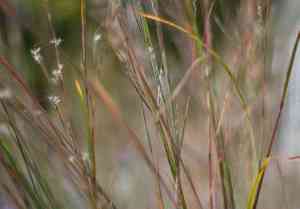
This thermophilic grass, prized for its erect habit and reddish-brown autumn hue, thrives with trimming to stimulate new development. Reduce little bluestem to a height of 2-3 inches in early spring prior to the appearance of new sprouts. An alternative trimming window is available during winter, guaranteeing the elimination of aged foliage before spring. Trimming during these periods revitalizes little bluestem, bolstering its hardiness and preserving its cascading shape. Refrain from making cuts late in the season, as this can impede spring growth and winter appeal.
What Are the Benefits of Pruning Little Bluestem?
What Are the Benefits of Pruning Little Bluestem?
Trimming little bluestem promotes strong, full development while preserving its attractive appearance. It eliminates old leaves, encouraging fresh, robust shoots that uphold the plant's inherent beauty and resilience.
What Is the Best Time for Pruning Little Bluestem?
What Is the Best Time for Pruning Little Bluestem?
Trimming little bluestem in early spring allows for the removal of any old, dead foliage and stimulates new growth as the plant emerges from dormancy. This timing aligns with the plant's natural growth cycle, leading to a healthier growth pattern and preparing it for the upcoming growing season. Winter pruning takes advantage of the plant's dormant state and is ideal for reshaping or reducing the plant's size without risking harm to new growth. It also minimizes the chance for disease to enter the pruned areas, as many pathogens are less active during this season. These periods ensure the plant will not be negatively affected by pruning and can recover quickly, maintaining its vitality and ability to thrive during its peak growing times.
What Tools Do I Need to Prune Little Bluestem?
Hand Pruners
Essential for cutting through stems and old flower stalks of little bluestem, these tools offer precision and are perfect for maintaining the plant's shape.
Grass Shears
Useful for trimming and shaping little bluestem without harming the plant, as they allow for careful snipping around desired growth areas.
Gloves
Protective wear to prevent cuts or skin irritation while handling little bluestem during the pruning process, considering that grasses can have sharp edges.
Long-handled Loppers
Recommended for reaching deeper into or higher up on little bluestem to prune thicker, woodier stems that hand pruners cannot easily cut through.
Garden Rake
After pruning little bluestem, a rake helps gather and remove the cut material from around the base of the plant, promoting healthy growth and reducing disease risk.
How to Prune Little Bluestem
Step1: Optimal Winter Pruning Schedule
Timing: Plan the pruning of little bluestem during late winter to very early spring, before new growth starts but after the harshest winter weather has passed. This helps preserve the plant's winter appeal and protect it from cold damage.
Step2: Pruning Tool Preparation
Preparation: Clean and sharpen your pruning tools to ensure precise cuts and minimize the risk of disease transmission between plants. Suitable tools for pruning little bluestem include hand pruners or shears for smaller clumps and loppers or a small saw for larger, thicker stalks. Wear gloves to protect your hands.
Step3: Old Growth Identification
Identifying Old Stalks: Check little bluestem for old, brown stalks from the previous growing season. These should be distinguished from any new green growth that may be emerging at the base of the plant.
Step4: Precise Old Stalks Cutting
Cutting Old Stalks: Using your pruning tools, cut the old stalks at a height of approximately 3 to 4 inches above the ground. Make the cuts clean and straight to promote healthy regrowth. Be careful not to damage the new green shoots.
Step5: Seed Head Removal from Stalks
Removing Dry Seed Heads: Locate the dry seed heads at the top of the old stalks. As you prune the old stalks, the dry seed heads will be removed along with them. If any seed heads remain on shorter stalks, prune them individually, leaving a small amount of stalk below the head.
Step6: Clump Density Reduction Thinning
Thinning: If the clump of little bluestem appears dense and congested, thin it out by removing some of the individual stalks from within the clump. This increases air circulation, which can reduce the risk of fungal diseases and encourages vigorous growth.
Step7: Selective Growth Shaping
Shaping: After removing the old growth, examine the overall form of little bluestem. If it needs shaping for design purposes or to create a more uniform appearance, selectively prune any irregularly long or out-of-place stalks to maintain the natural, upright form of little bluestem.
Step8: Pruning Debris Cleanup
Cleanup: Gather all the pruned material and remove it from the area to discourage pests and disease. Compost the healthy plant debris unless it shows signs of disease or pest infestation.
Step9: Plant Care after Pruning
Post-Pruning Care: Water little bluestem if the soil is dry and apply a layer of mulch around but not touching the base to conserve moisture and suppress weeds. Resource: Missouri Botanical Garden
Post-Pruning Care for Little Bluestem
Post-Pruning Care for Little Bluestem
Immediately after trimming little bluestem, ensure sufficient water to aid recovery, avoiding over-saturation. Provide full sun exposure and maintain a stable temperatureâwarm but not scorching. Adjust humidity to moderate levels, suitable for the plant's natural environment. Apply a balanced fertilizer to replenish nutrients; however, be cautious of over-fertilization. Regularly inspect little bluestem for signs of stress, such as discolored leaves or stunted growth. Should any symptoms of infection appear, apply appropriate fungicides or insect repellent according to specific issues.
Common Pruning Mistakes with Little Bluestem
Overly Aggressive Pruning
Trimming too aggressively, which can lead to reduced vigor and a less aesthetically pleasing shape for little bluestem.
Green Growth Season Cutting
Cutting into the green, living parts of little bluestem during the growing season, which can stress the plant and lead to undesired growth patterns.
Using Dull or Dirty Tools
Using dull or dirty pruning tools, which can damage little bluestem's stems and potentially introduce diseases to the plant.
Ignoring Natural Growth Habit
Pruning without understanding the natural growth habit of little bluestem, thus inhibiting its natural form and affecting its overall health.
Common Pruning Tips for Little Bluestem
Clean and Sharp Tool Use
Utilize sharp, clean pruning shears to make precise cuts, preventing damage and disease to little bluestem.
Remove Dead or Damaged Foliage
Focus on removing dead or damaged foliage, which will help little bluestem maintain healthy growth and improve air circulation.
Thinning for Growth and Form
Thin out dense clumps to promote new growth and to maintain the plant's attractive natural form.
Maintain Natural Plant Shape
Aim to maintain the plant's natural shape, gently shaping little bluestem if needed, rather than forcing it into an unnatural form.
Light Pruning for Health and Aesthetics
Prune lightly, as little bluestem doesn't require heavy pruning and doing so could impair its natural beauty and flowering potential.



